You notice dry, flaky patches on your palms or the bottoms of your feet. Maybe the skin between your fingers starts to crack.
It’s annoying, sometimes uncomfortable, and you want answers about what’s going on with your body.
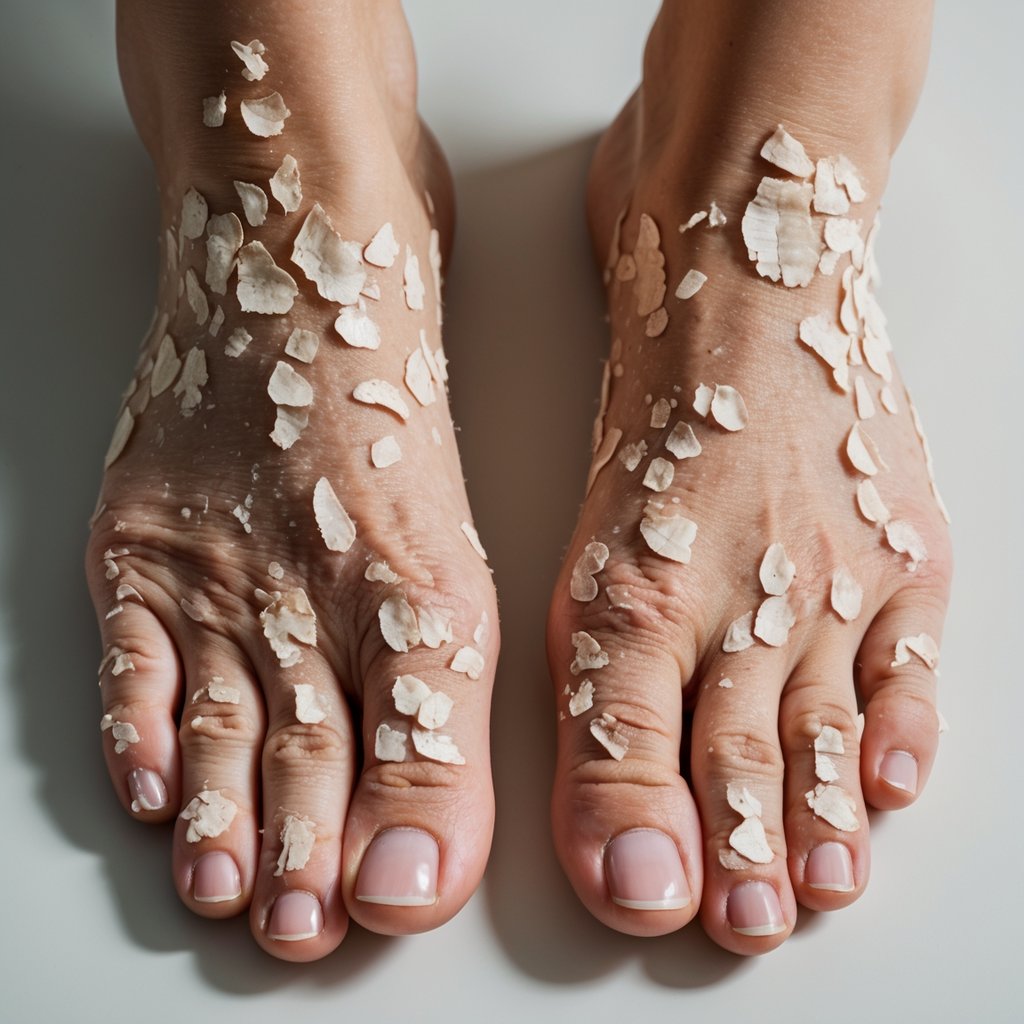
Peeling hands and feet occur when the outer layer of your skin sheds due to dryness, irritation, fungal infections, or conditions like eczema and psoriasis. Most cases can be managed at home with the right approach.
Understanding why your skin peels is the first step toward relief. This article explores common causes, diagnosis, treatments, prevention, and warning signs that require medical attention.
What Is Peeling Hands and Feet?
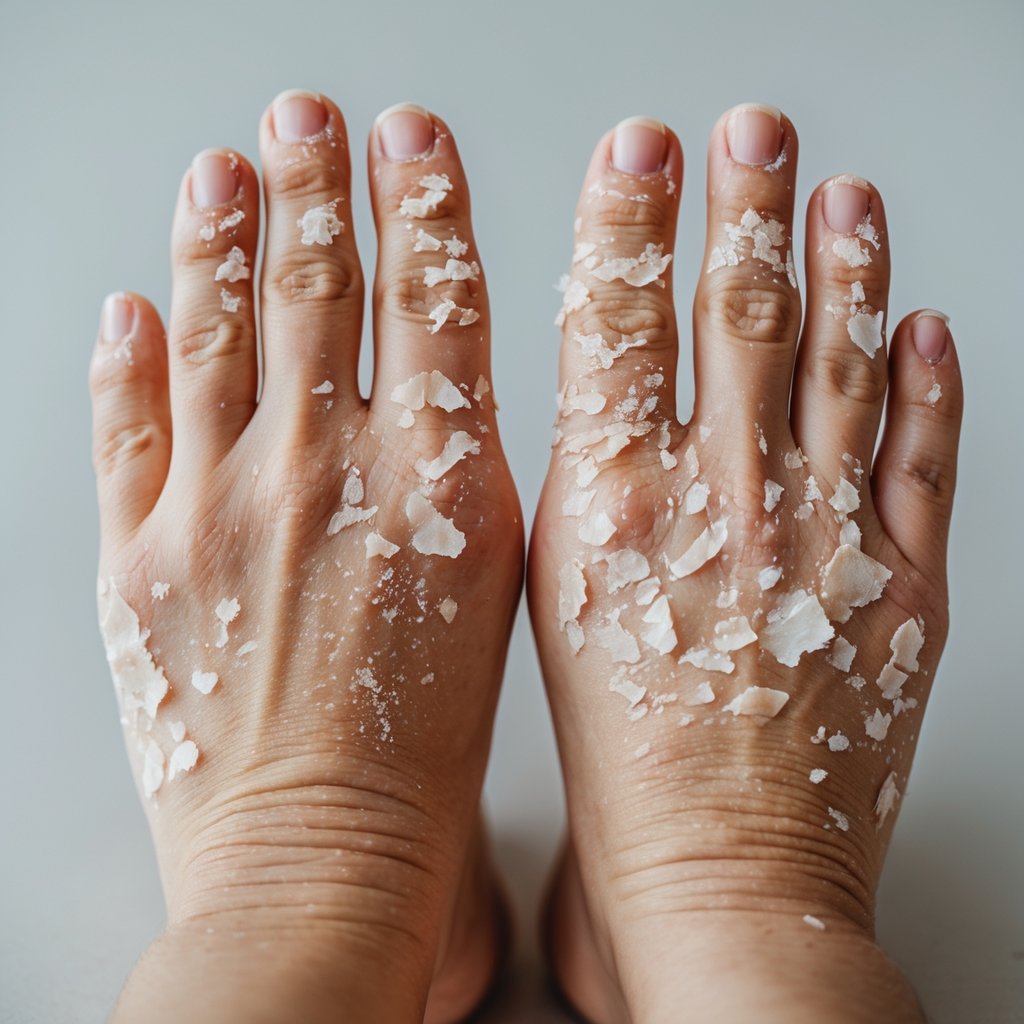
Peeling hands and feet happen when the outer skin layer sheds or flakes off. This can range from minor dry patches to larger areas of skin separating from the layers underneath.
Peeling skin occurs when your body sheds dead skin cells faster than normal. Your skin naturally replaces itself every few weeks, but some factors speed up this process.
Hands and feet have thicker skin and endure more stress and contact than other body parts. You might notice small flakes, dry patches, areas that look white or translucent before peeling, or skin that feels tight or uncomfortable.
Peeling feet often start between the toes or on the soles. Peeling hands typically begin on the palms or fingertips.
Your skin barrier acts as your first defense against the outside world. When this barrier is damaged, peeling can result.
How Skin Peels on Hands and Feet
The peeling process starts in the outer skin layer, the epidermis. Disruptions to your skin’s normal cycle cause cells to separate instead of shedding gradually.
Common triggers include moisture problems, friction, temperature changes, and chemical exposure. Hands and feet face daily wear, frequent washing, and long hours in shoes or gloves.
The skin may peel in thin layers that look like tissue paper or in thicker pieces. Sometimes the new skin underneath appears red or sensitive.
When to Worry About Peeling
Most peeling resolves on its own or with basic care. Contact a healthcare provider if you notice peeling lasting more than two weeks, pain, swelling, pus, fever, black skin patches, or difficulty using your hands or feet.
Severe peeling might signal infection, allergic reaction, or an underlying health condition. People with diabetes should treat any foot problems as urgent.
Common Causes of Peeling Hands and Feet
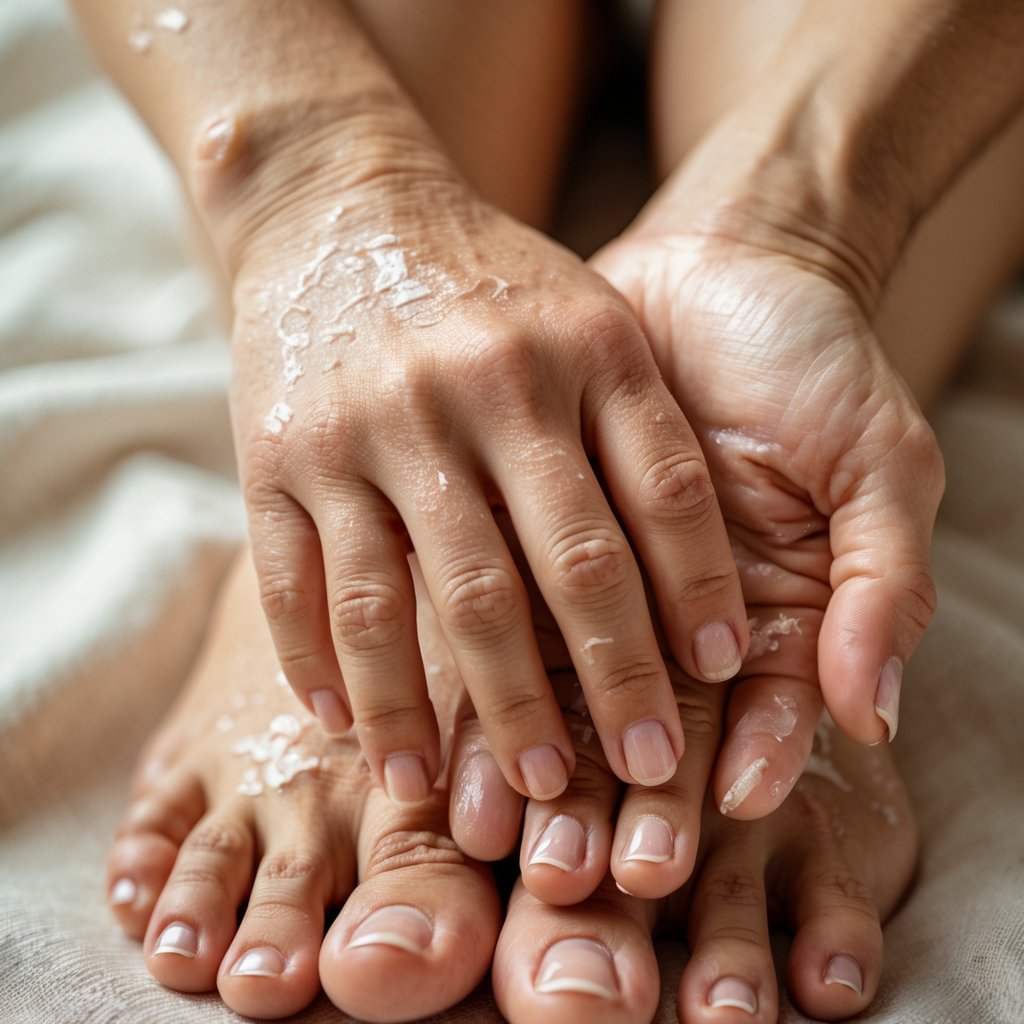
Hands and feet peel for reasons ranging from dryness to reactions from daily products. These areas face constant exposure to environmental stressors, chemicals, and physical wear.
Dry Skin and Environmental Factors
Dry skin is the most common reason for peeling hands and feet. When your skin loses moisture faster than it can replace it, the outer layer becomes brittle and flakes off.
Cold weather, low humidity, and indoor heating pull moisture from your skin. Excessive hand washing, prolonged water exposure, wind, and air conditioning can also trigger dryness.
Sunburn causes peeling several days after exposure as damaged skin cells die and shed. Hands are especially vulnerable since sunscreen is often overlooked.
Irritants and Allergic Reactions
Contact dermatitis develops when your skin reacts to substances it touches. This can be from direct damage (irritant contact dermatitis) or an immune response (allergic contact dermatitis).
Hand sanitizer, with its high alcohol content, strips away natural oils. Frequent use by healthcare and food service workers makes this a common issue.
Harsh soaps, detergents, cleaning products, solvents, and industrial chemicals are typical irritants. Allergic reactions are often triggered by nickel in jewelry, fragrances, or preservatives in cosmetics, with peeling appearing a day or two after contact.
Friction and Sweating
Physical friction damages the skin’s surface. Athletes often experience peeling feet from repetitive motion inside shoes; hands can peel from gripping tools or equipment.
Hyperhidrosis, or excessive sweating, softens skin and makes it more vulnerable to damage. The combination of sweat and friction accelerates the breakdown of the outer skin layer.
Medical Conditions Behind Peeling Skin
Several medical conditions can make the skin on your hands and feet peel repeatedly. These range from inflammatory disorders like eczema to fungal infections and rare genetic conditions.
Eczema and Dermatitis Types
Eczema causes red, itchy patches that can lead to peeling skin. It damages the skin’s protective barrier, resulting in dryness and flaking.
Atopic dermatitis is the most common type and often starts in childhood. Your hands may develop small blisters that eventually peel.
Contact dermatitis happens when your skin touches something irritating or allergenic, such as harsh soaps, cleaning products, latex gloves, or nickel. Hand dermatitis specifically affects palms and fingers, especially in people who wash hands or use chemicals frequently.
Psoriasis on Hands and Feet
Psoriasis is an autoimmune condition that speeds up skin cell growth. New cells pile up, creating thick, scaly patches.
Palmoplantar psoriasis targets palms and soles, causing red plaques covered with silvery scales. These patches often crack and peel, making daily tasks painful.
The scales are typically thicker and more defined than other skin conditions. They may look white or silver before flaking off.
Fungal Infections
Fungal infections are a common cause of peeling skin on hands and feet. These organisms thrive in warm, moist environments.
Athlete’s foot (tinea pedis) usually starts between the toes, causing itching, burning, and peeling. Tinea manuum is the same infection on the hands, often affecting just one hand.
Both infections spread easily through direct contact or contaminated surfaces like locker rooms and public showers. The fungus eats away at the outer skin layer, causing it to peel.
Genetic Skin Disorders
Some rare genetic conditions cause ongoing skin peeling. These disorders affect how skin cells stick together or shed.
Acral peeling skin syndrome causes painless peeling of the top skin layer on hands and feet, often worsening with heat, humidity, or water exposure.
Peeling skin syndrome can affect just your extremities or your entire body. It’s caused by gene mutations that control skin cell connections.
Keratolysis exfoliativa causes small air-filled blisters on palms and sometimes soles. These burst and peel, leaving circular areas of peeling skin.
Other Causes: Infections and Systemic Disease
Sometimes peeling hands and feet signal something more serious than dry skin or irritation. Certain bacterial infections and systemic illnesses can trigger skin peeling.
Bacterial Infections
Scarlet fever is a primary bacterial cause of peeling skin. It develops when group A streptococcus bacteria produce toxins, usually starting with fever and sore throat, followed by a red rash.
Peeling happens 7 to 10 days after the rash appears, especially on palms and soles. Doctors treat scarlet fever with oral antibiotics.
Impetigo can cause localized peeling, creating honey-colored crusts that eventually peel away. Kids are more commonly affected.
Toxic shock syndrome (TSS) is a medical emergency that can include skin peeling. It occurs when certain bacteria release toxins into the bloodstream, with peeling typically affecting palms and soles 1-2 weeks after illness onset.
Serious Illness Triggers
Kawasaki disease primarily affects children under five and causes inflammation throughout blood vessels. Peeling skin on hands and feet usually starts around the fingertips and toes during the second or third week.
Other symptoms include high fever, red eyes, swollen lymph nodes, and a bright red tongue. Kawasaki disease is treated with intravenous immunoglobulin and aspirin.
Severe systemic infections like sepsis can also lead to peeling as the body recovers. Inflammatory responses may damage small blood vessels in the skin, leading to shedding.
Diagnosis of Peeling Hands and Feet
Your doctor will examine your skin closely and may order specific tests to determine the cause of peeling. The goal is to rule out infections, allergies, and rare genetic conditions that require different treatments.
Clinical Examination
Your doctor begins by closely inspecting your hands and feet. They assess where the peeling occurs and its pattern.
Peeling between your toes or on one hand often points to tinea manuum, a fungal infection. Scaling in a ring or isolated to one palm is a telltale sign.
Redness, itching, or cracked skin also provide important clues. Your doctor will ask about symptoms and recent changes.
Questions about your daily activities help identify contact dermatitis. Frequent handwashing or exposure to chemicals and water can damage your skin barrier.
Timing matters, too. Your doctor will ask when the peeling started and if it recurs.
Family history is important, especially for rare conditions like peeling skin syndrome, which usually begins in childhood.
The texture of peeling skin is another clue. Thin, easily shed layers may indicate one diagnosis, while thick, scaly patches suggest another.
Laboratory and Patch Testing
Your doctor may scrape a small sample of skin to check for fungal infections. The sample is examined under a microscope or grown in a culture.
Patch testing helps identify allergies causing contact dermatitis. Small amounts of common allergens are placed on your back with patches.
You wear these patches for 48 hours, then return for a reading. Red, itchy spots reveal your triggers.
A skin biopsy may be needed for unusual or persistent cases. A tiny piece of skin is examined under a microscope to confirm rare conditions or rule out serious disease.
Blood tests are rarely necessary unless an underlying health problem is suspected.
Effective Treatments and Home Care
Treating peeling hands and feet means using moisturizers, targeted medications, and infection-specific therapies. The solution depends on the cause.
Moisturizers and Barrier Creams
A good moisturizer is your first defense. Apply thick creams or ointments with glycerin, hyaluronic acid, or ceramides after washing.
Petroleum jelly creates a barrier that seals in moisture, especially helpful at night with cotton gloves or socks.
Hand creams with urea or lactic acid help with very dry, flaky skin by moisturizing and gently removing dead skin cells.
Keep a moisturizing cream at every sink and use it after each wash.
Natural options like coconut oil and raw honey can soothe skin. Coconut oil fights inflammation, while honey locks in moisture and has antibacterial properties.
Prescription Medications
If over-the-counter products fail, your doctor may prescribe stronger medications. Corticosteroid creams or ointments quickly reduce inflammation and itching during flare-ups.
For severe psoriasis, your dermatologist might recommend acitretin, an oral medication that slows rapid skin cell growth.
Prescription-strength moisturizers contain higher concentrations of active ingredients for stubborn eczema or chronic hand dermatitis.
Fungal and Bacterial Treatments
Antifungal creams or oral medications treat skin peeling caused by fungal infections. Athlete’s foot can spread to the hands, causing red, peeling patches.
Mild cases respond to over-the-counter antifungals, but persistent infections may need prescription treatments.
Bacterial infections require antibiotics. Topical creams work for minor issues; oral antibiotics are used for more severe cases.
Keep affected areas clean and dry. Moisture encourages fungi and bacteria, so change socks often and avoid damp gloves.
Tips to Prevent Peeling Skin
Most peeling can be prevented with the right habits. Protect your skin barrier by moisturizing, avoiding irritants, and managing sun and moisture exposure.
Daily Routines and Products
Handwashing technique is key. Use lukewarm water, not hot, and gentle, fragrance-free soaps.
Apply moisturizer while skin is still damp to lock in moisture.
Choose products with:
- Petrolatum or mineral oil
- Ceramides
- No fragrances or dyes
- No alcohol
Hand sanitizers dry out skin due to alcohol. Moisturize right after using them, or wash with soap and water when possible.
Apply a thick layer of petroleum jelly or emollient cream before bed. Cotton gloves overnight can boost absorption.
Protecting Against Irritants
Wear rubber gloves when handling cleaning products or chemicals to protect your skin barrier.
Check personal care products for irritants. Fragrances in soaps, shampoos, and lotions commonly cause reactions. Switch to unscented versions if you notice peeling.
Certain jobs, like hairdressing or healthcare, increase exposure to irritants. Reapply barrier cream throughout your shift.
Common irritants to avoid:
- Scented soaps
- Alcohol-based products
- Strong detergents
- Nickel in jewelry
Avoid overwashing, as it removes protective oils. Wash only as needed and always moisturize after.
Sun and Moisture Management
Sunscreen protects your hands as well as your face. Apply SPF 30 or higher to the backs of your hands daily, reapplying every two hours when outdoors.
Cold winter air dries out skin. Increase moisturizing during colder months.
Hot, humid weather can irritate sweaty hands. Use a light, non-greasy moisturizer in summer and keep hands dry.
Stay hydrated by drinking enough water—aim for eight glasses daily to support your skin barrier.
When to See a Healthcare Professional
Most cases of peeling hands and feet improve with home care, but certain warning signs require medical attention.
Signs of Serious Conditions
See a doctor if peeling skin is accompanied by fever, severe pain, or infection signs like spreading redness, warmth, pus, or worsening swelling.
Blisters filled with fluid before peeling may indicate dermatitis or eczema needing prescription treatment. Rapidly spreading or extensive peeling should also be evaluated.
Psoriasis causes thick, scaly patches and may require a specialized treatment plan.
Urgent symptoms to watch for:
- Difficulty breathing or swallowing
- Facial swelling
- Severe itching disrupting sleep
- Open sores or cracks that bleed
- Yellow or green discharge
Persistent or Worsening Symptoms
If your hands and feet keep peeling for more than two weeks despite using moisturizer, schedule an appointment with your doctor.
Peeling that returns repeatedly might signal an underlying skin condition or allergy that needs professional diagnosis.
Symptoms that worsen over time, such as deep cracks, increasing pain, or peeling that spreads to other body parts, also warrant medical evaluation.
A healthcare professional can run tests to identify triggers like contact allergies, fungal infections, or chronic conditions such as eczema.
They may prescribe stronger treatments than over-the-counter options, including medicated creams or oral medications.
See a doctor if peeling interferes with your daily activities or causes significant discomfort.