
Itchy swollen feet can make every step uncomfortable and disrupt your daily routine. The combination of swelling and itching often points to an underlying issue that needs attention.
You might notice your feet feel tight in your shoes, your skin looks red or puffy, or you can’t stop scratching.

Itchy swollen feet can result from many causes, including skin conditions like eczema and athlete’s foot, circulation problems, allergies, injuries, or serious health issues like kidney disease and diabetes. Some causes are minor and easy to fix at home, while others need medical care to prevent complications.
What Are Itchy Swollen Feet?
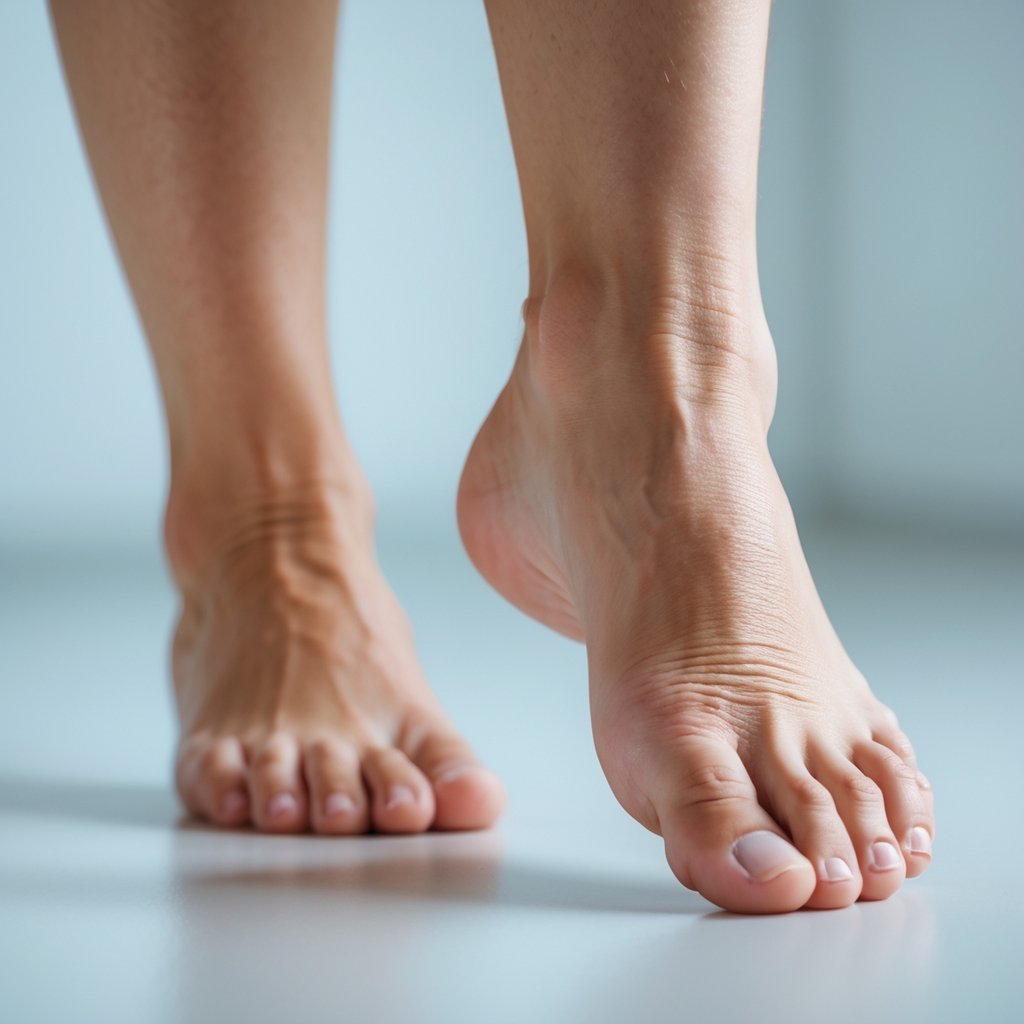
Itchy swollen feet happen when your feet enlarge and develop persistent itching at the same time. This double problem affects the skin, blood vessels, and sometimes the nerves in your feet.
Signs and Symptoms
Your feet might look puffy or feel tight in your shoes. Swelling usually appears around your ankles, on top of your feet, or around your toes.
When you press on the swollen area, it may leave a dent that stays for a few seconds. The itching can range from mild to severe.
You might notice red or discolored patches, dry or peeling skin, small bumps or blisters, burning or tingling, or raw skin from scratching. Some people find the itching gets worse at night, while others feel it all day.
Affected areas might feel warm to the touch or appear shiny and stretched.
How Swelling and Itching Occur Together
Swelling happens when fluid builds up in your feet’s tissues. Blood vessels leak fluid when they’re damaged, inflamed, or under extra pressure.
This fluid accumulation stretches your skin, which triggers itch receptors. Several conditions cause both symptoms at once.
Eczema creates inflammation that leads to swelling and intense itching. Poor circulation makes blood pool in your feet, causing swelling that irritates your skin.
Kidney or liver disease causes waste products to build up in your blood, leading to fluid retention and nerve irritation. Allergic reactions can trigger your immune system to release chemicals that cause blood vessels to leak and activate itch signals.
Infections like athlete’s foot create inflammation, resulting in both swelling and persistent itching.
Common Causes of Itchy Swollen Feet
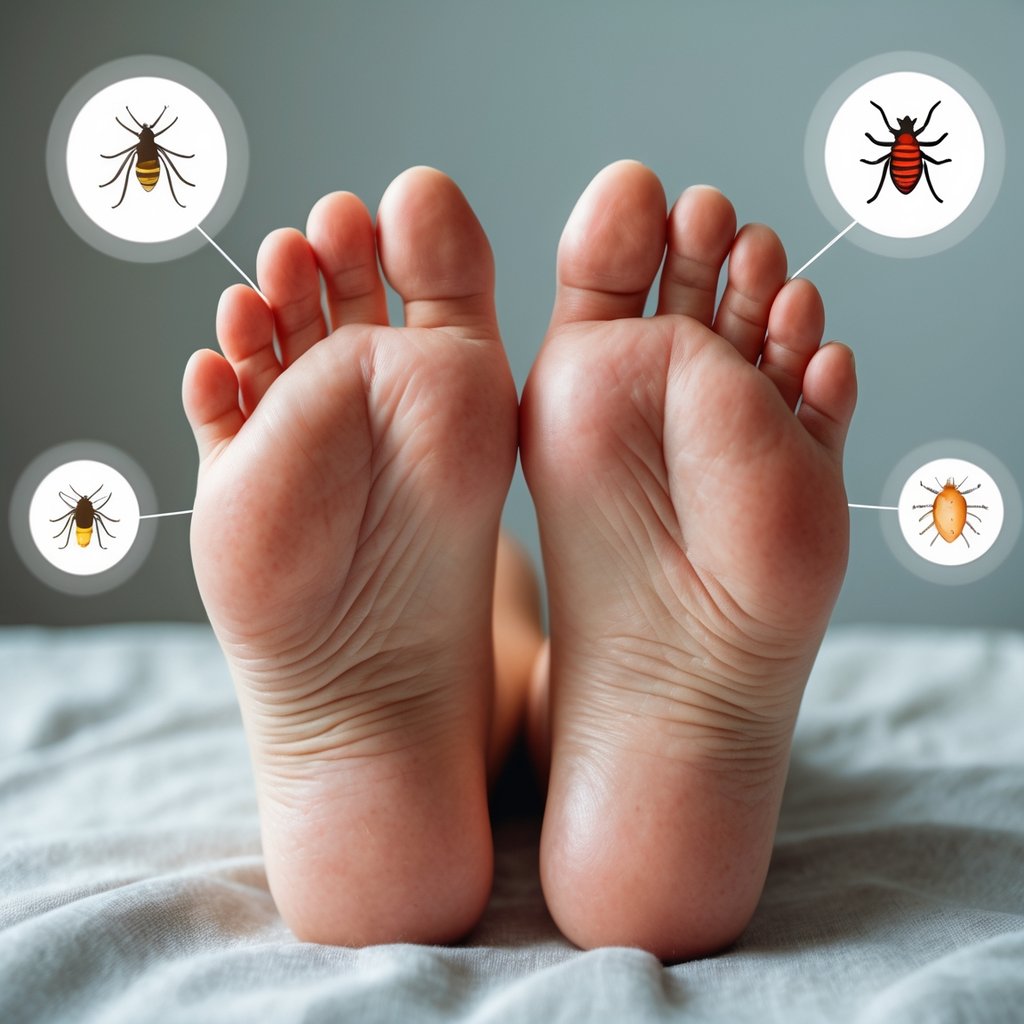
Your feet can become itchy and swollen due to fluid buildup, infections, allergic reactions, or environmental factors like hot weather. Each cause creates different symptoms and requires its own treatment approach.
Edema and Fluid Retention
Edema happens when fluid gets trapped in your body’s tissues. This condition commonly affects your feet and ankles, making them swell and sometimes itch.
Skin over the swollen area may look shiny and stretched. When you press on the skin, it stays dimpled for a few seconds.
Common causes of edema include standing or sitting for long periods, eating too much salt, being overweight, taking certain medications, or pregnancy. Hot weather can also make your veins expand, causing fluid to leak into surrounding tissue.
Mild edema can often be managed by elevating your feet, wearing support stockings, reducing salt intake, and staying active. If the swelling doesn’t improve or keeps coming back, see a doctor, as edema can signal serious conditions like heart, kidney, or liver disease.
Skin Conditions and Infections
Athlete’s foot (tinea pedis) is a common reason for itchy, swollen feet. This fungal infection thrives in warm, moist environments like sweaty shoes and public showers.
It causes redness, cracking between the toes, intense itching, and sometimes blisters or peeling skin. Swelling can develop if the infection worsens or spreads.
Cellulitis is a bacterial infection that causes redness, warmth, swelling, and pain, and may be accompanied by fever. Dyshidrotic eczema creates small, itchy blisters on your feet and hands, causing swelling and discomfort.
People with diabetes face higher risks of foot infections and should check their feet daily for blisters, sores, or changes.
Most fungal infections respond to over-the-counter antifungal creams. Bacterial infections like cellulitis need antibiotics from your doctor. Good foot hygiene—keeping feet clean and dry, changing socks regularly, and wearing breathable shoes—prevents many problems.
Allergic Reactions and Contact Dermatitis
Contact dermatitis develops when your skin touches something irritating or triggers an allergy. Feet are exposed to many potential irritants daily.
Common triggers include shoe materials, laundry detergent residue, soaps and lotions, nickel in shoe buckles, and chemicals in flooring.
The reaction causes red, itchy, swollen skin where contact occurred. You might see small bumps or blisters, and the itching can be intense.
Repeated exposure can lead to dry, cracked skin. Dry skin itself can cause itching, which worsens when combined with swelling from an allergic reaction.
To identify the cause, consider any new products or shoes you’ve started using. Stop using suspected items and see if symptoms improve.
Treatment involves avoiding the trigger, using moisturizers, topical corticosteroid creams to reduce inflammation, and antihistamines to control allergic reactions.
Environmental and Lifestyle Factors
Temperature extremes affect your feet in different ways. Hot weather causes blood vessels to expand, leading to fluid pooling and skin stretching, which can make feet itchy.
Chilblains occur when your feet get cold and then warm up too quickly, causing red, swollen, itchy patches on toes and feet. The condition is painful and itching worsens as the area warms.
Wearing tight shoes restricts circulation and traps moisture, increasing the risk of swelling and fungal growth. Synthetic socks don’t let your feet breathe.
Alcohol can make your body retain water, and persistent swelling after drinking may signal liver problems. Long flights or car rides cause temporary swelling due to lack of movement.
Prevent issues by drinking plenty of water, wearing well-fitting shoes with good ventilation, taking breaks to move during long periods of sitting, choosing natural fiber socks, and protecting your feet from extreme temperatures.
Simple changes to your routine often resolve minor swelling and itching. Persistent symptoms need medical evaluation to rule out underlying health conditions.
Medical Conditions Linked to Itchy Swollen Feet
Several serious health conditions can cause both itching and swelling in your feet. Diabetes, problems with leg veins, and blood clots are among the most common medical causes that require proper diagnosis and treatment.
Diabetes and Neuropathy
High blood sugar from diabetes can damage nerves, often starting in your feet. This nerve damage, called diabetic neuropathy, causes intense itching—especially on the soles—that scratching can’t relieve.
Diabetes also affects blood flow to your feet, leading to fluid buildup and swelling. This combination of nerve damage and poor circulation creates both itching and swelling.
Common symptoms include tingling, burning, sharp pains, numbness, and oversensitivity to touch. Keeping your blood sugar in a healthy range is crucial, and your doctor may prescribe topical creams to manage itching.
Venous Insufficiency and Varicose Veins
Venous insufficiency occurs when valves in your leg veins stop working properly, allowing blood to pool in your lower legs and feet. This increases pressure, forcing fluid out of blood vessels and causing swelling.
The swelling often worsens as the day goes on. Chronic venous insufficiency also causes skin changes and intense itching, with possible brownish patches around your ankles.
Varicose veins are a visible sign—bulging, twisted, blue or purple veins that often ache. Treatment options include compression socks, elevating your feet, staying active, or medical procedures for severe cases.
Deep Vein Thrombosis and Blood Clots
Deep vein thrombosis (DVT) is a blood clot in a deep vein, usually in your leg, and is a medical emergency. The clot blocks blood flow, causing sudden swelling, warmth, and redness or discoloration—usually in one leg.
DVT can cause itching due to irritation from blocked blood flow. Warning signs include sudden swelling in one leg, pain or tenderness, warmth, and skin color changes.
DVT is dangerous because the clot can travel to your lungs, causing a life-threatening pulmonary embolism. Risk factors include long periods of sitting, recent surgery, pregnancy, and certain medications.
Pregnancy and Itchy Swollen Feet
Feet often swell and itch during pregnancy due to normal body changes, but some symptoms need medical attention. Knowing the difference is key.
Normal Changes During Pregnancy
Your body holds onto more fluid during pregnancy, causing feet and ankles to swell, especially in the third trimester. The growing baby puts pressure on blood vessels, slowing blood flow back to your heart.
Hormonal changes can make your skin dry and itchy. Your feet might itch due to dry skin, increased blood flow, stretching skin, or more sweating.
Swollen ankles get worse after standing or in hot weather, and usually improve with rest and elevation. Itching often feels worse at bedtime, when your body temperature rises and distractions fade.
When to Worry: Preeclampsia and Pruritis Gravidarum
Some causes of itchy, swollen feet demand urgent medical attention. Preeclampsia is a serious pregnancy complication that causes sudden swelling in your face, hands, and feet.
You might also experience high blood pressure, headaches, or vision changes. Left untreated, preeclampsia can endanger both you and your baby.
Pruritus gravidarum (also known as cholestasis of pregnancy) leads to severe itching—often without a rash. The itching typically starts on your palms and soles.
This condition occurs when your liver struggles to move bile, causing bile salts to build up under your skin. You may notice intense nighttime itching, dark urine, pale or grey stools, yellowing of the skin or eyes (jaundice), or pain on your right side.
Contact your doctor immediately if you have severe itching with swelling, especially after 20 weeks of pregnancy. Blood tests can check your liver function and confirm the diagnosis.
Medications and Side Effects
Certain medications can trigger swelling and itching in your feet as side effects. These reactions may result from how drugs affect fluid balance or immune responses.
Drugs That Can Cause Swelling or Itching
Blood pressure medications are common culprits. Calcium channel blockers like amlodipine cause foot and ankle swelling in nearly half of users.
Other blood pressure drugs associated with swelling include beta blockers, clonidine, hydralazine, minoxidil, and methyldopa.
Hormone medications—such as birth control pills, estrogen, progesterone, testosterone, and corticosteroids—can also lead to fluid retention in your feet.
Some nerve pain medications, including gabapentin and pregabalin, are known for causing swelling. Diabetes drugs like pioglitazone and certain antidepressants can have similar effects.
Even over-the-counter NSAIDs (non-steroidal anti-inflammatory drugs) may cause swelling for some people. Common pain relievers are not always as harmless as they seem.
Itching can occur as a separate medication side effect. Drug rashes and hives may develop on your feet, sometimes with swelling beneath the skin.
Managing Adverse Reactions
Alert your doctor if you notice new swelling or itching after starting a medication. They can determine if your symptoms are drug-related or due to another cause.
Your doctor might lower your dose or switch you to a different medication. Often, changing the drug resolves the swelling and itching.
Elevating your feet can help reduce swelling while you work with your doctor on a solution. Put your legs up when sitting or lying down to let gravity assist fluid drainage.
Seek immediate care if you have swelling in just one foot, severe pain, or difficulty breathing.
Foot Injuries and Swelling
Physical trauma to your foot or ankle triggers inflammation, bringing fluid and white blood cells to the area. This causes visible swelling, which may be accompanied by itching as your skin stretches and healing begins.
Sprained Ankles and Trauma
A sprained ankle occurs when ligaments are overstretched or torn. Swelling develops within hours, sometimes spreading from your ankle down to your toes.
The area often feels warm and puffy. Your skin may feel tight and itchy as it expands to accommodate the fluid buildup.
Pain and difficulty walking usually accompany the swelling.
To manage a sprained ankle:
- Elevate your foot above heart level when sitting or lying down.
- Apply ice packs for 15-20 minutes every few hours during the first 48 hours.
- Use compression bandages to control swelling (not too tight).
- Avoid putting weight on the injured ankle until pain decreases.
See a doctor if swelling doesn’t improve after a few days or if you can’t bear any weight on your foot.
Other Common Foot and Ankle Injuries
Fractures, bruises, and crush injuries can cause swelling similar to sprains. A broken bone often leads to rapid, intense swelling and may make your foot appear misshapen.
Bruising can appear within 24 hours as blood pools under the skin. Dropping something heavy on your foot can cause significant tissue damage and swelling even without a fracture.
Overuse injuries like stress fractures develop gradually. Swelling worsens after activity and improves with rest, while itching tends to be milder but persistent.
Effective Home Care for Itchy Swollen Feet
Managing itchy, swollen feet at home requires diligent hygiene, proper compression, and knowing when to use specific treatments. These strategies work together to reduce discomfort and prevent future issues.
Daily Foot Hygiene
Clean your feet regularly to prevent bacteria and fungi from causing itching and swelling. Wash twice daily with lukewarm water and mild soap, paying special attention between the toes.
Dry your feet thoroughly after washing. Moisture between toes can foster fungal infections like athlete’s foot.
Key hygiene tips:
- Change socks at least once daily, more if they get damp.
- Alternate between pairs of shoes to let them air out.
- Trim toenails straight across to prevent ingrown nails.
- Avoid walking barefoot in public areas like gyms or pools.
If you notice persistent odor or peeling skin, adjust your hygiene routine. Soaking feet in warm water for 10-15 minutes can help remove dead skin and boost circulation.
Compression Therapy and Supportive Gear
Compression socks improve blood flow and help reduce swelling by preventing fluid from pooling in your lower legs and feet.
Start with lighter compression (15-20 mmHg) if you’re new to this therapy. You can increase to 20-30 mmHg if needed.
Wear compression socks in the morning before swelling starts, and keep them on throughout the day.
Important: Avoid compression garments if you have peripheral arterial disease. Always consult your doctor if you have heart conditions.
Choose socks made from breathable, moisture-wicking materials to prevent itchiness. Remove compression garments at night unless advised otherwise by your doctor.
When to Use Moisturizers and Antifungals
Moisturizers help with itchy, swollen feet caused by dry skin, while antifungals treat fungal infections. Apply moisturizer to clean, dry feet once or twice daily, focusing on heels and the tops of your feet.
Avoid putting lotion between your toes, as excess moisture can worsen fungal problems.
If you see redness, peeling, or burning between your toes, you may have a fungal infection. Over-the-counter antifungal creams containing clotrimazole or terbinafine usually clear up infections within 2-4 weeks.
Apply antifungals as directed, typically twice daily.
Never use moisturizers and antifungals simultaneously—moisturizer can block the antifungal from reaching the infection.
Not sure which to use? Check your symptoms:
| Use Moisturizer For | Use Antifungal For |
|---|---|
| Dry, cracked skin | Red, scaly patches |
| Itching without rash | Itching with visible rash |
| Rough, flaky areas | Peeling between toes |
Stop using any product that worsens your symptoms, as allergies to ingredients can occur.
When to Seek Medical Attention
Most cases of itchy, swollen feet improve with home care, but certain symptoms signal a need for professional help.
Warning Signs and Symptoms Not to Ignore
Seek emergency care if your swollen feet are accompanied by shortness of breath or chest pain. These may indicate heart failure or blood clots in your lungs—call for help immediately.
Swelling in just one leg or foot requires same-day medical attention, as it may signal a blood clot (deep vein thrombosis). The affected limb may feel warm, tender, or look redder than the other.
Watch for signs of cellulitis: spreading redness, warmth, fever over 100°F, and possibly oozing or pus. Blisters or open wounds on swollen feet also need prompt medical evaluation.
Pregnant women should report sudden or severe swelling to their doctor right away, as it could signal preeclampsia.
Special Considerations for Chronic Swelling or Itching
If your feet remain swollen for more than a few days despite home remedies, schedule an appointment with your doctor. Persistent swelling may signal chronic conditions like kidney disease, liver problems, or heart failure that require medical attention.
People with diabetes need extra caution. Even minor foot swelling or itching deserves prompt evaluation, as diabetes reduces sensation and healing ability.
Contact your doctor if itching becomes unbearable or disrupts your sleep. Skin changes such as thickening, discoloration, or scaling may indicate circulation problems, lymphedema, or allergic reactions that require specialized treatment.