When blood test results show low MCHC, it’s natural to feel concerned and want answers quickly. MCHC, or mean corpuscular hemoglobin concentration, measures the average amount of hemoglobin packed into your red blood cells.
Low levels typically indicate that your red blood cells don’t contain enough of this oxygen-carrying protein. Let’s break down what this finding means for your health.

Low MCHC most often points to iron deficiency anemia, though other conditions can trigger similar results. Understanding your MCHC levels helps doctors identify why you might be experiencing fatigue, weakness, or shortness of breath.
Once the underlying cause is identified, most cases respond well to treatment.
This guide covers what causes low MCHC, symptoms to watch for, how doctors diagnose it, and treatment options. Whether you’ve just received concerning test results or want to understand your risk factors, here’s what you need to know.
What Is a Low MCHC Blood Test?
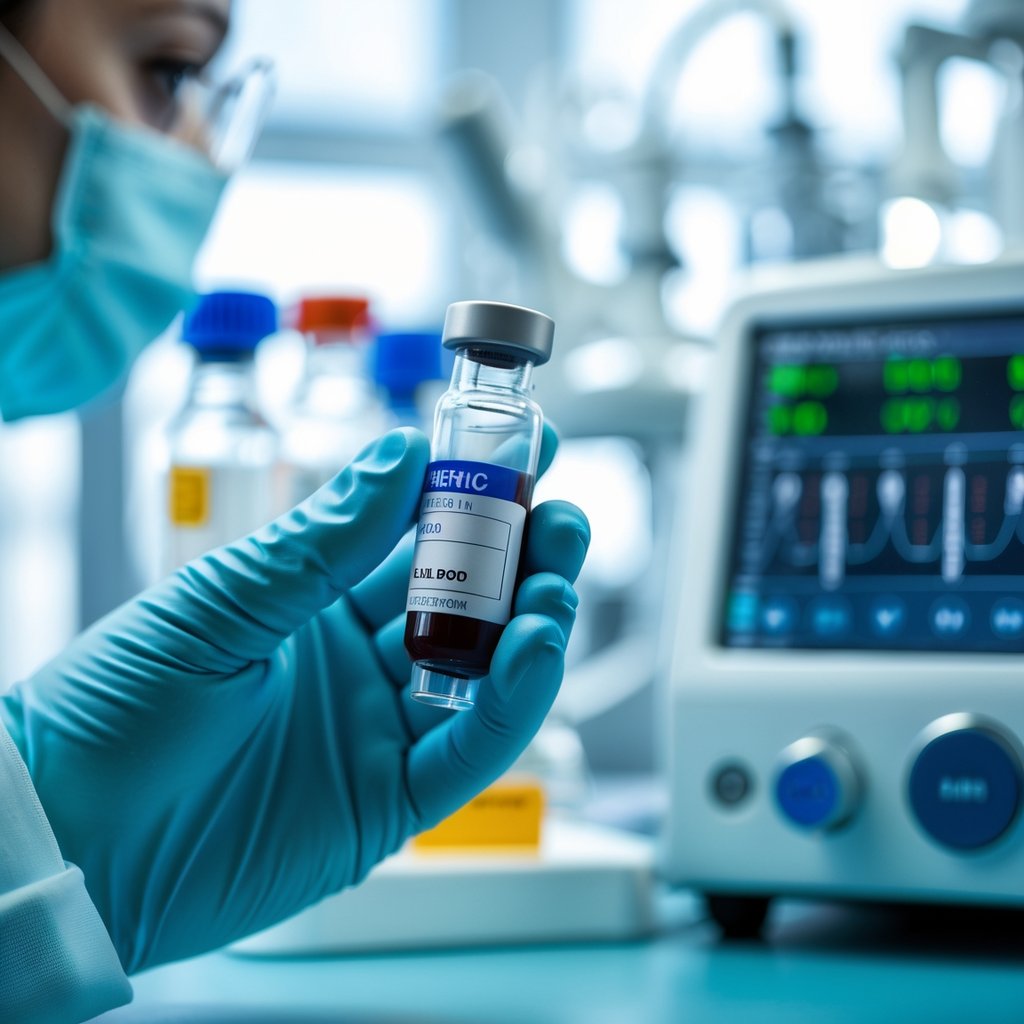
MCHC measures the average concentration of hemoglobin in each red blood cell. When results fall below the normal range, it signals potential issues with how your blood carries oxygen.
Defining MCHC and Its Role
Mean corpuscular hemoglobin concentration (MCHC) represents the density of hemoglobin within each red blood cell. Hemoglobin gives blood its red color and transports oxygen from your lungs to your body’s tissues.
When MCHC levels drop, your red blood cells contain less hemoglobin than they should. This means your tissues may not get enough oxygen to function properly.
Low MCHC usually indicates hypochromic anemia, where red blood cells appear paler than normal under a microscope. The most common cause is iron deficiency.
How MCHC Is Measured
MCHC is calculated as part of a complete blood count (CBC), a routine blood test. A healthcare professional draws blood from your arm—quick and nearly painless.
The CBC measures several red blood cell indices:
- MCV (mean corpuscular volume): average size of red blood cells
- MCH (mean corpuscular hemoglobin): average weight of hemoglobin per cell
- MCHC: concentration of hemoglobin within cells
- RDW (red cell distribution width): variation in cell sizes
- Hematocrit: percentage of blood volume occupied by red blood cells
Laboratory equipment calculates MCHC by dividing hemoglobin concentration by the hematocrit, then multiplying by 100. The lab handles this math automatically.
Normal MCHC Range
Normal MCHC values typically fall between 32 and 36 grams per deciliter (g/dL) or 320 to 360 grams per liter (g/L). Labs may use slightly different reference ranges, so results should be compared with the lab’s standards.
Anything below 32 g/dL is considered low. This threshold helps doctors distinguish between types of anemia and identify underlying causes. MCHC is always interpreted alongside other CBC results.
Low MCHC in Blood: What Does It Mean?

Low MCHC means red blood cells contain less hemoglobin than normal, reducing their ability to transport oxygen. This measurement reveals both hemoglobin concentration and why red blood cells may look paler under a microscope.
Low MCHC and Oxygen-Carrying Capacity
Low MCHC results point to red blood cells packed with less hemoglobin than they should be. Hemoglobin binds to oxygen in the lungs and releases it to tissues.
Reduced oxygen-carrying capacity means your body struggles to deliver enough oxygen to organs and muscles. Each red blood cell becomes less effective at its job.
This explains why people with low MCHC often feel fatigue and weakness. The normal MCHC range is 32 to 36 grams per deciliter; below this, hemoglobin concentration is insufficient.
Your tissues may not receive enough oxygen during activity or, in severe cases, at rest. The body compensates with a faster heart rate or increased breathing.
Low MCHC vs Low Hemoglobin
Low MCHC and low hemoglobin measure different aspects of your blood. Low hemoglobin refers to the total amount of hemoglobin in your blood. Low MCHC measures how concentrated hemoglobin is within each red blood cell.
You can have low hemoglobin with normal MCHC if you don’t have enough red blood cells. Low MCHC with normal hemoglobin means you have enough red blood cells, but each contains less hemoglobin than it should.
| Measurement | What It Shows |
|---|---|
| Low Hemoglobin | Total hemoglobin in blood is reduced |
| Low MCHC | Hemoglobin concentration in each cell is reduced |
Both can coexist in iron deficiency anemia. The distinction helps doctors pinpoint the problem.
Hypochromia: Why Red Blood Cells Look Pale
Hypochromia describes the pale appearance of red blood cells when MCHC is low. Hemoglobin gives red blood cells their red hue, so less hemoglobin means less color.
On a blood smear, normal red blood cells show a darker rim with a lighter center. Hypochromic cells have an expanded pale center and a thin outer ring.
This visual change matches the low hemoglobin concentration within the cells. Iron deficiency anemia is the most common cause, but disorders like thalassemia can also produce hypochromia.
Laboratory technicians use hypochromia as visual confirmation of what MCHC numbers suggest. It’s another diagnostic clue.
Causes of Low MCHC Levels
Low MCHC results from conditions that reduce hemoglobin concentration in red blood cells. Iron deficiency is the main culprit, but blood disorders, chronic disease, and toxins can also be responsible.
Iron Deficiency and Nutritional Factors
Iron deficiency anemia is the primary cause of low MCHC. Without enough iron, your body can’t produce adequate hemoglobin for red blood cells.
Factors that limit iron availability include:
- Insufficient dietary intake of iron-rich foods such as red meat, beans, and leafy greens
- Poor absorption from conditions like celiac disease, inflammatory bowel disease, or gastric bypass surgery
- Increased iron demands during pregnancy or growth spurts
- Chronic blood loss from heavy periods, ulcers, or gastrointestinal bleeding
Vitamin B6 deficiency can also interfere with iron use. Excessive calcium may block iron absorption, causing deficiency even with adequate intake.
Inherited and Blood Disorders
Genetic conditions can disrupt hemoglobin production or red blood cell structure. Thalassemia involves abnormal hemoglobin forms due to genetic mutations, lowering concentration within each cell.
Sideroblastic anemia prevents bone marrow from incorporating iron into hemoglobin properly, sometimes due to toxins or inherited defects.
Hereditary spherocytosis changes red blood cell shape, leading to premature breakdown and hemolytic anemia. The body can’t replace cells with normal hemoglobin quickly enough.
Chronic Disease and Inflammation
Chronic illnesses can affect red blood cell production and hemoglobin synthesis. Kidney disease reduces erythropoietin, the hormone signaling bone marrow to make new red blood cells.
Inflammatory bowel disease impairs iron absorption and causes chronic bleeding, depleting iron stores. Inflammation disrupts normal red blood cell maturation.
Autoimmune hemolytic anemia occurs when the immune system attacks red blood cells, causing premature destruction and fatigue.
Blood cancers like leukemia and lymphoma infiltrate bone marrow, reducing healthy blood cell production. Aplastic anemia damages stem cells, preventing development of functional red blood cells.
Other Contributing Conditions
Lead poisoning blocks enzymes needed for hemoglobin production, even at low exposure levels.
Parasitic infections like hookworm cause blood loss and nutrient malabsorption, leading to iron deficiency over time.
Pernicious anemia from vitamin B12 deficiency can impact red blood cell maturation, though it usually raises MCV rather than lowering MCHC. Certain medications, including some antibiotics and chemotherapy, can suppress bone marrow and reduce hemoglobin synthesis.
Common Symptoms of Low MCHC
Low MCHC produces symptoms similar to iron-deficiency anemia. These range from classic signs like fatigue and pale skin to subtler indicators.
Classic Signs of Anemia
The most recognizable symptoms stem from reduced oxygen delivery. Fatigue is the primary complaint—persistent exhaustion that doesn’t improve with rest.
Other common symptoms include:
- Weakness making daily tasks harder
- Pale skin, especially on the face, nail beds, and inner eyelids
- Shortness of breath during activities
- Dizziness or lightheadedness when standing up
Headaches may become more frequent. Some people experience an irregular heartbeat or chest pain, which require immediate medical attention.
Less Obvious Indicators
Low MCHC can also cause symptoms that aren’t immediately linked to blood disorders. Cold hands and feet develop as the body prioritizes oxygen delivery to vital organs.
Lack of concentration can affect work and daily life. The brain is sensitive to oxygen levels, so even mild drops in MCHC can impair cognitive function.
Easy bruising may occur more often when red blood cells aren’t functioning optimally. An unusual symptom is pica—cravings for non-food items like ice, dirt, or starch—which often resolves once MCHC levels normalize.
How Doctors Diagnose Low MCHC
Doctors diagnose low MCHC using blood tests that measure red blood cell characteristics and hemoglobin concentration. The process extends beyond the initial finding to identify the underlying cause.
Key Blood Tests and Indices
The CBC test forms the backbone for detecting low MCHC. This blood panel measures multiple components, including MCHC and other critical indices, from a single blood draw.
Mean corpuscular volume (MCV) works alongside MCHC to characterize red blood cells. Low MCHC paired with low MCV typically signals hypochromic microcytic anemia.
MCV reveals cell size, while MCHC indicates hemoglobin concentration. Your doctor will review these CBC measurements:
- MCHC levels (normal range: 32-36 g/dL)
- MCV values for cell size
- Hemoglobin concentration
- Red blood cell count and distribution
Iron levels and iron-binding capacity show whether your body absorbs iron properly. Ferritin testing reveals iron storage, with low ferritin suggesting iron deficiency before anemia develops.
Additional blood tests measure vitamin B12 and folate levels. Deficiencies in these nutrients can impact red blood cell production and hemoglobin synthesis.
Detecting the Underlying Cause
When low MCHC appears, doctors search for the root cause. Blood loss is common, so they assess for heavy menstrual cycles or gastrointestinal bleeding.
The fecal occult blood test detects hidden blood in stool, which may indicate internal bleeding. A positive test often leads to a colonoscopy for further investigation.
Your medical history may reveal absorption problems. Conditions like celiac disease, Crohn’s disease, and gastric bypass surgery interfere with iron absorption.
Blood tests can screen for celiac disease markers. Endoscopy with biopsy provides a definitive diagnosis.
Hemoglobin electrophoresis identifies abnormal hemoglobin types, helping detect inherited blood disorders like thalassemia.
Advanced Diagnostic Tools
If initial blood tests are inconclusive, doctors use imaging and procedures. Endoscopy allows direct visualization of the upper gastrointestinal tract with a camera.
Doctors can spot ulcers, take tissue samples for celiac testing, or identify bleeding sources during endoscopy. X-ray studies with barium contrast highlight abnormalities in the stomach and small intestine.
Bone marrow examination may be necessary in complex cases. This assesses red blood cell production when standard tests don’t explain low MCHC.
Lead poisoning tests and screening for parasitic infections like hookworm are considered when other causes are excluded.
Treatment Options for Low MCHC
Treatment depends on the cause of low MCHC. Most approaches combine dietary changes with medical interventions to restore healthy hemoglobin levels.
Dietary Adjustments and Supplements
Iron-rich foods are the first line of defense. Red meat, poultry, and seafood provide heme iron, which is absorbed more efficiently than plant-based sources.
Beans, peas, lentils, and dark leafy greens offer non-heme iron options. Vitamin C boosts iron absorption—pair iron-rich meals with citrus fruits, tomatoes, or bell peppers.
Iron supplements deliver a concentrated dose when diet isn’t enough. Doctors may prescribe 150-200 mg of elemental iron daily.
Taking supplements on an empty stomach improves absorption but can cause nausea. Vitamin B12 supplements are used for pernicious anemia, especially in vegetarians and older adults.
B12 comes in oral tablets, sublingual forms, or injections, depending on absorption needs.
Key nutrient combinations:
- Iron + Vitamin C = better absorption
- Avoid calcium-rich foods with iron supplements
- Space out tea and coffee from iron intake
Medical Interventions
IV iron delivers iron directly into the bloodstream, used when oral supplements fail or cause side effects. Treatment usually involves several infusions over weeks.
Blood transfusions are reserved for severely low MCHC with dangerous symptoms, providing an immediate boost to red blood cell counts.
Erythropoiesis-stimulating agents (ESAs) help bone marrow produce more red blood cells, especially for anemia related to kidney disease or chemotherapy.
Birth control pills can reduce heavy menstrual bleeding in women. Bone marrow transplants are an option for rare cases of severe aplastic anemia.
Managing Underlying Conditions
Targeting the root cause prevents recurrence. Iron deficiency anemia may require identifying bleeding sources through endoscopy or imaging.
Peptic ulcers need medication or surgical repair. Inflammatory conditions like Crohn’s or celiac disease require ongoing management to improve nutrient absorption.
Kidney disease patients need specialized care for reduced hormone production. Cancer treatments may require adjusting chemotherapy or adding protective medications.
Parasitic infections are treated with antiparasitic drugs before iron levels can recover. Regular blood tests monitor treatment effectiveness.
Living With and Preventing Low MCHC
Managing low MCHC centers on dietary adjustments and recognizing when medical attention is necessary.
Preventive Diet and Lifestyle Tips
Prevention starts with adequate iron intake through daily diet. Red meat, pork, and poultry offer the most easily absorbed iron.
Seafood, beans, and peas provide additional sources, though plant-based iron is less efficiently absorbed. Spinach, while iron-rich, contains oxalic acid that blocks absorption.
Cooking spinach and pairing it with vitamin C sources, beef, poultry, or fish maximizes iron uptake.
Key nutrients for prevention:
- Iron from animal and plant sources
- Vitamin B6 from bananas, wild tuna, chicken breast, salmon, and sweet potato
- Vitamin C to enhance iron absorption
- Adequate fiber to support intestinal absorption
Monitor calcium intake, as excess can hinder iron absorption. Stay within recommended limits rather than avoiding calcium entirely.
Risks if Left Untreated
Untreated low MCHC can sap stamina and energy, limiting daily activities and quality of life. Severe cases may progress to anemic hypoxia, where oxygen delivery to tissues is compromised.
Warning signs of anemic hypoxia include:
- Fast heart rate
- Confusion
- Rapid breathing
- Excessive sweating
- Shortness of breath
- Wheezing or coughing
Chronic blood loss from prolonged menstrual cycles or peptic ulcers worsens iron deficiency anemia. Internal bleeding from cancer or parasitic infections presents additional dangers.
When to See a Doctor
Consult a healthcare provider if you experience persistent tiredness, difficulty breathing, or low stamina. These symptoms often signal that your MCHC may have dropped below normal ranges.
Any MCHC result outside the standard 32 to 36 g/dL warrants professional evaluation. A doctor can help identify whether iron deficiency anemia or another underlying condition is present.
Seek immediate medical attention for symptoms of anemic hypoxia, such as confusion, rapid breathing, or chest discomfort. These signs indicate your tissues may not be receiving enough oxygen.
Women with unusually long, frequent, or heavy menstrual bleeding should report these changes. People with celiac disease, Crohn’s disease, or a history of gastric bypass surgery are at higher risk and should consider regular monitoring.