
Corn appears everywhere—from summer barbecues to breakfast cereals. If you have diabetes, you might wonder if this popular vegetable should be on your plate.
The good news: corn isn’t automatically off-limits for diabetics, but how you eat it makes all the difference.
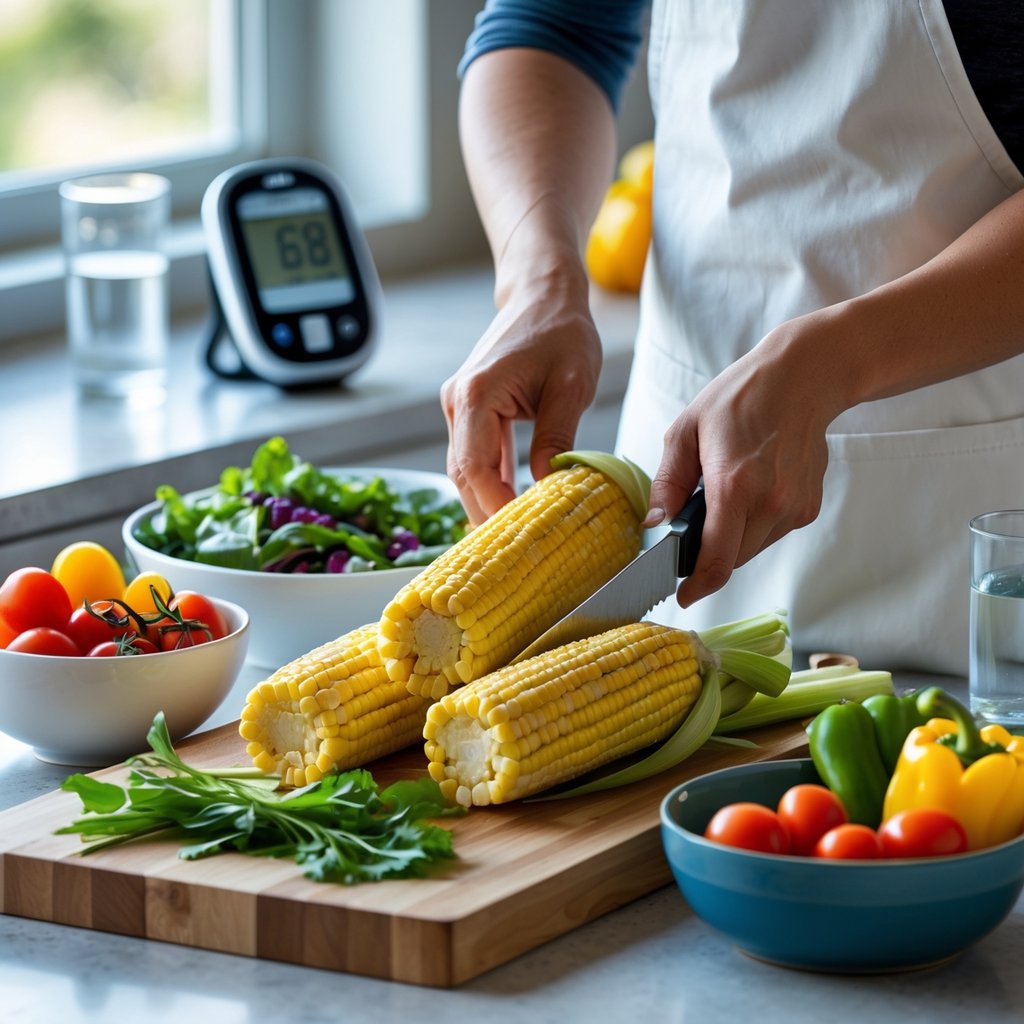
Corn can be part of a healthy diabetes diet when you choose the right types, control portions, and prepare it wisely. Fresh corn has a medium glycemic index of 52, raising blood sugar more slowly than many processed foods.
The key is knowing which forms of corn work best for blood sugar control and which to limit. Let’s break down how different types of corn affect glucose, the best preparation methods, and how to fit corn into your meal plan.
Is Corn Bad for Diabetics?
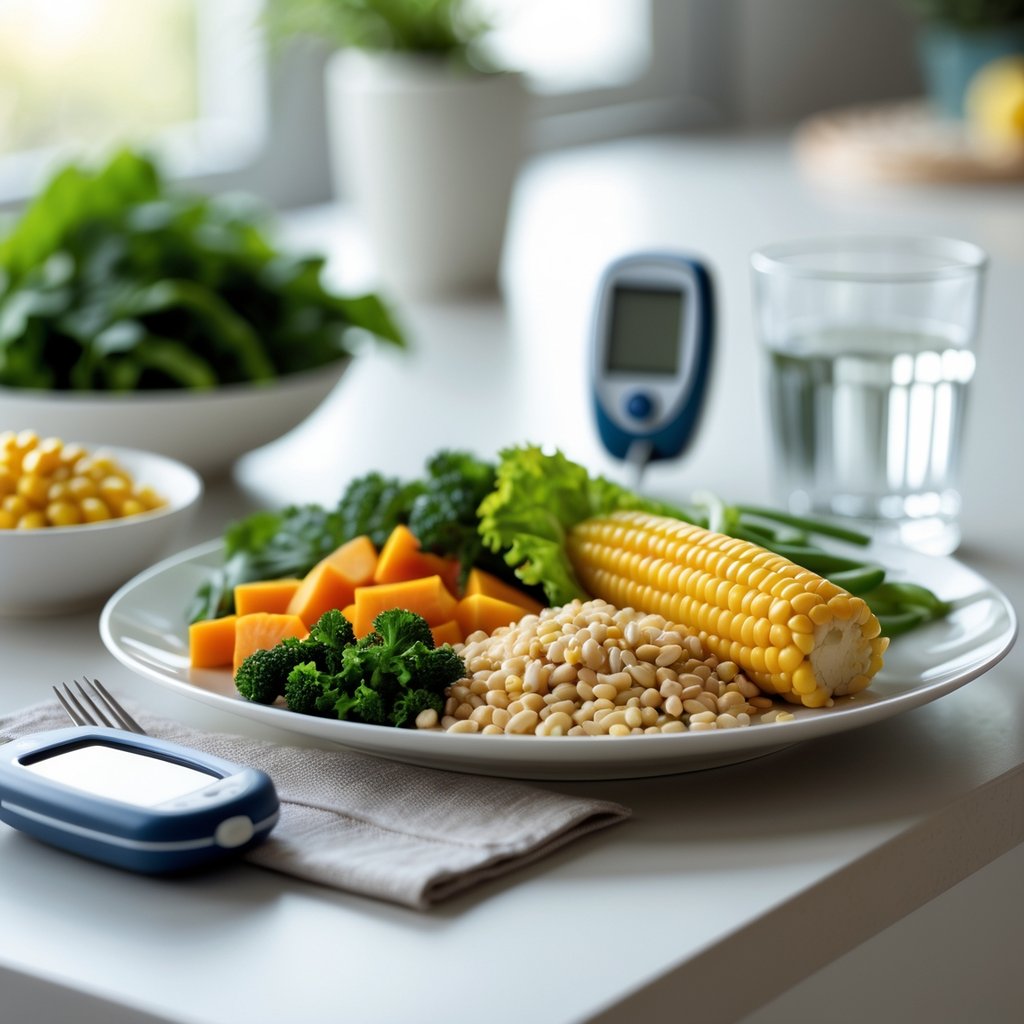
Corn isn’t inherently bad for people with diabetes, but its carbohydrate content means you need to eat it carefully. The key lies in choosing the right types, watching portions, and preparing it in ways that minimize blood sugar impact.
Can People With Diabetes Eat Corn?
You can eat corn if you have diabetes. Fresh, whole-kernel corn contains fiber that slows sugar absorption, making it a better choice than processed corn products.
Different types of corn impact your blood sugar in distinct ways. Sweet corn has a glycemic index of 55-70, while whole-kernel corn typically scores below 50, raising blood sugar more slowly.
A half-cup serving of corn provides about 2 grams of fiber and 15-20 grams of carbohydrates. That fiber helps stabilize glucose levels.
Fresh or frozen corn is preferable to canned or processed versions, which often contain added sugars and less fiber. Processed corn products can spike your blood sugar faster.
Corn and Blood Sugar Spikes
Corn contains starches that break down into glucose during digestion. The speed of this process depends on how the corn is prepared and its form.
Processing changes how corn affects your glucose levels. Chips, cereals, and cornmeal are digested faster, leading to quicker blood sugar rises.
Factors that influence corn’s glycemic impact:
- Form: Fresh corn on the cob has a lower glycemic response than cornmeal or corn flour.
- Preparation: Boiling or steaming keeps the glycemic index lower than frying.
- Portion size: A half-cup serving has about 15 grams of carbs; a full cup doubles that.
Pairing corn with protein or healthy fats slows down carbohydrate absorption, helping prevent sharp glucose spikes.
Balancing Corn in a Diabetes Diet
Measure your corn portions to keep carbohydrate intake predictable. A standard serving is one half-cup of cooked corn kernels.
Smart ways to prepare corn:
- Grill corn on the cob for 10-15 minutes over medium heat.
- Steam fresh kernels for 5-7 minutes.
- Skip butter, sugar, or heavy sauces.
Track how corn affects your blood sugar by testing before eating and two hours after your meal. This helps you adjust portions.
Combine corn with non-starchy vegetables, lean proteins, and healthy fats. Add corn to salads with greens and grilled chicken, or mix it with beans and avocado for balanced nutrition.
How Corn Affects Blood Sugar
Corn impacts blood sugar through its carbohydrate content, the balance between starch and fiber, and how quickly your body absorbs glucose after eating.
Carbohydrates and Digestion
Corn contains about 21 grams of carbohydrates per 100 grams. These carbs break down during digestion into glucose, which enters your bloodstream.
A half-cup serving of corn kernels has roughly 15 grams of carbohydrates. Fresh corn digests more slowly than processed products because its cell walls remain intact, slowing how fast carbs convert to glucose.
Starch Versus Fiber in Corn
Corn contains two types of carbohydrates:
- Starch: Makes up most of corn’s carb content and raises blood glucose.
- Fiber: Slows digestion and helps prevent blood sugar spikes.
Whole kernel corn provides more fiber than processed versions, with 2 to 4 grams per serving. Fiber acts as a buffer during digestion.
When you eat corn with its natural fiber, starch breaks down more gradually. Sweet corn has less fiber and more sugar than field corn. Processed corn products like corn syrup or cornmeal have little to no fiber, spiking blood sugar faster.
Glucose Absorption and Glycemic Response
Fresh corn on the cob has a glycemic index between 50 and 60, in the moderate range. Processed corn products can reach 70 or higher.
Eating corn with fiber slows glucose absorption, causing blood sugar to rise more gradually. Preparation methods matter: boiled or steamed corn causes a slower glycemic response than fried or processed corn.
Pairing corn with protein or healthy fats further slows absorption, keeping your blood sugar more stable after meals.
Glycemic Index and Glycemic Load of Corn
Sweet corn ranks in the low to moderate range for glycemic index, typically between 52 and 55. Glycemic load depends on how much you eat.
Glycemic Index of Corn
The glycemic index (GI) measures how quickly a food raises your blood sugar. Foods scoring 55 or below are low GI; 56 to 69 are moderate; 70 or higher are high.
Boiled sweet corn usually scores around 52 to 55. Your body digests whole corn kernels relatively slowly because of their fiber and structure.
Processing changes everything. Cornflakes have a GI of 81, firmly in the high category. Ground or flaked corn loses fiber, making starch easier to convert into glucose.
Fresh or frozen corn kernels keep their natural fiber, affecting blood sugar more gradually than processed products.
Glycemic Load: Why Portion Size Matters
Glycemic load factors in both the glycemic index and the amount of carbohydrates in your serving.
A medium ear of corn contains about 15 to 17 grams of carbohydrate and has a glycemic load of approximately 15. This moderate GL means corn affects blood sugar, but the impact remains manageable with proper portion control.
A half-cup of cooked corn kernels equals one carbohydrate exchange. Double the portion, and you double the glycemic load and blood sugar impact.
Count corn as a starchy carbohydrate, not as a free vegetable. Track your carbohydrate intake when adding corn to your plate.
Comparing Corn to Other Foods
Corn sits in the middle range compared to other grains and starches. Quinoa has a GI around 53, similar to sweet corn. Barley scores lower at about 28, making it better for blood sugar management.
Here’s how common corn products compare:
| Food | Glycemic Index | Glycemic Load (per serving) |
|---|---|---|
| Sweet corn (boiled) | 52-55 | 15 |
| Popcorn (air-popped) | 65 | 8 |
| Cornflakes | 81 | 20 |
| Quinoa | 53 | 13 |
| Barley | 28 | 11 |
Plain air-popped popcorn offers a lighter option despite its moderate GI. You get more volume for fewer carbs, satisfying snack cravings without dramatic spikes.
Types and Forms of Corn: What’s Best for Diabetics?
The type of corn you choose matters as much as the amount. Whole, unprocessed corn affects blood sugar differently than refined products, which can spike glucose quickly.
Fresh and Whole Corn Options
Fresh corn kernels and corn on the cob are your best choices. Whole forms contain natural fiber that slows sugar absorption.
Fresh corn has a moderate glycemic index. Eating it with fiber intact means your blood sugar rises more slowly than with processed versions.
Frozen corn kernels retain most of their nutrition and fiber. Add them to salads, soups, or side dishes.
Best whole corn options:
- Fresh corn on the cob
- Frozen corn kernels (no added sugar)
- Fresh corn kernels cut from the cob
- Air-popped popcorn (plain, in small portions)
Stick to about half a cup of corn kernels or one small ear of corn per serving.
Processed Corn Products to Limit
Processed corn products can cause sharp blood sugar spikes. Stripped of fiber and ground into fine particles, they’re digested rapidly.
Corn chips and cornflakes have high glycemic values. They break down quickly and send glucose rushing into your bloodstream.
Limit or avoid:
- Cornflakes and corn-based cereals
- Corn chips and tortilla chips
- Cornbread made with refined cornflour
- High-fructose corn syrup
- Corn syrup in any form
High-fructose corn syrup, found in sodas and packaged foods, causes rapid blood sugar increases and offers zero nutritional benefit.
Refined cornflour products act more like simple sugars than whole grains, lacking fiber and nutrients that help regulate glucose.
Sweet Corn, Canned Corn, and Corn on the Cob
Sweet corn contains more sugar than field corn, but is still okay in controlled portions. A small ear of sweet corn on the cob has about 15-20 grams of carbohydrates.
Canned corn can have added sugar or salt. Always check labels and choose “no added sugar” or “low sodium” varieties.
| Corn Type | Best Choice | Notes |
|---|---|---|
| Sweet corn on the cob | Fresh or frozen | Eat half to one small ear |
| Canned corn | No added sugar varieties | Rinse to reduce sodium |
| Corn kernels | Fresh or frozen plain | Measure portions carefully |
Corn on the cob gives you the whole kernel with all its fiber, making it better than canned options. Grilling or boiling corn on the cob without butter or sugar keeps it diabetes-friendly.
Pair sweet corn with protein and healthy fats to slow digestion and prevent blood sugar spikes.
Preparation Methods and Healthy Corn Recipes
How you cook corn affects its impact on blood sugar. Pairing corn with the right foods can help keep meals balanced.
Boiling, Grilling, Roasting, and Steaming
Boiling, grilling, roasting, and steaming are top choices for healthy corn prep. These methods avoid extra fats or sugars, preserving corn’s fiber and vitamins.
Boil fresh corn for 5-7 minutes for a simple, nutrient-rich side. Grilling brings out natural sweetness—cook corn on medium heat for 10-15 minutes, turning often for even char.
Roast corn in a 400°F oven for 20-25 minutes, turning once for a crisp texture. Steaming is gentle and preserves B vitamins; steam kernels for 5-7 minutes.
Skip deep-fried, creamed, or heavily buttered corn—these add unhealthy fats and can spike blood sugar.
Adding Protein and Healthy Fats
Corn is carb-heavy and can raise blood sugar quickly. Adding protein and healthy fats helps slow digestion and prevent spikes.
Pair half a cup of corn with lean proteins like grilled chicken, fish, or turkey for a balanced plate. Beans—such as black beans or chickpeas—add both protein and fiber; mix them with corn, tomatoes, and lime juice for a quick side.
Avocado contributes healthy fats and supports insulin sensitivity. Add sliced avocado to corn salads or drizzle with olive oil for heart health.
Grilled corn also pairs well with lean beef or pork tenderloin. Stick to 3-4 ounces of meat per serving to keep portions in check.
Cooking With Non-Starchy Vegetables
Non-starchy vegetables help balance corn’s carbs and add bulk without raising blood sugar. Combine corn with bell peppers, tomatoes, zucchini, or onions for extra fiber and nutrients.
Broccoli is a standout—steam or roast it alongside corn for a vitamin-rich side. Leafy greens like spinach or kale work well in corn salads; toss with cucumber, cherry tomatoes, and herbs like cilantro or spices such as cumin or paprika.
Try roasted corn with sautéed bell peppers, onions, and chili powder for a colorful, flavorful dish. This combo adds nutrition and taste without spiking blood glucose.
Nutritional Benefits of Corn for Diabetics
Corn offers vitamins, antioxidants, fiber, and minerals that support health for people with diabetes.
Antioxidants and Vitamins
Corn contains antioxidants that help fight inflammation, a key factor in diabetes management. Vitamin C in corn supports immunity and wound healing, which is especially important for diabetics.
B vitamins like thiamin (B1) help convert carbs into energy, while folate aids cell function and tissue growth. Yellow corn varieties provide more antioxidants thanks to their pigments.
Corn’s Fiber for Satiety and Digestion
A half-cup of corn kernels delivers about 2 grams of fiber, slowing sugar absorption and promoting fullness. This helps prevent overeating and keeps energy levels steady.
Soluble fiber in corn lowers cholesterol and improves blood sugar control by slowing glucose absorption. Insoluble fiber aids digestion and supports gut health.
Whole corn kernels provide more fiber than processed corn products. Choose fresh or frozen corn for maximum benefit.
Key Minerals in Corn
Corn supplies potassium, magnesium, and phosphorus—minerals vital for metabolic health.
- Potassium: Regulates blood pressure and supports heart health, especially important for diabetics.
- Magnesium: Involved in over 300 enzyme reactions, including blood sugar control.
- Phosphorus: Supports bone health and helps the body use carbs and fats.
A half-cup of corn provides about 5% of daily potassium and 10% of phosphorus needs. Adequate magnesium intake is linked to better insulin sensitivity.
These minerals help manage blood pressure, support kidney health, and keep your metabolism running smoothly.
Smart Portion Control and Meal Planning
Portion control is crucial when including corn in a diabetes-friendly diet. A standard serving is half a cup of kernels or half a medium ear, with about 15 grams of carbohydrates.
Tracking Serving Sizes
Measure corn portions carefully to maintain stable blood sugar. Half a cup is about the size of your closed fist, or one small ear of corn.
Use measuring cups until you’re confident in estimating servings. Many people underestimate portions when eyeballing.
Keep a food diary to track how corn servings affect your blood sugar two hours post-meal. Individual tolerance varies—some can handle more than others.
Your diabetes management plan should include specific carbohydrate targets. A half cup of corn counts as one carbohydrate exchange in most meal plans.
Pairing Corn for Better Blood Sugar Control
Always pair corn with protein and fiber to slow carbohydrate absorption.
Add grilled chicken, fish, or beans to meals with corn. Three ounces of lean protein can significantly improve glucose response.
Fill half your plate with non-starchy vegetables, a quarter with protein, and a quarter with corn or other starches. Include healthy fats like avocado or a small handful of nuts to further slow digestion.
Corn Alternatives and Broader Dietary Choices
If corn doesn’t fit your meal plan or you want variety, low-glycemic grains offer great alternatives.
Low-Glycemic Grain Options
Quinoa is a complete protein with a glycemic index around 53, lower than sweet corn. It supplies all essential amino acids and plenty of fiber.
Barley is even lower on the glycemic index, around 28, making it a top pick for blood sugar control. Its beta-glucan fiber helps regulate post-meal spikes.
Other options include:
- Bulgur wheat: Quick-cooking, GI around 48.
- Steel-cut oats: Offer steady energy and minimal blood sugar impact.
- Farro: An ancient grain rich in fiber and nutrients.
Swap these grains cup-for-cup in recipes that call for corn. They work well in salads, sides, and grain bowls.
Building a Balanced Plate With Diabetes
A balanced plate keeps blood sugar in check. Fill half with non-starchy vegetables like broccoli, spinach, or peppers.
Reserve a quarter for lean proteins such as chicken, fish, tofu, or legumes. The last quarter is for grains or starchy vegetables, including corn or its alternatives.
Add healthy fats from olive oil, avocado, nuts, or seeds. This combination slows carbohydrate digestion and boosts nutrient absorption.
Understanding Individual Responses and Monitoring
Your response to corn depends on blood sugar control, activity, medication, and meal composition. Monitoring helps you personalize your diet.
Blood Glucose Monitoring After Eating Corn
Check your blood glucose before and two hours after eating corn. Record your results along with what and how much you ate.
Individual reactions vary—what works for one person may not work for another. Factors like age, weight, and stress all play a role.
Test different corn forms: fresh on the cob, frozen kernels, canned (no added sugar), or popcorn. Watch your portions—a half-cup may be fine, a full cup might not.
The data you collect guides your safe inclusion of corn in your meals.
Working With Healthcare Professionals
Schedule regular appointments with your doctor or diabetes educator to review your blood sugar logs. They can spot patterns you might miss and adjust your diabetes management plan accordingly.
A registered dietitian can calculate how corn fits into your daily carb budget. They ensure your nutrition needs are met.
Bring your food diary and glucose readings to these visits. Be specific about serving sizes and preparation methods.
Your healthcare team might recommend changes to your insulin doses or medication timing based on how corn affects your numbers. Ask about checking your A1C and cholesterol levels during routine blood work.
These tests show how well your overall diabetes management works over time. Your doctor can connect changes in these markers to dietary patterns, including how often you eat starchy vegetables like corn.