
Prescription medications can strain anyone’s budget. Free discount cards and programs can reduce prescription costs by up to 80% at tens of thousands of pharmacies nationwide.
These savings tools are available to everyone, regardless of insurance status. Many require no enrollment fees or personal information to use.
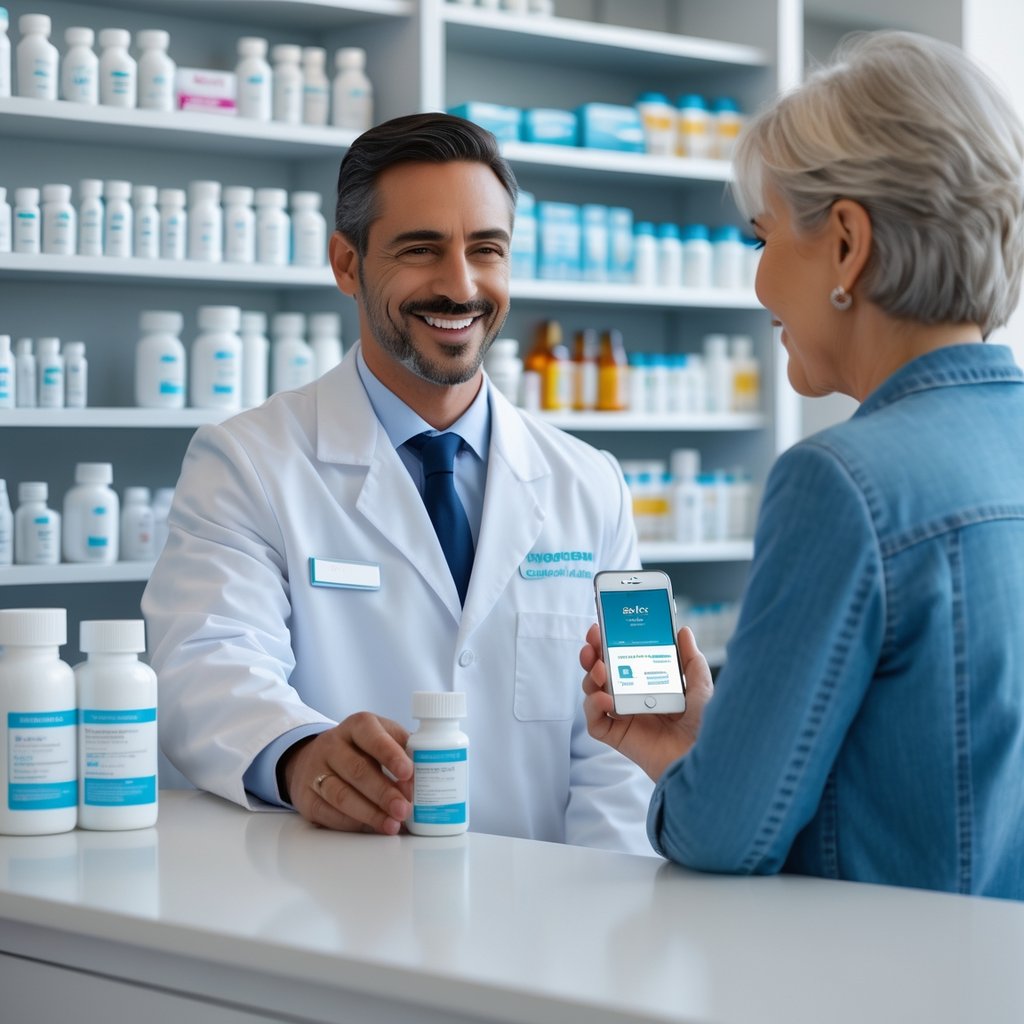
Americans spent about $350 billion on prescription drugs in 2020, with costs rising 3% to 6% annually. Roughly a quarter of people in the United States report difficulty affording their medications.
Understanding how prescription discounts work can make a real difference for your wallet. Multiple options exist for reducing drug costs, from free discount cards accepted at major chains to pharmacy-specific programs and nonprofit assistance.
How Discounts on Prescriptions Work
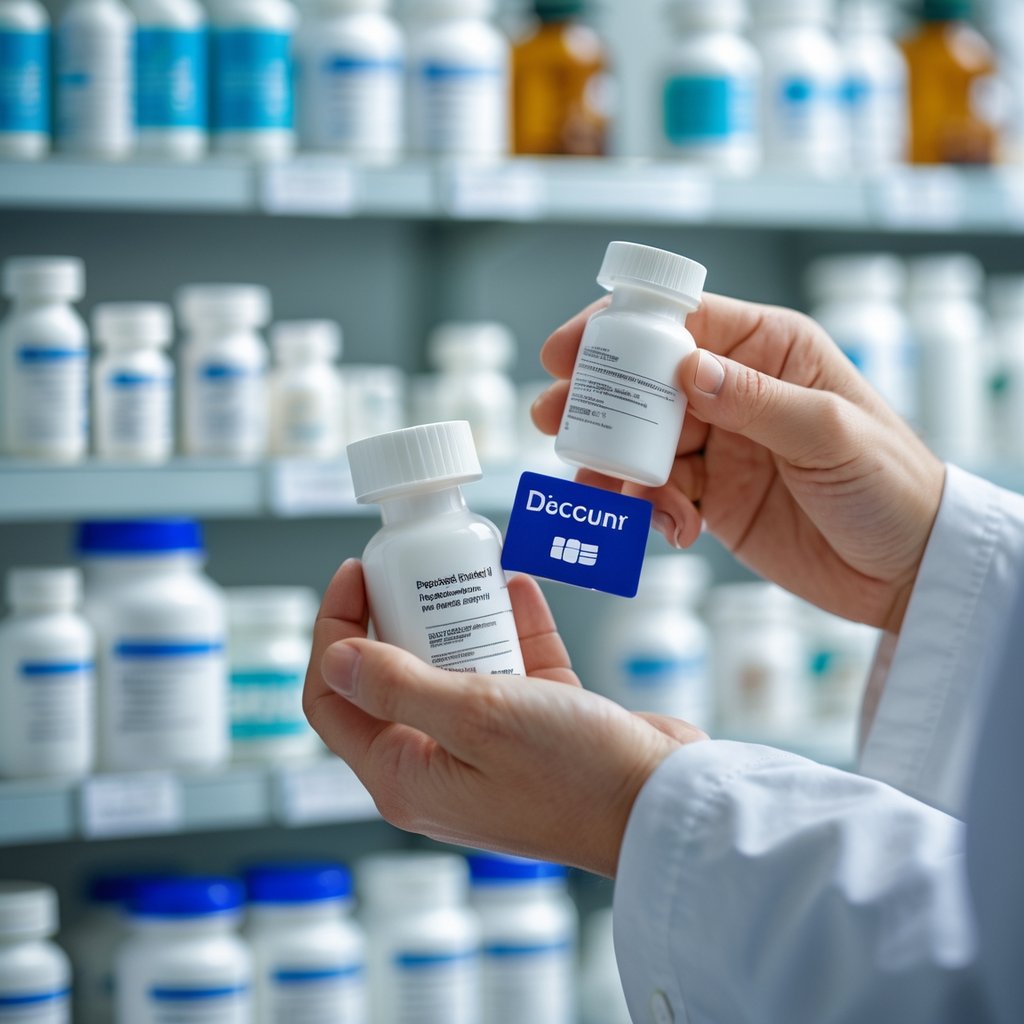
Prescription discounts rely on pre-negotiated agreements between discount providers and pharmacies, which set prices below standard retail rates. The actual discount depends on the program you use and each pharmacy’s pricing structure.
Types of Prescription Discounts
There are three main categories of prescription savings that can reduce your medication costs.
Pharmacy Savings Cards like GoodRx, SingleCare, and ScriptSave WellRx offer free cards that work at over 65,000 pharmacies nationwide. Present the card at checkout to receive the pre-negotiated price, with savings up to 80% on FDA-approved medications, though most discounts range from 15-40%.
Patient Assistance Programs (PAPs) are provided by pharmaceutical manufacturers. These programs offer medications at reduced cost or free for patients meeting income requirements, but require financial documentation and physician involvement.
Pharmacy-specific discount programs are offered by chains like CVS or Walgreens. These programs provide consistent pricing on select medications, though typically with smaller discounts than third-party savings cards.
How Pharmacies Determine Discount Prices
Each pharmacy sets its own “usual and customary” retail price, which can vary widely between locations. Discount card companies negotiate bulk pricing agreements with pharmacy networks and drug wholesalers, creating a contracted rate below the standard retail price.
The discount provider receives a small processing fee each time you use the card. Several factors influence the final price: medication type, local competition, pharmacy purchasing power, and manufacturer rebates.
The same medication can have different discount prices at pharmacies just blocks apart. Compare prices across multiple locations before filling your prescription.
Popular Prescription Discount Cards

Major prescription discount cards like GoodRx, SingleCare, and WellRx offer access to negotiated pharmacy rates, reducing medication costs by 20% to 80%. These cards differ in pharmacy networks, pricing structures, and features.
Differences Between Prescription Discount Cards
The main distinctions are network size, membership costs, and special features. SingleCare operates at 35,000 pharmacies and includes a price comparison tool and telemedicine discounts.
WellRx covers 65,000 locations and offers app features like medication interaction tracking. America’s Pharmacy allows household sharing of a single card, while GoodRx offers both free and paid versions—GoodRx Gold provides higher savings for a monthly fee.
Some cards are better for specific situations or medication categories. Network size matters, as a larger network means more pricing options.
Key card features:
- Free vs. paid membership options
- Pharmacy network coverage (35,000 to 70,000+ locations)
- Pet medication eligibility
- Mobile app functionality
- Rewards programs
How to Get and Use a Discount Card
Most cards require only basic information like your name and email. You can download a digital card, receive it via text or email, or print it from the provider’s website.
Look up your medication on the card provider’s website or app before heading to the pharmacy. Compare prices at nearby locations, then present your discount card to the pharmacist.
You cannot combine prescription discount cards with insurance on the same purchase. Compare your insurance copay against the discount card price to see which saves more. Many people find discount cards cost less than insurance, especially for generic medications or before meeting their deductible.
How to Compare Prescription Prices Effectively
Finding the best price means using digital comparison platforms and checking with local pharmacies. Both methods can reveal significant price differences for the same prescription.
Online Price Comparison Tools
Websites like GoodRx, RxSaver, and SingleCare let you search for specific medications and instantly see costs at nearby locations. These platforms aggregate real-time pricing data from over 70,000 pharmacies.
Enter your medication name, dosage, and zip code to see a list of pharmacies ranked by price. Savings of 50% to 80% compared to standard retail costs are common.
Most sites provide free discount coupons for immediate use. These coupons are for people paying out of pocket and can’t be combined with insurance or Medicare/Medicaid.
Look for:
- Real-time price updates
- Downloadable or mobile coupons
- Coverage of brand-name and generic medications
- Pharmacy maps and hours
Prescription prices change often. Check prices each time you refill.
Tips for Comparing In-Store Prices
Calling pharmacies directly is reliable for confirming costs. Contact at least three to four in your area with your prescription details.
Ask for both the insured copay and the cash price. Sometimes the cash price is lower than your insurance, especially for generics. Inquire about store loyalty programs or discount cards.
Have this information ready:
- Medication name and dosage
- Quantity needed
- Insurance info (if applicable)
- Discount card numbers
Independent pharmacies sometimes offer better prices than major chains. Warehouse clubs like Costco often have competitive pricing and may not require membership for pharmacy services.
Major Pharmacy Chains Offering Prescription Discounts
Most national pharmacy chains now accept multiple discount programs. These savings work independently of insurance and are available to anyone at the counter.
Walgreens Pharmacy Savings Programs
Walgreens operates over 9,000 locations and accepts most major prescription discount cards, including Super+ RX, GoodRx, and SingleCare.
Their Prescription Savings Club costs $20 per year (or $35 for families) and offers set pricing on thousands of generic medications. Some common antibiotics cost as little as $5 for a 30-day supply.
Walgreens also processes discount coupons from third-party networks at checkout. Present the BIN, PCN, Group Number, and Member ID from your discount card so the pharmacist can apply the reduced price.
Their mobile app lets you compare the club price against discount card prices before filling a prescription.
CVS Pharmacy Discounts
CVS operates about 9,600 stores and participates in prescription discount networks covering over 70,000 pharmacies.
Their CarePass membership is $5 monthly or $48 annually, with a $10 monthly reward that can go toward prescriptions. This provides 20% discounts on CVS Health brand products.
CVS accepts external discount coupons from verified programs. Use these instead of insurance when the coupon price beats your copay.
Savings opportunities at CVS:
- Generic medication discounts through third-party cards
- ScriptSync service for bundling prescriptions
- Text alerts for ready prescriptions and refills
The ExtraCare rewards program adds credits on front-store purchases, which can offset future costs.
Costco Pharmacy Prescription Savings
Costco Pharmacy offers some of the lowest baseline prescription prices among major chains. Their pricing strategy relies on smaller retail margins.
Non-members can use Costco Pharmacy in most states, making their competitive pricing widely accessible. The pharmacies accept discount cards like Super+ RX for additional savings.
Costco’s starting prices often undercut other chains by 20% to 40% before any discount cards apply. Generic medications show the most significant savings.
Costco fills prescriptions for both members and non-members at the same prices. The membership fee doesn’t affect pharmacy pricing.
Where Prescription Discounts Are Accepted
Prescription discount programs work at tens of thousands of retail pharmacies across the United States. Most major chains and many independents participate.
64,000 Pharmacies Nationwide
Several major discount programs operate through networks of about 64,000 participating pharmacies. These include:
- CVS
- Walgreens
- Rite Aid
- Costco Wholesale
- Safeway
- Kroger-owned pharmacies
Regional grocery store pharmacies like H-E-B, Wegmans, and Fred Meyer also participate. Many independent community pharmacies accept these discount cards as well.
65,000 Pharmacies and Counting
Some networks have grown to around 65,000 participating locations. GoodRx claims acceptance at over 70,000 pharmacies.
Expanded networks mean more locations and better price comparison options. Always check the discount program’s pharmacy locator before assuming acceptance.
Maximizing Your Prescription Savings
Knowing which tools work best—and when to use them—can help you combine multiple strategies and reduce prescription costs significantly. Target your approach based on your family’s needs, and shop smart for every prescription.
Using Coupons and Apps for Extra Discounts
Prescription discount apps and coupons can save up to 80% on medications, even for those with insurance. Apps like SingleCare, Optum Perks, and ScriptSave WellRx let users compare prices across 35,000 to 65,000 pharmacies nationwide.
Download a prescription discount card for free from these services. Search for your medication in the app, view local prices, and present the digital coupon or card at checkout.
These tools are valuable because most require no enrollment fees or personal information. Cards work at major chains like Walmart, CVS, Walgreens, and Kroger.
Discounts sometimes beat insurance copays and can be used for family members or pets. Compare prices every time you fill a prescription, as the lowest price varies by pharmacy and drug.
Some services like RxSaver display both insurance copay estimates and discount prices, making it easier to choose the best deal.
Smart Ways to Save for Families and Seniors
A single prescription discount card can cover the whole family, eliminating the need for multiple accounts. SingleCare allows one card for friends and family, even if they’re not registered users.
Seniors have additional options. The AARP prescription discount card covers all FDA-approved medications at 66,000 pharmacies, with extra perks for members like home delivery.
Medicare beneficiaries can apply for Extra Help, which provides around $5,100 annually for Part D costs. Walmart’s Rx program offers 30-day supplies of generics starting at $4.
Costco members can access the Member Prescription Program, with discounts from 2% to 40% on common and pet medications. Pharmaceutical companies also offer assistance programs for specific medications, regardless of age or income.
Organizations like NeedyMeds and RxHope maintain free databases of these programs and help with applications.
Considerations and Limitations
Prescription discount programs can reduce costs, but they come with restrictions. Understanding these limits is key to maximizing savings.
Prescription Discounts vs. Insurance
Prescription discount cards cannot be combined with insurance coverage. Using a discount card is treated as a cash transaction, so it won’t count toward your insurance deductible or out-of-pocket maximum.
This is especially important for those with high-deductible plans, as using discounts may delay reaching your deductible. Early in the year, using insurance might make more sense; after meeting your deductible, insurance typically offers better value.
Always compare your insurance copay and discount card prices before refilling, since medication costs can change. Filling prescriptions as cash transactions may also limit claims transparency, making it harder for your healthcare team to track medication adherence.
Limitations on Eligible Medications
Prescription discount programs don’t cover all FDA-approved medications equally. Each card maintains its own list of eligible drugs with varying discount rates.
Certain medication categories face more restrictions. Controlled substances often receive minimal or no discounts.
Specialty medications may be excluded entirely. Some cards only work at specific pharmacy networks.
Brand-name drugs typically have smaller discounts than generics. The advertised savings of “up to 85%” apply primarily to select generic medications.
Actual discounts vary considerably by pharmacy location, drug type, and even day of purchase. Some programs also limit how many times you can use a discount on the same medication within a specific timeframe.