High blood pressure affects millions worldwide. Many call it the “silent killer.”
You might be wondering what symptoms to watch for.
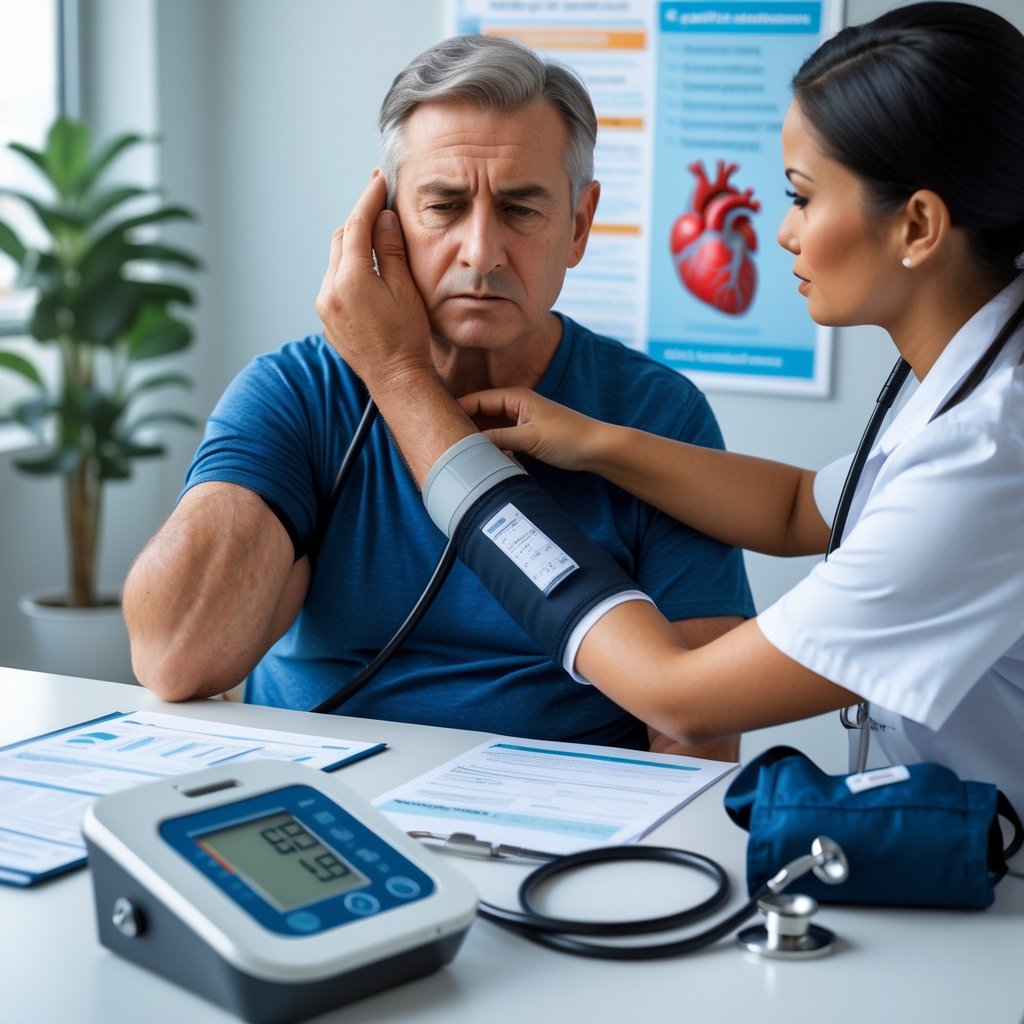
Most people with high blood pressure have no symptoms at all. This is what makes the condition so dangerous.
Your blood pressure could be dangerously high right now, and you would feel completely normal. The only way to know if you have high blood pressure is to get it measured by a healthcare professional or check it yourself at home.
Some people do experience warning signs when their blood pressure reaches dangerous levels. You might notice headaches, dizziness, or blurred vision.
In emergency situations, symptoms like chest pain and shortness of breath can appear.
Understanding High Blood Pressure

High blood pressure affects how hard your heart works to pump blood through your body. Knowing what the numbers mean helps you protect your health.
What Is Hypertension?
Hypertension is the medical term for high blood pressure. It happens when the force of blood pushing against your artery walls stays too high over time.
Your heart has to work harder than it should to move blood through your body. Your arteries are like highways for your blood—when pressure builds up, it strains your heart, damages blood vessels, and puts your brain, kidneys, and eyes at risk.
The condition develops quietly, sometimes over years, without any warning signs.
How Blood Pressure Is Measured
Blood pressure is measured in millimeters of mercury, written as mm Hg. A healthcare provider wraps a cuff around your upper arm and inflates it to get your reading.
Each blood pressure reading includes two numbers:
- Systolic pressure (the top number) measures the force when your heart beats and pushes blood out.
- Diastolic pressure (the bottom number) measures the pressure between heartbeats when your heart rests and refills with blood.
A typical reading looks like “120/80 mm Hg.” You’d say this as “120 over 80.”
Blood Pressure Numbers and Categories
Blood pressure categories help you understand where your numbers fall and what action you need to take.
| Category | Systolic (top number) | Diastolic (bottom number) |
|---|---|---|
| Normal | Less than 120 mm Hg | and less than 80 mm Hg |
| Elevated | 120-129 mm Hg | and less than 80 mm Hg |
| High Blood Pressure (Stage 1) | 130-139 mm Hg | or 80-89 mm Hg |
| High Blood Pressure (Stage 2) | 140 mm Hg or higher | or 90 mm Hg or higher |
| Hypertensive Crisis | Higher than 180 mm Hg | and/or higher than 120 mm Hg |
Normal blood pressure sits below 120/80 mm Hg. Anything at or above 130/80 mm Hg counts as high blood pressure.
A hypertensive crisis requires immediate medical attention because it can damage your organs.
Why High Blood Pressure Often Has No Symptoms

High blood pressure earns its nickname as the “silent killer” because it develops quietly in your body without obvious warning signs. Your blood vessels and organs can suffer damage for years before you notice anything wrong.
The Silent Killer: Why Symptoms Are Rare
Your body doesn’t send distress signals when blood pressure rises. Elevated pressure builds up slowly over time, allowing your body to adapt without triggering pain or discomfort.
You can go about your daily life while your heart works harder than it should. This lack of symptoms makes the condition particularly dangerous.
The only reliable way to detect high blood pressure is through regular blood pressure measurement. You can’t sense the extra force pushing against your artery walls.
Key facts about silent hypertension:
- Nearly half of adults with high blood pressure don’t know they have it.
- The condition can exist for years without a single symptom.
- Children, young adults, and older people all face this silent risk.
- A blood pressure check is the only way to get a proper diagnosis.
How Damage Happens Without Warning
High blood pressure quietly stresses your heart and damages blood vessels while you feel fine. The constant pressure weakens artery walls and forces your heart to pump harder with every beat.
Your organs take hits over time. Your kidneys filter blood less effectively. Your eyes develop vision problems. Your brain faces increased stroke risk.
All of this happens beneath the surface. The damage accumulates because your blood vessels face relentless pressure day and night.
Think of it like a garden hose under too much pressure—the hose doesn’t burst immediately, but constant strain weakens it over months and years.
By the time symptoms appear, your heart, arteries, kidneys, or other organs may already have significant damage.
This is why doctors recommend blood pressure checks at least once a year if you’re 20 or older with normal readings.
Common Symptoms of High Blood Pressure
Most people with high blood pressure won’t notice any symptoms at all. When symptoms do appear, they usually signal that blood pressure has reached dangerous levels or that complications are developing.
Headaches and Dizziness
Headaches linked to high blood pressure typically occur when your readings spike to dangerous levels. You might feel a dull, throbbing pain or pressure in your head.
Dizziness can happen when your blood pressure swings too high or too low. Some people feel lightheaded when they stand up quickly, while others experience a spinning sensation.
If you’re taking blood pressure medication, dizziness might be a side effect rather than a symptom of high blood pressure itself. Sudden or severe dizziness needs medical attention, as it could signal a stroke or other serious problem.
Shortness of Breath and Chest Pain
Shortness of breath means your heart is working harder than it should to pump blood through your body. You might feel winded after climbing stairs or doing light activity.
Some people feel like they can’t catch their breath even when resting.
Chest pain is a medical emergency. If your blood pressure is higher than 180/120 mm Hg and you have chest pain, call 911 right away.
The chest pain might feel like pressure or squeezing in your chest, sharp or stabbing sensations, or tightness that spreads to your arms, neck, or jaw.
These symptoms mean your heart isn’t getting enough oxygen. Your heart muscle may be damaged if you don’t get treatment quickly.
Nosebleeds and Vision Problems
Nosebleeds don’t usually come from high blood pressure unless your readings are extremely high. When they do happen, the bleeding might be harder to stop than a typical nosebleed.
Vision problems are more common warning signs. You might notice blurred vision, difficulty focusing, or see spots or floaters.
Hypertensive retinopathy happens when high blood pressure damages the blood vessels in your eyes. Over time, this can lead to vision loss.
Your eye doctor might spot these changes during a routine exam before you notice any symptoms.
If you experience sudden vision changes along with a blood pressure reading over 180/120 mm Hg, get emergency medical help. This could mean you’re having a stroke or another life-threatening complication.
Less Common and Subtle Warning Signs
Some high blood pressure symptoms show up in ways you might not expect. Your body can signal elevated blood pressure through persistent tiredness, swelling in your lower legs, or unusual sounds in your ears.
Fatigue and Weakness
You might feel unusually tired even after a full night’s sleep. High blood pressure forces your heart to work harder than normal to pump blood throughout your body.
This extra strain can leave you feeling drained. The fatigue often appears gradually.
You may notice you need more rest between activities or feel winded doing tasks that used to be easy. Some people describe it as a heavy, sluggish feeling that doesn’t improve with coffee or energy drinks.
Your brain may not get enough oxygen-rich blood when your blood pressure stays high for long periods. This reduced blood flow can cause difficulty concentrating, mental fog, confusion, or memory problems.
These symptoms overlap with many other conditions. That’s why tracking your blood pressure alongside your energy levels helps your doctor make accurate connections.
Swollen Feet and Fluid Buildup
Your feet and ankles may swell when high blood pressure damages your kidneys. The kidneys normally filter excess fluid and waste from your blood.
When elevated pressure harms these organs, they struggle to remove fluid properly. The swelling typically starts at your ankles and feet.
You might notice your shoes feel tight by evening or see sock marks on your legs. The puffiness may move up to your calves if the problem continues.
High blood pressure is a leading cause of kidney failure. The condition damages tiny blood vessels inside your kidneys that handle filtration.
As these vessels deteriorate, fluid backs up in your body instead of leaving through urine. Press your thumb into the swollen area—if it leaves a dent that stays for several seconds, you’re retaining fluid.
This symptom needs medical attention because it signals your kidneys may already be affected.
Irregular Heartbeat and Tinnitus
Your heart may flutter, race, or skip beats when blood pressure stays elevated. The constant high pressure enlarges your heart muscle and throws off its normal rhythm.
You might feel these palpitations in your chest, throat, or neck.
Tinnitus creates ringing, buzzing, or roaring sounds in one or both ears. Research shows that nearly 46% of people with high blood pressure also experience tinnitus.
The ear noise may worsen when your blood pressure spikes. Some people hear a pulsing sound that matches their heartbeat, while others describe it as static or a high-pitched tone that never stops.
Both irregular heartbeat and tinnitus can have multiple causes. But new or worsening symptoms warrant a blood pressure check, especially if you have other risk factors.
Severe Symptoms and Hypertensive Crisis
Blood pressure readings of 180/120 mm Hg or higher signal a hypertensive crisis, which demands immediate attention. This dangerous spike can damage your organs and lead to life-threatening events like stroke or heart attack.
Defining a Hypertensive Crisis
A hypertensive crisis happens when your blood pressure suddenly jumps to 180/120 mm Hg or above. Your body can’t handle this extreme pressure on your blood vessels.
Doctors split hypertensive crises into two types. A hypertensive urgency means your pressure is very high but your organs aren’t damaged yet.
A hypertensive emergency means your organs are already being harmed.
Several factors can trigger this dangerous spike:
- Stopping your blood pressure medicine without guidance
- Pregnancy complications like preeclampsia
- Thyroid, kidney, or adrenal problems
- Using cocaine or amphetamines
- Head injuries or major trauma
You might not have any symptoms with severe hypertension. That’s why regular blood pressure checks matter so much.
Emergency Warning Signs
A hypertensive emergency creates specific symptoms that warn you of organ damage. These signs mean you need to call 911 right away.
Watch for these critical symptoms:
- Severe headache that comes on suddenly
- Chest pain or tightness
- Blurry vision or vision loss
- Trouble breathing
- Muscle weakness or numbness
- Nosebleeds that won’t stop
- Confusion or trouble speaking
If your blood pressure measures 180/120 but you feel fine, wait five minutes and check again. Still high with no symptoms? Call your doctor—they may adjust your medicine.
But if you have even one of the symptoms listed above, call 911 immediately.
Differences Between Primary and Secondary Hypertension
High blood pressure falls into two main categories based on what causes it. Primary hypertension develops gradually without a single clear cause.
Secondary hypertension stems from specific medical conditions.
Primary Hypertension Overview
Primary hypertension accounts for about 95% of all high blood pressure cases. Doctors may also call it essential hypertension.
This type develops slowly over many years. No single factor causes it; instead, several elements work together to raise your blood pressure over time.
Common contributors include:
- Age (risk increases as you get older)
- Family history and genetics
- Being overweight or obese
- Lack of physical activity
- Too much salt in your diet
- Drinking too much alcohol
- Chronic stress
You can’t point to one specific problem as the cause. Most people with high blood pressure have this type.
Secondary Hypertension Causes
Secondary hypertension happens when another medical condition causes your high blood pressure. Only about 5% of people with chronic high blood pressure have this type.
Kidney problems are the most common cause:
- Diabetes damage to kidneys
- Polycystic kidney disease
- Narrowed arteries leading to kidneys
Hormone disorders also trigger secondary hypertension:
- Cushing syndrome (too much cortisol)
- Aldosteronism (excess aldosterone)
- Thyroid problems
- Pheochromocytoma (rare adrenal tumor)
Other causes include sleep apnea, certain medications, and birth control pills. Some people develop it during pregnancy, and a heart defect called coarctation of the aorta can also be responsible.
How Symptoms Lead to Complications
When high blood pressure causes symptoms, it often means damage is already happening inside your body. These warning signs indicate your organs are struggling under the pressure.
Heart and Blood Vessel Damage
High blood pressure forces your heart to work harder than it should. Every heartbeat pushes blood against artery walls that resist the flow.
This constant strain makes your heart muscle grow thicker and larger over time. Your arteries suffer too, as high pressure creates tiny tears in the vessel walls.
Cholesterol and fats stick to these damaged spots, building up into plaque that narrows your arteries.
The damage leads to serious problems:
- Heart attack – Blocked arteries stop blood from reaching your heart muscle
- Stroke – Blood vessels in your brain get blocked or burst
- Heart failure – Your enlarged heart can’t pump enough blood to your body
- Angina – Chest pain when your heart doesn’t get enough oxygen
This process happens slowly. You might not notice anything wrong until a heart attack or stroke occurs.
Kidneys, Eyes, and Other Organs
Your kidneys need healthy blood vessels to filter waste from your blood. High blood pressure damages the tiny arteries around your kidneys.
When these vessels get scarred and narrowed, your kidneys can’t do their job properly. This leads to kidney disease or even kidney failure.
Vision loss can occur because the blood vessels in your eyes are delicate. High pressure strains and damages them, sometimes causing blurry vision before permanent damage.
High blood pressure can also cause sexual problems in both men and women. Men may experience erectile dysfunction, while women may notice a lower sex drive.
The Importance of Monitoring and Controlling Blood Pressure
Regular blood pressure checks help catch problems early. Keeping your numbers in a healthy range protects your heart, brain, and kidneys from serious damage.
Getting Accurate Blood Pressure Checks
Proper technique is crucial for reliable blood pressure measurements. The cuff must fit correctly around your upper arm—too loose or too tight gives inaccurate readings.
Before a check, sit quietly for five minutes with your feet flat on the floor and your arm supported at heart level. Don’t talk during the measurement.
Avoid caffeine, exercise, and smoking for 30 minutes before your blood pressure measurement.
Your healthcare provider should take at least two readings during each visit, one to two minutes apart. If results differ, a third measurement may be needed.
Time of day matters, as blood pressure changes based on your activity. Morning readings are often higher than evening ones.
Monitoring at Home and in Clinic
Home blood pressure monitoring gives you and your doctor more information than clinic visits alone. If you have high blood pressure or risk factors, check your blood pressure at home.
Choose a validated automatic blood pressure cuff for home use. Manual cuffs require proper training.
Take readings at the same times each day—typically morning and evening.
Recommended monitoring schedule:
| Situation | Frequency |
|---|---|
| Newly diagnosed high blood pressure | Twice daily for 1 week before doctor visits |
| Controlled high blood pressure | Several days per week |
| Medication changes | Daily for 2 weeks |
Record all your readings or use a monitor that stores them. Bring this record to your appointments.
Your doctor uses these numbers to adjust your medication if needed. Never change your medication based on home readings without consulting your healthcare team.
When to Seek Medical Help
Call your doctor immediately if your blood pressure is consistently at or above 180/120 mm Hg. This level can damage organs even without symptoms.
Seek emergency care if high blood pressure is accompanied by severe headache, chest pain, shortness of breath, vision changes, or difficulty speaking.
Most people need blood pressure checks at least once a year. More frequent monitoring is necessary if your readings are elevated or if you’re starting new medication.
Contact your healthcare provider if your home readings remain above your target range for several days. Your treatment plan may need adjusting.