
Vyvanse is a widely prescribed medication for ADHD and binge eating disorder. Understanding how long it stays in your body is important for treatment success.
Vyvanse works differently from many other stimulants because it’s a prodrug. It converts into its active form after you take it.
The active compound of Vyvanse, dextroamphetamine, has a half-life of about 12 hours. Most of the drug leaves your system in roughly 2.5 days.
The inactive form of Vyvanse itself has a much shorter half-life of less than one hour. This unique two-stage process sets Vyvanse apart from other ADHD medications.
Your age, weight, genetics, kidney function, and other medications can all influence how your body processes Vyvanse.
Vyvanse Half Life Explained
Vyvanse contains two substances with distinct half-lives: the inactive prodrug lisdexamfetamine and its active form, dextroamphetamine. The inactive form clears quickly, while the active compound lingers much longer.
What Is Half Life in Medication
A drug’s half-life is the time it takes for your body to remove half its concentration from your bloodstream. This measurement helps determine dosing frequency and how long effects last.
Most drugs need about five half-lives to leave your system almost entirely. At that point, around 97% of the drug is eliminated.
Your personal half-life can vary. Factors include age, weight, kidney and liver function, genetics, metabolism, other medications, and medical conditions.
Half Life of Lisdexamfetamine
Lisdexamfetamine dimesylate is the inactive ingredient in Vyvanse. Your body converts it into an active form before it takes effect.
The half-life of lisdexamfetamine is typically less than one hour. Most people have no measurable amounts of the prodrug within 8 hours of taking a dose.
This rapid conversion helps reduce the potential for abuse, since the medication can’t be manipulated for faster effects.
Half Life of Dextroamphetamine
Dextroamphetamine is the active compound that lisdexamfetamine becomes after processing. It produces the actual therapeutic effects.
The half-life of dextroamphetamine is 12 hours. This means Vyvanse only needs to be taken once daily.
It takes about 60 hours, or 2.5 days, for most of the active dextroamphetamine to leave your body. That’s five half-lives of 12 hours each.
Vyvanse elimination happens primarily through your kidneys. If you have kidney disease, your doctor may prescribe a lower dose.
How Vyvanse Works in the Body
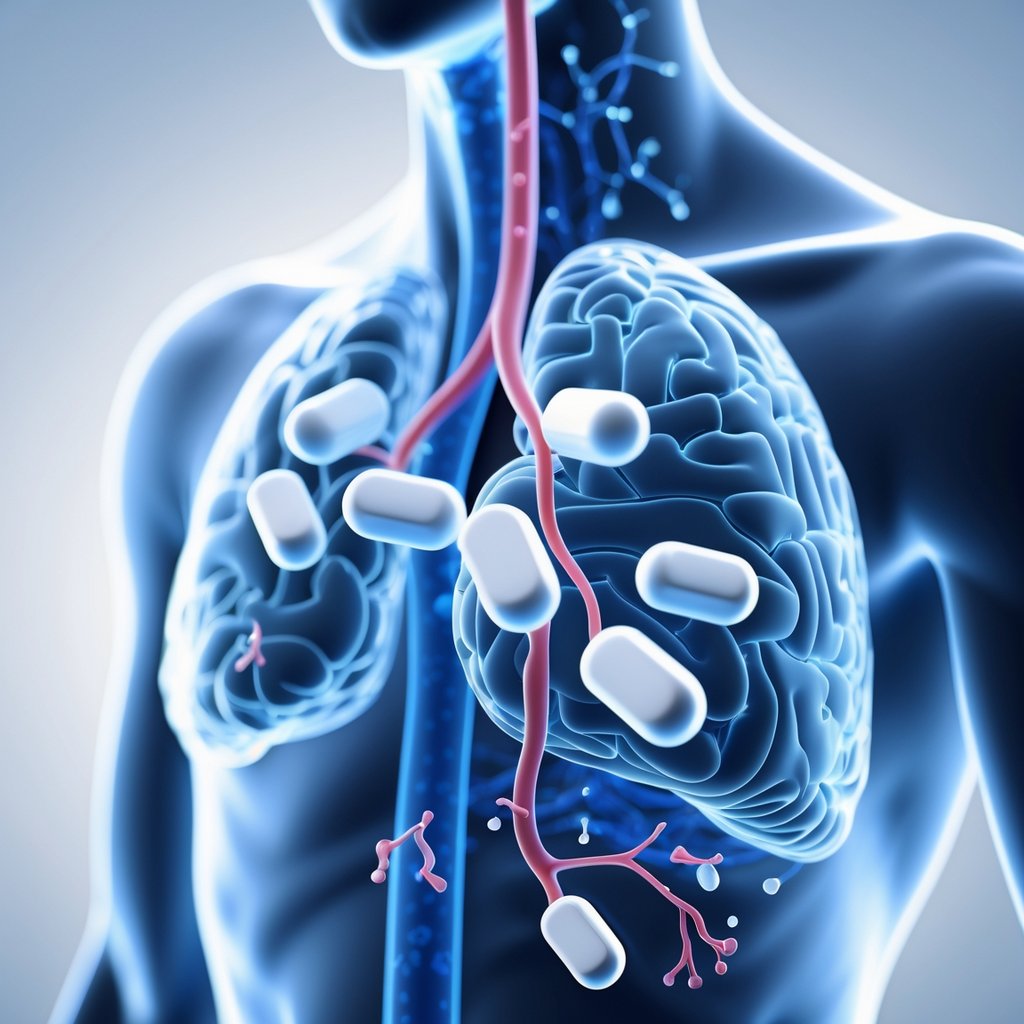
Vyvanse uses a prodrug system, converting into active medication inside your body. It transforms into dextroamphetamine and l-lysine, increasing brain chemicals that help with focus and impulse control.
Prodrug Mechanism of Vyvanse
Vyvanse contains lisdexamfetamine dimesylate, which is inactive when swallowed. Your body must break it down before it can work.
Enzymes in your blood and tissues convert lisdexamfetamine into its active form at a steady rate. The half-life of lisdexamfetamine is less than one hour, and it disappears from your system within 8 hours.
The prodrug design offers a smoother onset, more consistent medication levels, and a lower potential for misuse.
Conversion to Dextroamphetamine and L-lysine
Once in your bloodstream, lisdexamfetamine splits into dextroamphetamine and l-lysine. Dextroamphetamine treats your symptoms, while l-lysine is an amino acid used by your body.
The conversion happens through enzymatic processes in your red blood cells. This breakdown occurs at a steady, unchangeable rate.
Dextroamphetamine has a half-life of about 12 hours. It takes about five half-lives—roughly 60 hours—for most of the dextroamphetamine to clear out.
Central Nervous System Effects
Dextroamphetamine acts as a central nervous system stimulant. It increases dopamine and norepinephrine in your brain, improving attention and impulse control.
Your kidneys eliminate dextroamphetamine. If you have kidney disease, your doctor may adjust your dose.
The effects of Vyvanse begin 1.5 to 2 hours after dosing. It continues working throughout the day, with effects lasting up to 14 hours for some people.
How Long Vyvanse Stays in Your System
Vyvanse clears from your body in about 2.5 days. Detection times vary depending on the test type and your individual metabolism.
Time to Elimination
Your body needs roughly 60 hours to eliminate most of the Vyvanse. The inactive lisdexamfetamine has a half-life of less than one hour and becomes undetectable within 8 hours.
Dextroamphetamine, the active form, has a half-life of about 12 hours. Most of it clears out in around 60 hours, or 2.5 days.
Detection Windows by Test Type
Drug tests can detect Vyvanse for different lengths of time:
- Urine tests: Up to 3 days after your last dose
- Blood tests: Less than 24 hours
- Hair tests: Up to 2 weeks
Urine tests are most common. Blood tests have the shortest window, while hair follicle tests detect the drug the longest.
Factors That Affect Clearance
Your kidneys handle most of Vyvanse’s elimination. Kidney disease slows this process, so dosing may need adjustment.
Other factors include age, body weight, genetics, other medications, and overall health. Liver function, hydration, and urine pH can also influence elimination speed.
Duration and Effectiveness: How Long Does Vyvanse Last
Vyvanse provides symptom relief for most of your waking day, typically lasting 10 to 14 hours in adults. Its gradual activation creates a smooth curve of effectiveness from morning through late afternoon.
Onset of Action
Vyvanse doesn’t work immediately. Most people notice effects within 1.5 to 2 hours after taking their dose.
The gradual onset creates a smoother experience compared to immediate-release stimulants.
Peak Effects
Vyvanse reaches peak concentration about 3.5 to 4 hours after dosing. During this time, you’ll likely experience maximum focus, best impulse control, and peak reduction in ADHD symptoms.
The peak period lasts for several hours, providing sustained symptom control.
Therapeutic Duration
Vyvanse lasts 10 to 14 hours for most adults with a single morning dose. Duration varies based on age, metabolism, body weight, and dosage.
You’ll notice effects gradually decrease in the late afternoon or evening. Some people feel effects diminish around 6 to 8 hours after dosing, while others maintain control for the full 12 to 14 hours.
The medication’s effectiveness window is shorter than how long it remains detectable in your system.
Vyvanse for ADHD and Binge Eating Disorder
Vyvanse treats ADHD in people ages 6 and older, and binge eating disorder in adults. It’s a long-acting stimulant taken once daily in the morning.
Vyvanse and ADHD Treatment
Vyvanse is an ADHD medication that improves attention and reduces hyperactivity throughout the day. You take it once in the morning, and it starts working within 1.5 to 2 hours.
In children (ages 6-12):
- Effects last from morning through early evening
- Parents notice improvements throughout the school day
For adults:
- Attention improves at 2 hours after dosing
- Effects can remain strong up to 14 hours post-dose
Doctors usually start with a lower dose and adjust as needed. The extended-release formula means you take only one dose a day, unlike shorter-acting ADHD medications.
Vyvanse for Binge Eating Disorder
Vyvanse is the only FDA-approved medication specifically for moderate to severe binge eating disorder in adults. It helps reduce the number of days you experience binge episodes each week.
Results for binge eating disorder take longer than for ADHD. You may need up to 12 weeks to see significant improvement.
Long-term studies show effectiveness for at least 38 weeks. The medication helps control urges to binge eat.
Doctors track your “binge days”—days with at least one binge episode—to measure progress. Consistent daily use produces the best results.
Vyvanse is not approved for weight loss. Using it solely for weight reduction can cause serious cardiovascular problems.
Common Vyvanse Side Effects and Warnings
Vyvanse can cause both immediate reactions and longer-term health concerns that require monitoring. Most people experience mild side effects when starting the medication, while serious complications are rare but require attention.
Short-Term Side Effects
Common side effects when starting Vyvanse or adjusting your dose include loss of appetite, weight loss, trouble sleeping, and dry mouth. Nausea, vomiting, stomach pain, jitteriness, anxiety, fast heart rate, dizziness, and headaches are also possible.
These effects often improve as your body adjusts. Taking Vyvanse in the morning can help reduce sleep problems.
Call your doctor immediately if you experience chest pain, trouble breathing, or allergic reactions like hives or swelling of your face or throat. Warning signs needing urgent attention include hallucinations, new aggressive behavior, unexplained wounds on fingers or toes, or feeling faint.
Long-Term Concerns
Vyvanse carries a high risk of abuse and dependence because it’s a stimulant. Never share your prescription, and your doctor will monitor for misuse.
Children taking Vyvanse may experience slowed growth, so height and weight are tracked at each visit. Blood circulation problems can develop, causing numbness, pain, or color changes in fingers and toes.
Vyvanse can worsen existing mental health conditions or trigger new ones. Tell your doctor if you or your child has a history of depression, bipolar disorder, or psychosis.
The medication may cause new or worsening symptoms like paranoia, aggression, or unusual thoughts. Your doctor might check your blood pressure and heart function regularly, as stimulants have caused stroke, heart attack, and sudden death in people with heart problems.
Vyvanse Addiction and Dependence
Vyvanse is a Schedule II controlled substance with a high risk for abuse and dependence. Addiction can develop even when taken as prescribed, and misuse increases this risk.
Risk of Addiction
Vyvanse contains lisdexamfetamine, which converts to dextroamphetamine in the body. This central nervous system stimulant has serious addiction potential.
Regular use increases dopamine and norepinephrine in the brain, affecting the reward system. Over time, your brain may rely on the medication to function normally.
Risk factors for Vyvanse addiction include a personal or family history of substance abuse, taking higher doses than prescribed, using it without a prescription, or combining it with alcohol or other drugs.
The FDA classifies Vyvanse as a Schedule II controlled substance because of its high abuse potential. Even people taking it for legitimate medical reasons like ADHD or binge eating disorder can develop dependence.
Signs of Vyvanse Misuse
You might be misusing Vyvanse if you take it differently than prescribed or without a prescription. Common signs include taking larger doses, using it more frequently, or crushing and snorting the pills.
Physical signs of misuse include rapid weight loss and trouble sleeping. Increased heart rate and high blood pressure are also warning signs.
You might notice anxiety, restlessness, or mood swings. Behavioral changes can be telling as well.
Red flags include asking for early refills or getting prescriptions from multiple doctors. Taking Vyvanse to stay awake or lose weight, rather than to treat ADHD, is another sign.
Feeling unable to function without the medication is concerning. Worrying excessively about running out or spending significant time thinking about your next dose also points to misuse.
If you’re concerned about passing a drug test for Vyvanse, this often signals inappropriate use.