
Lamotrigine is a widely prescribed medication for epilepsy and bipolar disorder. While it doesn’t have strict dietary restrictions, what you eat can still influence its effects.
There are no known direct food-drug interactions with lamotrigine. However, certain foods and beverages may worsen side effects, trigger symptoms of your condition, or affect how your body processes the medication.

Many patients wonder if their morning coffee, weekend drink, or favorite snacks might interfere with their treatment. The relationship between lamotrigine and diet isn’t about strict prohibitions, but about making informed choices that support your therapy.
This guide explains the science behind lamotrigine metabolism, highlights specific foods and drinks that warrant caution, and clarifies why consistency in your eating habits matters. We’ll also offer tips on what to eat to support your treatment.
How Lamotrigine Works and Why Diet Matters
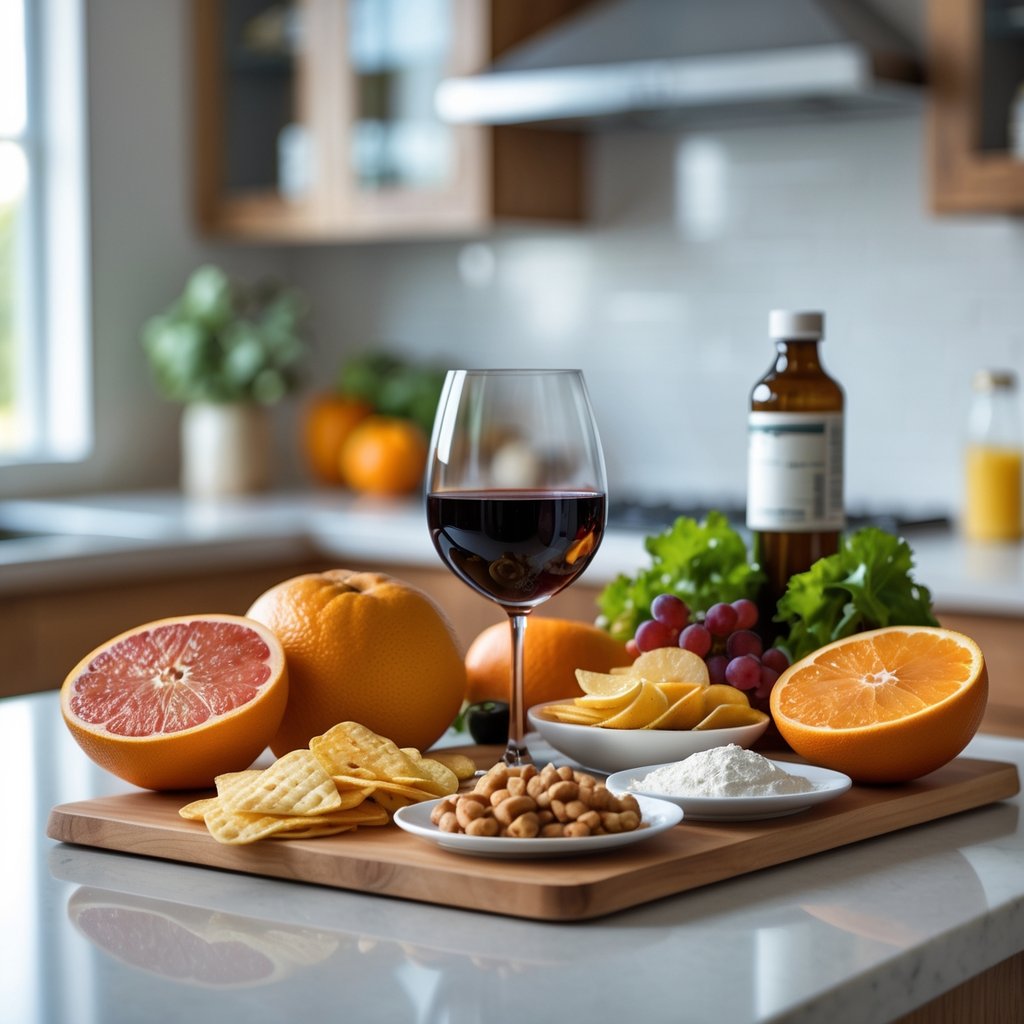
Lamotrigine’s effectiveness depends on stable levels in your bloodstream. What you eat can shift those levels unexpectedly.
The way your body absorbs and processes this anticonvulsant creates points where diet becomes more than just nutrition.
Mechanism of Action
Lamotrigine (brand name Lamictal) blocks voltage-gated sodium channels in the brain. This stabilizes electrical activity in neurons and reduces abnormal firing that leads to seizures or mood episodes.
It also modulates the release of excitatory neurotransmitters like glutamate, calming overactive neural circuits.
Your liver processes lamotrigine mainly through glucuronidation. The drug reaches peak concentration in your blood within 1 to 3 hours and has a half-life of roughly 25 to 30 hours in most adults.
This extended half-life means steady dosing is important. Maintaining consistent lamotrigine levels is key for seizure and mood stability.
Impact of Food on Lamotrigine Absorption
High-fat meals can slow the absorption of lamotrigine, though they don’t usually reduce the total amount absorbed. Grapefruit can interfere with liver enzymes that metabolize many medications, including lamotrigine, and may alter metabolism rates.
Key dietary factors:
- Timing of meals: Take lamotrigine with or without food consistently each day.
- Fat content: Heavy, fatty meals delay peak concentration.
- Herbal supplements: St. John’s Wort can accelerate metabolism, lowering blood levels.
We recommend consistent eating patterns so your body processes lamotrigine predictably.
Consequences of Fluctuating Lamotrigine Levels
If lamotrigine levels drop too low, breakthrough seizures or mood instability can occur. High levels can cause dizziness, drowsiness, blurred vision, nausea, or coordination issues.
Unstable levels may lead to:
- Loss of seizure control
- Mood swings in bipolar disorder
- Increased side effects like headaches and fatigue
- Higher risk of the rare but serious skin rash associated with lamotrigine
Small changes in diet or routine can push lamotrigine levels outside the optimal range. Consistency in medication timing and eating habits is crucial.
Grapefruit and Citrus: Powerful Enzyme Blockers

Grapefruit and some citrus fruits contain compounds that interfere with liver enzymes responsible for breaking down lamotrigine. This can increase drug levels in your bloodstream, raising the risk of side effects.
Grapefruit and Grapefruit Juice
Grapefruit contains furanocoumarins that block CYP3A4 enzymes in the liver. These enzymes help metabolize lamotrigine and many other medications.
Consuming grapefruit or its juice can cause lamotrigine levels to spike, increasing the chance of drowsiness, dizziness, nausea, or coordination problems.
This applies whether you eat fresh grapefruit or drink the juice. Even one glass of juice can affect enzyme activity for up to 24 hours.
We recommend avoiding grapefruit while taking lamotrigine.
Safe alternatives:
- Oranges
- Mandarins
- Apples
- Berries
- Pears
Citrus Fruits and Metabolism Risk
Oranges and mandarins don’t contain significant amounts of enzyme-blocking compounds and are generally safe. Some sources suggest limiting lemons and limes, not because of enzyme interaction, but due to their acidity, which may trigger symptoms in sensitive individuals.
Star fruit is particularly dangerous for people with epilepsy or kidney problems due to a neurotoxin that can increase seizure risk.
Focus on non-citrus fruits for daily consumption. If you want citrus flavor, stick with oranges or mandarins in moderation.
Alcohol and Central Nervous System Effects
Drinking alcohol while taking lamotrigine can intensify nervous system side effects and create safety concerns. The combination affects brain function and increases risks beyond those of a typical drink.
Alcohol and Lamotrigine
Alcohol and lamotrigine both affect the central nervous system, amplifying each other’s effects. Alcohol acts as a depressant, while lamotrigine stabilizes electrical signals in nerve cells.
Key interactions:
- Impaired coordination and motor skills
- Difficulty concentrating
- Reduced judgment
- Slowed reaction times
For people taking lamotrigine to prevent seizures, alcohol lowers the seizure threshold, increasing the risk of breakthrough seizures.
Drowsiness and Safety Risks
Drowsiness is a common and potentially dangerous effect when alcohol and lamotrigine are combined. This level of sedation can make driving and operating machinery unsafe.
Dizziness often accompanies drowsiness, increasing the risk of falls, especially in older adults or those with balance issues.
The sedating effects persist because:
- Both substances remain active for hours
- The liver processes both simultaneously, prolonging their effects
Sugary Foods, Artificial Sweeteners, and Seizure Threshold
High-sugar foods and artificial sweeteners like aspartame may lower seizure threshold in people taking lamotrigine, potentially increasing seizure risk.
Sugary Foods and Drinks
Foods high in sugar can destabilize blood sugar levels, which is important for those managing epilepsy with lamotrigine. Rapid blood sugar spikes and crashes may increase seizure susceptibility.
Foods to limit or avoid:
- Candy and chocolate bars
- Regular sodas and energy drinks
- Baked goods like cookies and pastries
- Sweetened cereals
- Ice cream and frozen desserts
Low glycemic index foods—those that release sugar slowly—are safer choices. Focus on whole grains, vegetables, and fruits with lower sugar content to help reduce seizure frequency.
Aspartame and Diet Sodas
Aspartame, found in diet sodas, sugar-free gum, and many “diet” products, has been linked to neurophysiological effects that could be problematic for seizure management. Some studies suggest it may lower the seizure threshold.
Check ingredient labels carefully, as aspartame can be present in many processed foods and drinks.
High-Fat, Refined, and Tyramine-Rich Foods
Certain food categories can interfere with lamotrigine’s effectiveness through blood sugar spikes, slowed absorption, or increased blood pressure.
Refined Grains and Blood Sugar
Refined grains, such as white bread, pasta, and rice, digest quickly and cause rapid blood sugar spikes. This can destabilize mood in people with bipolar disorder and may increase seizure risk for those with epilepsy.
Refined grain products to limit:
- White bread and sandwich rolls
- Regular pasta
- White rice
- Crackers made with white flour
- Pastries and cakes
- Chips and pretzels
Switch to whole grains like brown rice, quinoa, steel-cut oats, and whole wheat products for steadier energy and better support for mood and seizure control.
High-Fat and Saturated Fat Foods
High-fat meals slow stomach emptying, delaying lamotrigine absorption. Saturated fats from fatty meats, full-fat dairy, butter, and fried foods can cause the most significant delays and promote inflammation, potentially affecting brain health.
Focus on healthy fats from avocados, olive oil, nuts, seeds, and fatty fish like salmon. These support brain function without interfering with lamotrigine absorption.
Keep portions moderate and balance healthy fats with lean proteins and complex carbohydrates.
Tyramine-Rich Foods and High Blood Pressure
Tyramine is a compound that forms when proteins break down during aging, fermentation, or curing. Tyramine-rich foods can trigger neurological symptoms and may affect lamotrigine levels.
Aged cheeses like cheddar, stilton, Swiss, and parmesan contain high amounts of tyramine. Cured meats such as salami, pepperoni, and bacon also accumulate significant tyramine during processing.
High-tyramine foods to watch:
- Aged and fermented cheeses
- Cured, smoked, or processed meats
- Fermented vegetables (sauerkraut, kimchi)
- Soy sauce and miso
- Yeast extracts
Tyramine can contribute to high blood pressure and trigger severe headaches or migraines. For those taking lamotrigine, these effects are especially concerning.
Fresh, unaged cheeses like mozzarella, cream cheese, and ricotta contain minimal tyramine and are safer alternatives.
Supplements, Herbs, and Special Diets
Certain herbal supplements can alter how your body processes lamotrigine. Specialized diets may also affect the medication’s stability in your bloodstream.
Herbal Supplements and Enzyme Activity
St. John’s Wort is especially problematic with lamotrigine. This herbal supplement acts as a potent enzyme inducer in the liver, speeding up lamotrigine metabolism and potentially reducing its effectiveness.
Other herbs to watch for include:
- Ginseng may interfere with lamotrigine interactions
- Guarana can exacerbate side effects
- Garcinia cambogia poses interaction risks
If you’re taking herbal products, discuss them with your healthcare provider. They can determine if a supplement might interfere with lamotrigine or increase seizure risk.
Ketogenic and Specialized Diets
The ketogenic diet can affect lamotrigine levels and may increase seizure risk in some cases. The shift in nutrient processing can alter drug metabolism unpredictably.
Some patients benefit from specialized diets, but always consult your healthcare provider before starting any restrictive eating plan while on lamotrigine. Your doctor can monitor drug levels and adjust dosages as needed.
Best Practices for Consistency and Monitoring Side Effects
Taking lamotrigine at consistent times and monitoring reactions helps maintain stable drug levels. Pairing medication timing with your eating routine can improve adherence.
Timing Medication with Meals
Take lamotrigine at the same time each day, with or without food. Consistency is key.
If you take it with breakfast, stick to that schedule. Bedtime dosing works too, as long as you’re consistent.
Some find a light snack, like toast or crackers, reduces nausea without affecting absorption. Avoid high-fat meals, which can slow absorption and delay the medication’s effects.
Use reminders or a pill organizer to keep your schedule. Missing doses or taking them at irregular times can lead to breakthrough seizures or mood instability.
Recognizing and Managing Side Effects
Common lamotrigine side effects include dizziness, drowsiness, headache, nausea, and blurred vision. These often appear when starting treatment or after dose increases and usually fade within weeks.
Keep a log of what you eat and any symptoms you experience. This can help identify if certain foods worsen side effects.
Watch for warning signs needing immediate attention:
- Skin rashes (especially in the first eight weeks)
- Severe dizziness or coordination problems
- Unusual mood changes or increased anxiety
- Persistent nausea or vomiting
Contact your healthcare provider if side effects worsen after eating specific foods or if new symptoms develop. Never stop lamotrigine suddenly without medical guidance.
Recommended Eating Habits and Foods that Support Lamotrigine Therapy
Balanced whole foods and proper hydration help lamotrigine work more effectively. These habits support stable drug levels and reduce side effect risks.
Balanced Meals and Whole Foods
Build meals around unrefined grains like brown rice, quinoa, oats, and barley. These provide steady energy and help maintain blood sugar levels.
Healthy fats are vital for brain function. Include:
- Fatty fish (salmon, mackerel, sardines)
- Walnuts and almonds
- Chia seeds and flaxseeds
- Avocados
- Olive oil
Lean proteins from chicken, turkey, eggs, and legumes should be regular staples. Pair with vegetables like leafy greens, broccoli, and bell peppers to support neurological health.
Fresh fruits such as apples, berries, bananas, and pears offer antioxidants without the risks associated with grapefruit. Non-citrus options are generally safer.
Whole grains help prevent blood sugar spikes that can worsen mood swings and energy crashes. Stability in your diet supports stability in your treatment.
Staying Hydrated and Avoiding Dehydration
Drinking enough water throughout the day is essential. Dehydration can worsen lamotrigine side effects like dizziness, headaches, and difficulty concentrating.
Plain water is best. Aim for 8-10 glasses daily, though your needs may vary with activity level and climate.
Herbal teas such as chamomile or peppermint offer variety without caffeine. Coconut water provides natural electrolytes.
Fruit-infused water adds flavor without added sugar. Both options are helpful if you find plain water unappealing.
Watch for dehydration signs: dark urine, dry mouth, fatigue, or increased dizziness. These symptoms can overlap with medication side effects, making it important to stay consistently hydrated.