
Gabapentin is a medication doctors prescribe for nerve pain, seizures, and other conditions. Many people take it safely every day, but taking too much can cause serious problems.
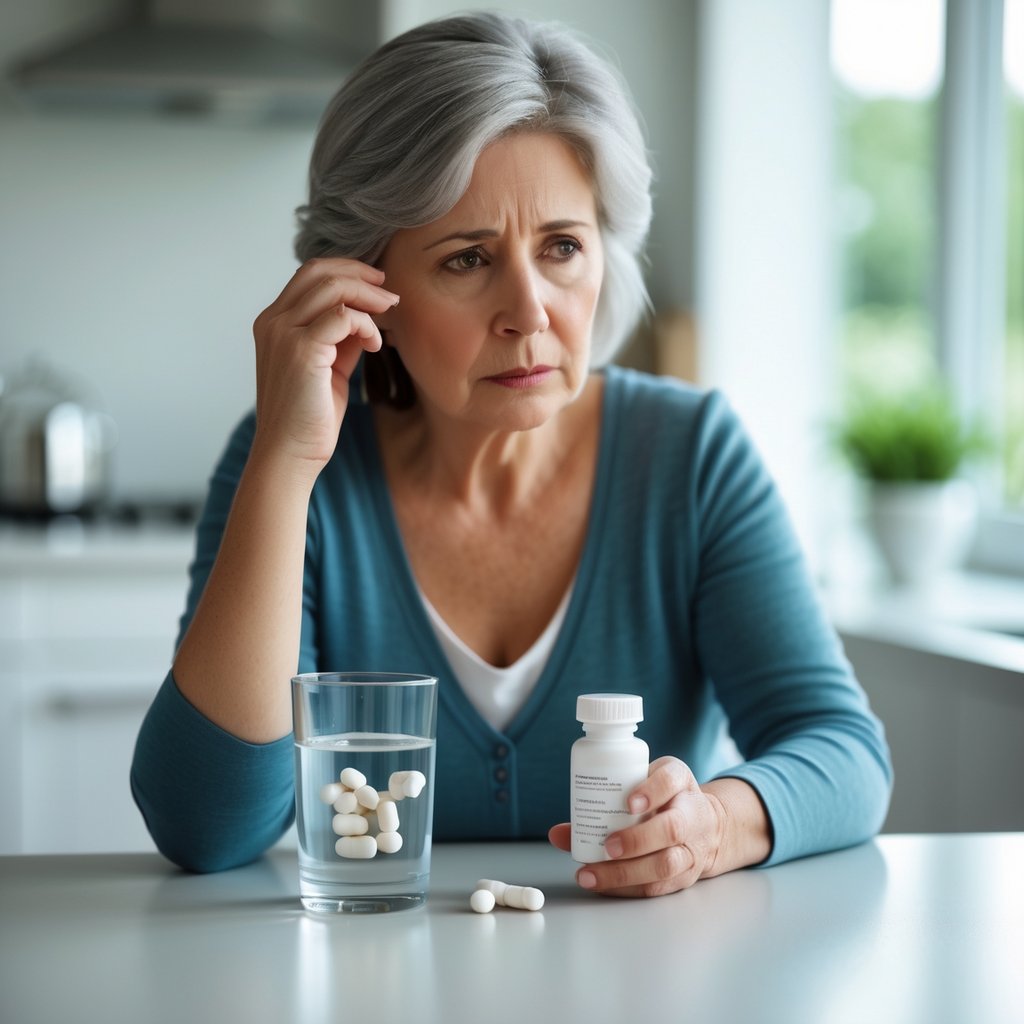
Yes, you can overdose on gabapentin, though fatal overdoses are rare. Taking more than your prescribed dose can lead to dangerous symptoms. Most overdoses happen when people take extremely high amounts or mix gabapentin with other drugs or alcohol.
Can You Overdose on Gabapentin?
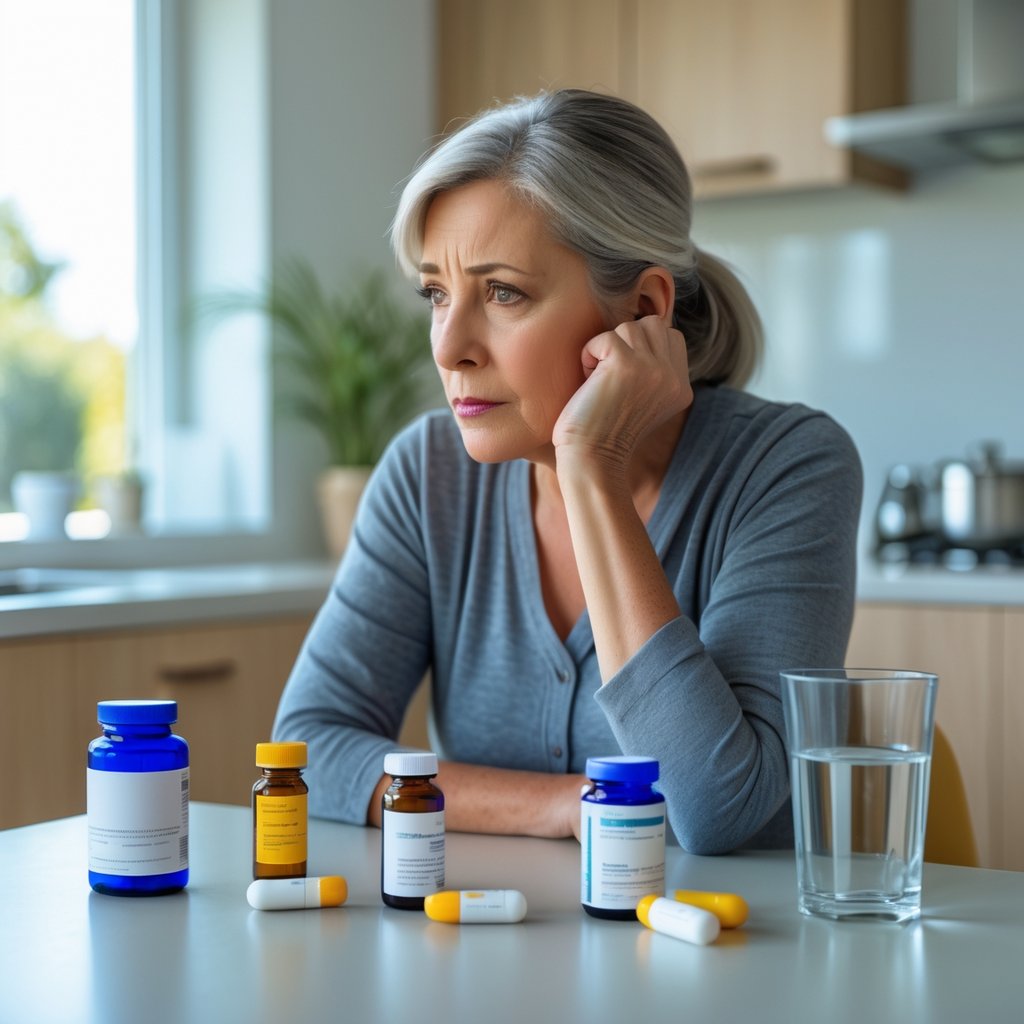
Yes, you can overdose on gabapentin, though it’s harder to do than with many other medications. The risk increases dramatically when you mix gabapentin with substances like opioids or alcohol.
How Much Gabapentin Is Too Much?
Gabapentin overdose rarely leads to death when taken alone. Even at high doses, most people experience only mild to moderate symptoms. Only two peer-reviewed cases have documented deaths from gabapentin toxicity by itself.
Most overdose cases involve doses far above what doctors prescribe. Typical prescriptions range from 300mg to 3,600mg per day, split into multiple doses.
Common overdose symptoms include:
- Extreme drowsiness and lethargy
- Muscle weakness
- Drooping eyelids
- Diarrhea
- Slurred speech
- Double vision
These symptoms occur because gabapentin slows down brain activity. It’s designed to prevent seizures by calming overactive nerve signals, but too much amplifies this effect throughout your body.
Risk of Overdose With Other Substances
Polydrug use makes gabapentin far more dangerous. Combining gabapentin with opioids, alcohol, or sedatives increases overdose risk significantly.
Opioids paired with gabapentin can dangerously suppress breathing and heart rate. Studies show that people who mix gabapentin with opioids face much higher overdose death rates.
Alcohol amplifies gabapentin’s sedative effects and can cause severe respiratory depression. Prescription benzodiazepines like Xanax or Valium also become more hazardous when mixed with gabapentin.
Substances that increase overdose risk:
- Opioids (heroin, fentanyl, prescription painkillers)
- Alcohol
- Benzodiazepines
- Other sedatives or muscle relaxers
If you take gabapentin, never combine it with these substances without direct medical supervision.
Gabapentin: Uses, Brands, and How It Works
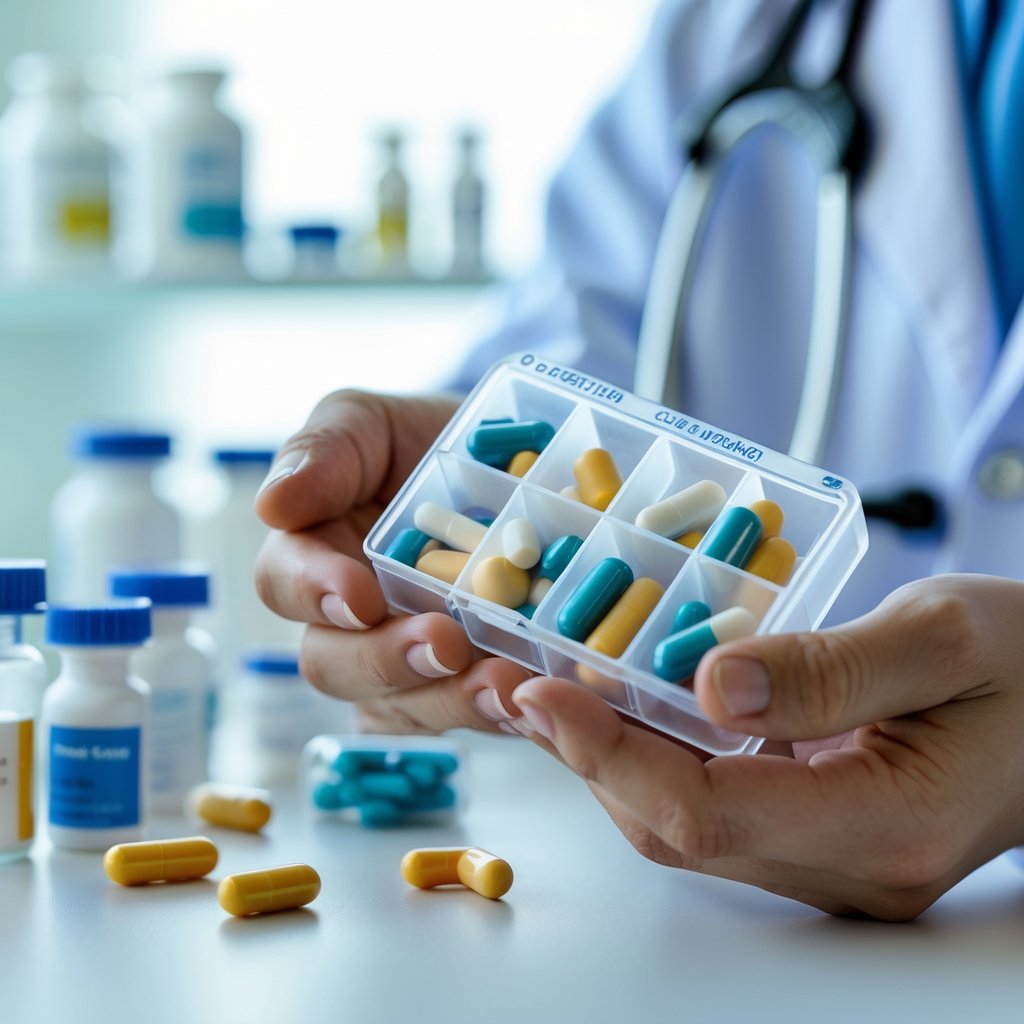
Gabapentin is a prescription medication that treats specific nerve-related conditions and seizure disorders. The drug comes in multiple brand-name versions, each approved for slightly different medical purposes.
Common Medical Uses
Doctors prescribe gabapentin for three main FDA-approved conditions. It helps control partial seizures in people with epilepsy, working alongside other seizure medicines for patients aged 3 and older.
Gabapentin also treats postherpetic neuralgia, a nerve pain condition following shingles. The third approved use is for moderate-to-severe restless legs syndrome, which causes uncomfortable sensations and an urge to move the legs at night.
Doctors sometimes prescribe gabapentin for off-label uses, including fibromyalgia, headaches, and hot flashes.
Popular Brand Names
Neurontin is the most common brand name for gabapentin, treating both postherpetic neuralgia and partial seizures. Gralise only treats postherpetic neuralgia and uses a different release formula. Horizant contains gabapentin enacarbil, an extended-release form for restless legs syndrome and postherpetic neuralgia.
These brands are not interchangeable. Each has different pharmacokinetic profiles, so use only the specific brand your doctor prescribes.
Effects on the Nervous System
Gabapentin works on the chemical messengers in your brain and nerves. It belongs to a drug class called anticonvulsants and functions as a gamma-aminobutyric acid analog.
The medication affects how your nervous system processes pain signals and seizure activity. It controls seizures and relieves nerve pain by calming overactive electrical signals in the brain.
Gabapentin Overdose Symptoms
When you take too much gabapentin, your body shows warning signs through physical symptoms and mental changes. The severity depends on the dose and whether you mixed it with other substances.
Physical Signs of Overdose
Your body reacts to excess gabapentin with visible symptoms. Drowsiness and lethargy are the most common, making you feel extremely tired or unable to stay awake.
Slurred speech may develop as the overdose progresses. Muscle weakness and poor coordination are also common.
Some people develop drooping eyelids and blurred or double vision. Digestive problems like diarrhea can occur, though less frequently.
Severe cases can involve:
- Double vision
- Rapid or irregular heartbeat
- Low blood pressure
- Difficulty breathing
- Loss of consciousness
Cognitive and Behavioral Changes
Gabapentin overdose can cause confusion and disorientation. Sedation may become so severe that you have trouble staying alert or thinking clearly.
Some people experience agitation instead of calmness, becoming restless or anxious. Memory problems can develop quickly, making it hard to recall recent events.
Symptoms Worsened by Other Drugs
Mixing gabapentin with substances like opioids, benzodiazepines, or alcohol creates much more dangerous symptoms. Sedation and drowsiness become extreme.
Breathing problems are a serious risk with drug combinations. Breathing may slow to dangerous levels or stop completely, which is why mixed overdoses can be fatal.
Central nervous system depression increases dramatically with multiple substances. You’re more likely to lose consciousness, and treatment becomes more difficult.
Gabapentin Toxicity: When Safe Use Turns Dangerous
Gabapentin toxicity happens when the drug builds up in your body to harmful levels, even if you follow your prescription. Your kidneys process this medication, so problems arise when they can’t clear it fast enough or when you combine it with other substances.
What Is Gabapentin Toxicity?
Toxicity occurs when gabapentin accumulates in your system beyond safe levels. This isn’t always about taking too many pills at once.
If your kidneys aren’t working properly, the drug stays in your system longer. This creates a buildup that can cause problems even at normal prescribed doses.
Symptoms of toxicity mirror those of an overdose:
- Extreme drowsiness or sedation
- Confusion and disorientation
- Slurred speech
- Loss of balance and coordination
- Double or blurred vision
Severe cases can lead to dangerously slow breathing, unconsciousness, or coma. The line between safe use and toxicity is especially thin when other medications or alcohol are involved.
Factors That Increase Toxicity Risk
Your risk of gabapentin toxicity increases when you mix it with other central nervous system depressants. Opioids, benzodiazepines, and alcohol amplify each other’s effects on your brain and breathing.
Kidney problems make you particularly vulnerable. Even small doses can become toxic when your kidneys can’t filter the medication properly. Older adults face higher risks because kidney function naturally declines with age.
High-risk situations include:
- Taking gabapentin with prescription painkillers
- Drinking alcohol while on gabapentin
- Having chronic kidney disease
- Being over 65 years old
- Using higher doses than prescribed
Pre-existing respiratory conditions like COPD make your lungs more sensitive to gabapentin’s effects. Misusing gabapentin, such as crushing pills or taking them more frequently than directed, dramatically increases your chances of toxic effects.
Who Faces Higher Overdose Risks?
Certain groups face a much higher risk of overdose when taking gabapentin. Kidney function, age, and how you take the medication all play major roles in your safety.
Kidney and Liver Conditions
Your kidneys remove gabapentin from your body. If you have kidney problems, the drug stays in your system longer, leading to toxic levels even at normal doses.
People with renal impairment need lower doses and longer gaps between pills. Doctors should adjust your prescription based on kidney function tests.
Kidney disease slows gabapentin elimination, allowing the medication to accumulate over days or weeks. Symptoms can appear suddenly as the drug reaches dangerous blood levels.
If you’re on dialysis, timing matters. Dialysis removes gabapentin, so doses must be scheduled around your treatment sessions.
Age and Other Health Factors
Elderly patients face the highest risk of gabapentin toxicity. Kidney function naturally declines with age.
Older adults often take multiple medications. Combining gabapentin with other central nervous system depressants—such as opioid pain medications, benzodiazepines, sleep medications, or alcohol—increases overdose risk.
Pre-existing respiratory conditions make overdose more dangerous, as gabapentin can further slow breathing. A history of substance use disorders also raises risk, especially if gabapentin is combined with other substances.
Dosing Mistakes and Frequency
Taking higher than prescribed doses increases overdose risk. Some people taking gabapentin for off-label uses may take high amounts without proper supervision.
Rapid titration can cause problems. Your body needs time to adjust to gabapentin, so increasing your dose too quickly is risky.
Missing doses and then doubling up creates dangerous spikes in drug levels. Never take extra pills to make up for forgotten doses; stick to your prescribed schedule.
Preventing and Responding to Gabapentin Overdose
Reduce your overdose risk by following prescribed doses carefully and avoiding combinations with other drugs. Quick action and proper medical treatment during an overdose can save lives.
Safe Gabapentin Use Tips
Take gabapentin exactly as prescribed by your doctor. Never increase your dose without medical approval.
Keep a record of when you take each dose to avoid accidental double-dosing. This simple step can prevent common medication errors.
Important safety practices include:
- Store medication in its original container with clear labeling.
- Never share gabapentin with others.
- Inform your doctor about all other medications, including over-the-counter drugs.
- Avoid alcohol while taking gabapentin.
- Do not combine gabapentin with opioids or benzodiazepines unless specifically directed.
Kidney function is crucial when taking gabapentin. If you have kidney problems, your body may not clear the drug properly, leading to dangerous buildup.
Tell your doctor about any kidney issues before starting gabapentin. Watch for early warning signs like unusual drowsiness or dizziness, which could indicate your dose is too high.
Immediate Actions During Overdose
Call 911 immediately if you suspect a gabapentin overdose. Do not wait to see if symptoms worsen.
Stay with the person until help arrives. Monitor their breathing and keep them awake if possible.
If the person is unconscious, turn them on their side to prevent choking.
Do not attempt these actions:
- Inducing vomiting
- Giving food or water
- Administering home remedies or other medications
Tell emergency responders what was taken, how much, and when. Bring the medication bottle if available.
Mention any other drugs or alcohol the person may have used. If breathing becomes very slow or stops, CPR may be necessary, and emergency dispatchers can guide you over the phone.
What to Expect in Emergency Treatment
Medical staff will focus on keeping airways open and breathing stable. Supplemental oxygen may be given if needed.
Activated charcoal may be used if the overdose occurred recently, usually within an hour. It binds to gabapentin in the stomach to prevent further absorption.
For severe cases or those with kidney problems, hemodialysis can rapidly remove gabapentin from the blood. This is faster than waiting for the body to process the drug naturally.
Hospital staff will monitor vital signs continuously, checking heart rate, blood pressure, oxygen levels, and consciousness. IV fluids may be given to support recovery.
If opioids were taken alongside gabapentin, naloxone may be administered. While naloxone doesn’t reverse gabapentin effects directly, it can counteract opioid overdose symptoms.
Gabapentin Misuse, Abuse, and Addiction
Gabapentin misuse poses serious health risks. Some people take more than prescribed, combine it with other substances, or use it without medical supervision, leading to dependence and addiction.
What Counts as Gabapentin Misuse?
Gabapentin misuse includes taking higher doses than directed, using someone else’s prescription, or taking it more frequently than recommended.
Some misuse involves exceeding the standard maximum dose of 600 mg three times per day. Others might crush and snort the pills or dissolve them for injection, which is extremely dangerous.
Taking gabapentin without a prescription or combining it with other substances to enhance effects also counts as misuse. These behaviors raise the risk of severe side effects and overdose.
Gabapentin Abuse and Its Dangers
Gabapentin abuse has surged in recent years. People sometimes seek a calmer, mellower high than stronger substances provide.
The greatest danger comes from mixing gabapentin with other drugs, such as:
- Opioids like oxycodone or heroin
- Benzodiazepines such as Xanax or Valium
- Alcohol
Combining gabapentin with these substances dramatically increases overdose risk. Gabapentin is known to raise the risk of opioid and alcohol-related deaths.
Abuse can lead to dependence, making it extremely difficult to quit without help. Your body may start to require the drug just to function normally.
Is Gabapentin Addictive?
Yes, gabapentin is addictive. When first approved in 1993, its addiction risk was underestimated.
People with a history of psychiatric disorders or substance use problems are at especially high risk. Repeated use changes brain chemistry, creating physical and psychological dependence.
Withdrawal symptoms can occur when you try to stop, making quitting on your own very challenging.
Gabapentin is increasingly available on the streets through illegal diversion, highlighting the seriousness of the addiction problem.
Treating Gabapentin Addiction
Professional treatment programs offer support for overcoming gabapentin addiction. Evidence-based options are available for those struggling with gabapentin substance use disorder.
Treatment typically begins with medical supervision to manage withdrawal symptoms safely. Your body needs time to adjust as the drug leaves your system.
Recovery often involves individual counseling sessions. Group therapy provides valuable peer support.
Behavioral therapies help change unhealthy patterns. Treatment for co-occurring mental health conditions is also important.
Support programs add structure and accountability during recovery. If you’re misusing gabapentin or notice warning signs of addiction, reaching out to a healthcare professional or addiction specialist is a crucial first step.