
Dealing with muscle pain can disrupt daily life, and many people reach for both muscle relaxers and Tylenol to find relief. Mixing medications always raises an important question about safety and potential risks.
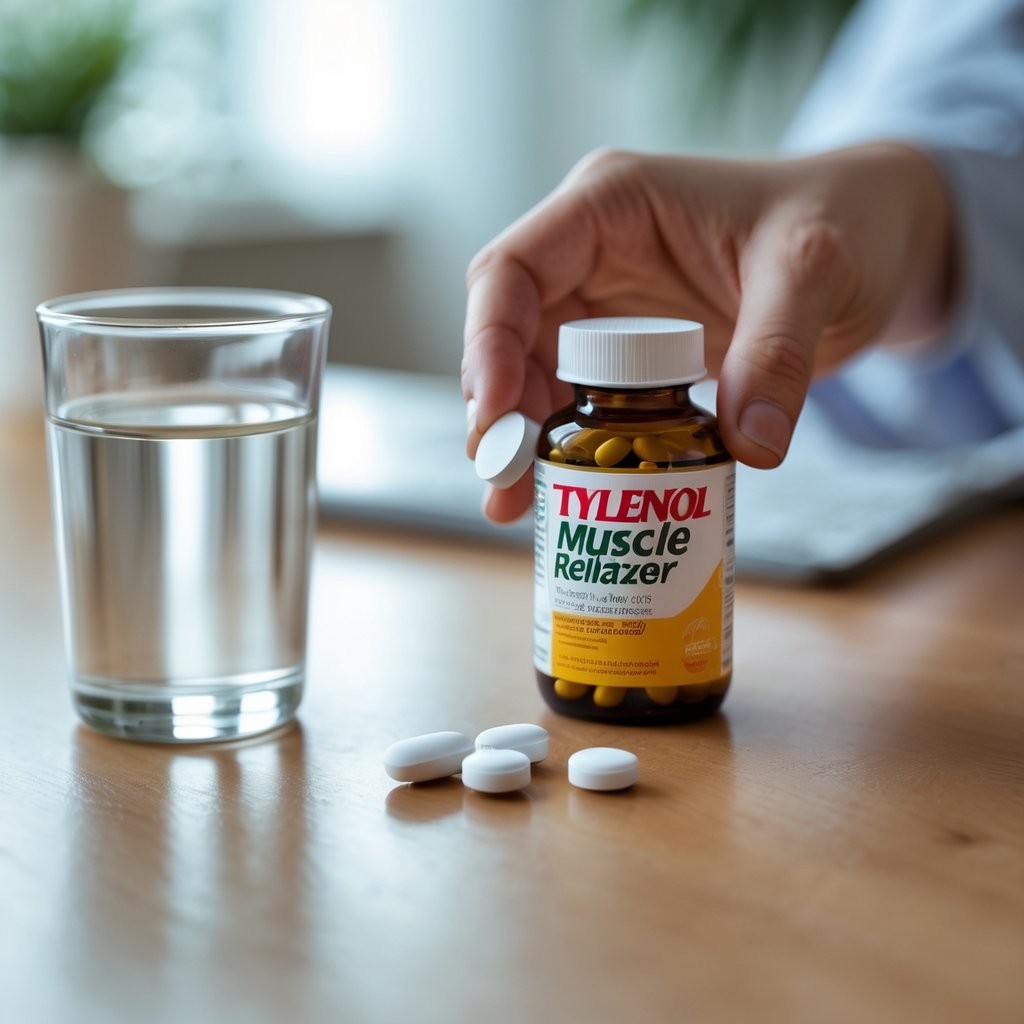
The good news: muscle relaxers can generally be taken with Tylenol, as these medications work through different mechanisms and do not directly interfere with each other. However, this combination requires careful consideration of individual health factors, proper dosing, and awareness of potential side effects.
In this article, we’ll explore how these medications work together, what safety precautions you need to follow, and which situations require extra caution. We’ll also cover important drug interactions, special considerations for different populations, and alternative options to help you make informed decisions about managing your pain.
Can You Take a Muscle Relaxer With Tylenol?

Most muscle relaxers can be taken safely with Tylenol (acetaminophen), though the specific combination depends on which muscle relaxer you’re using and your individual health status. While the medications generally don’t interact directly, combining them requires attention to dosing limits and potential side effects like drowsiness.
How This Medication Combo Works
Tylenol and muscle relaxers address pain through distinct pathways. Acetaminophen works primarily in the central nervous system to reduce pain signals and lower fever, though its exact mechanism is still debated.
Muscle relaxers like cyclobenzaprine, methocarbamol, or tizanidine reduce muscle spasms and tension, either through the brain and spinal cord or directly at muscle tissue. When combined, Tylenol handles the pain while the muscle relaxer addresses the underlying muscle tension or spasms.
This dual approach can be more effective than either medication alone for conditions like back strains or muscle injuries. The main concern is that both types of medications can cause drowsiness and dizziness, which may intensify when taken together.
Both are processed by the liver, so combining them increases the workload on this organ. For healthy adults using recommended doses, this typically isn’t problematic, but it matters for people with liver conditions or those taking multiple medications.
When to Consider Taking Both
Taking muscle relaxers with Tylenol makes sense for acute musculoskeletal injuries involving both pain and muscle spasms. This combination is often prescribed after car accidents, sports injuries, or sudden back strains.
Short-term use is ideal. A typical scenario might involve acetaminophen 650 mg every 6 hours for pain relief and cyclobenzaprine 5-10 mg at bedtime for muscle relaxation.
Consider this combination when:
- You have both muscle spasms and pain
- Single medications haven’t provided adequate relief
- You want to avoid or minimize opioid pain medications
- Your doctor has evaluated your liver function and other medications
This approach works particularly well for the first few days after an acute injury.
When to Avoid Combining Them
Certain situations make combining muscle relaxers and acetaminophen risky. Anyone with liver disease or compromised liver function should avoid this combination or use it only under close medical supervision.
Avoid combining these drugs if you’re taking other medications that cause drowsiness, including benzodiazepines, opioids, or sleep aids. The sedative effects can compound, leading to severe drowsiness, confusion, or breathing problems.
Avoid this combination if you:
- Have liver disease or elevated liver enzymes
- Are taking three or more CNS depressants
- Regularly consume alcohol (more than three drinks daily)
- Are over 65 without dosage adjustments
- Are pregnant or breastfeeding without medical approval
People who exceed recommended acetaminophen doses (over 3,000 mg daily for adults) should not add muscle relaxers without medical guidance. Some muscle relaxers already contain acetaminophen, making it easy to accidentally overdose. Always check medication labels and inform your healthcare provider about all medications and supplements you’re taking.
Understanding Muscle Relaxers
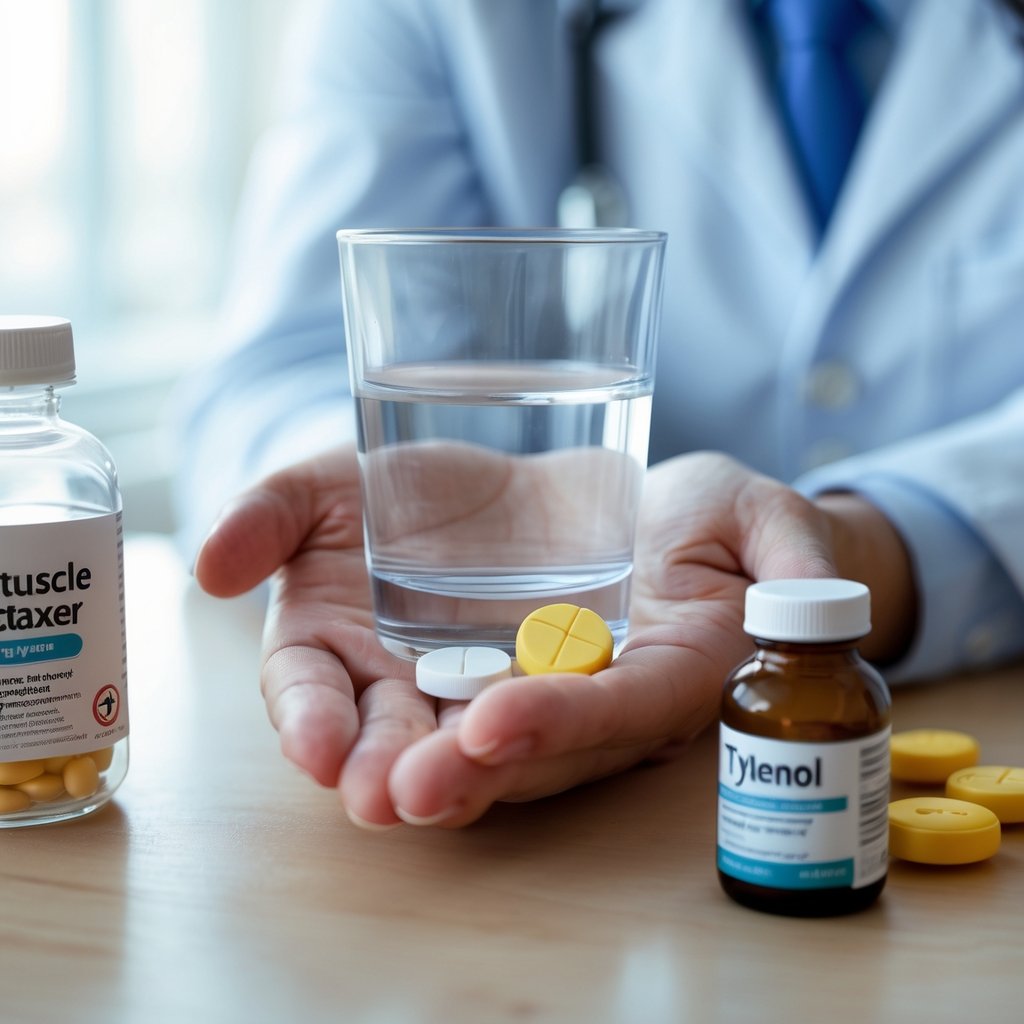
Muscle relaxers target the central nervous system to reduce muscle spasms and tension. These medications come in both prescription and over-the-counter forms, each with distinct mechanisms and uses.
Common Muscle Relaxers Prescribed
Cyclobenzaprine (Flexeril) is among the most frequently prescribed muscle relaxants. It acts on the brainstem to reduce muscle spasm associated with acute musculoskeletal conditions. Doctors typically prescribe 5-10 mg three times daily for short-term use.
Methocarbamol (Robaxin) is another common option. It depresses the central nervous system and comes in doses ranging from 500-1,500 mg up to four times daily. It tends to cause less drowsiness than some alternatives.
Carisoprodol (Soma) works differently by breaking down into meprobamate, a compound with sedative properties. Due to its potential for dependence, prescriptions usually limit use to two or three weeks. The standard dose is 250-350 mg three times daily and at bedtime.
Baclofen treats muscle spasticity related to conditions like multiple sclerosis or spinal cord injuries. Baclofen works on the spinal cord level and requires careful dose titration starting at 5 mg three times daily.
How Muscle Relaxers Affect the Body
These medications primarily work through central nervous system depression. They interrupt nerve signals between the brain and muscles that cause spasms.
Cyclobenzaprine shares structural similarities with tricyclic antidepressants. It reduces tonic motor activity affecting both alpha and gamma motor neurons, which explains its sedating side effects.
Most prescription muscle relaxants produce sedation by enhancing the effects of neurotransmitters like GABA (gamma-aminobutyric acid). This slows down brain activity and nervous system function. Patients often experience drowsiness, dizziness, and reduced coordination within 30-60 minutes.
The duration of effect varies by medication. Cyclobenzaprine has a half-life of 18 hours, meaning it stays in the system longer. Methocarbamol clears more quickly with a half-life of 1-2 hours. This difference affects dosing schedules and side effect profiles.
Prescription and Over-the-Counter Options
Prescription muscle relaxants require a doctor’s authorization and include all the medications discussed above. Healthcare providers prescribe these for acute back pain, neck strain, or neurological disorders causing spasticity.
Over-the-counter options are extremely limited. No true muscle relaxants are available without a prescription in the United States. Some people confuse pain relievers like acetaminophen or ibuprofen with muscle relaxants, but these work through different mechanisms.
Supplements marketed for muscle relaxation (such as magnesium or valerian root) lack the clinical evidence and potency of prescription medications. Consult a healthcare provider rather than self-treating with unproven alternatives.
Prescription muscle relaxants carry risks that require medical supervision. They interact with other medications, affect liver function, and can cause dependence with extended use.
The Role of Tylenol in Pain Relief
Tylenol is one of the most widely used pain relievers in North America. Acetaminophen works through pathways distinct from anti-inflammatory medications.
How Acetaminophen Works
Acetaminophen operates primarily in the central nervous system rather than at the site of pain or inflammation. It inhibits cyclooxygenase (COX) enzymes in the brain, reducing the production of prostaglandins that signal pain and raise body temperature.
This explains why Tylenol excels at reducing fever and treating headaches but is less effective for inflammatory conditions like arthritis. The medication reaches peak concentration in the bloodstream within 30 to 60 minutes after oral administration.
Standard adult doses range from 325 to 650 mg every four to six hours. The liver metabolizes acetaminophen through several pathways, with the maximum safe daily dose set at 3,000 to 4,000 mg for healthy adults.
Unlike opioids, acetaminophen does not create dependency or cause drowsiness in most users. It also avoids the stomach irritation common with NSAIDs.
Benefits and Limitations
Tylenol offers several advantages for everyday pain management:
- Safe for most people when used at recommended doses
- No risk of stomach ulcers or bleeding
- Compatible with many other medications
- Available without prescription
- Effective for mild to moderate pain
Acetaminophen provides no anti-inflammatory action, making it less effective for conditions like muscle sprains or joint swelling. Exceeding the recommended dose poses serious liver damage risk, particularly when combined with alcohol. People with existing liver disease need medical supervision when using this medication.
Acetaminophen works best for certain pain types: tension headaches, dental pain, menstrual cramps, and minor injuries. It typically falls short for severe pain or conditions requiring inflammation control.
Comparison With NSAIDs
NSAIDs like ibuprofen (Advil) and naproxen work differently from acetaminophen by blocking COX enzymes throughout the body. This reduces both pain and inflammation at injury sites.
A 30-year-old with a twisted ankle would likely benefit more from ibuprofen than Tylenol because NSAIDs address the underlying swelling.
Key Differences:
| Factor | Tylenol (Acetaminophen) | NSAIDs (Advil, Ibuprofen) |
|---|---|---|
| Anti-inflammatory | No | Yes |
| Stomach irritation | Minimal | Common |
| Liver impact | Significant at high doses | Minimal |
| Kidney concerns | Rare | Moderate risk |
| Blood thinning | No | Yes |
NSAIDs carry cardiovascular risks with long-term use and can cause gastrointestinal bleeding. Acetaminophen avoids these issues but requires strict attention to dosing limits. Some patients combine both medication types under medical guidance, taking advantage of their different mechanisms.
Safety Guidelines for Combining Muscle Relaxers and Tylenol
Following proper guidelines when taking muscle relaxers with Tylenol helps prevent adverse effects while maximizing pain relief. The key factors involve staying within recommended dose limits, adjusting for age-related changes, and monitoring liver function.
Recommended Dosages and Timing
Keep Tylenol doses between 325 and 650 mg every 4 to 6 hours, with a maximum of 3,000 mg in 24 hours. Most muscle relaxers work best at specific intervals: cyclobenzaprine typically requires 5 to 10 mg three times daily, while methocarbamol may need 500 to 1,500 mg four times per day.
Start with the lowest effective dose of both medications to reduce the risk of side effects like drowsiness and dizziness. Spacing these medications throughout the day works better than taking them simultaneously.
For example, take acetaminophen during daylight hours and reserve the muscle relaxer for bedtime to minimize sedation during active hours. Your pharmacist should verify there are no conflicts with your current treatment plan.
Keep a medication log that tracks timing and dosages to avoid accidental duplication. Many patients benefit from setting phone reminders to maintain consistent spacing between doses.
Dose Adjustments for Older Adults
Adults over 65 require modified dosing due to slower drug metabolism and increased medication sensitivity. Tylenol intake should not exceed 2,000 mg daily for older adults, especially those with declining organ function.
Muscle relaxer doses are typically reduced by 30 to 50 percent in the elderly. For example, cyclobenzaprine may be lowered from 10 mg to 5 mg once daily.
These adjustments help prevent excessive sedation, confusion, and fall risk. Starting with half the standard adult dose is a common approach.
Extending time intervals between doses and monitoring for confusion or balance problems is also recommended. Regular check-ins with healthcare providers are essential.
Age-related changes in kidney and liver function mean drugs linger longer in the system. Close monitoring for side effects is critical in this population.
Important Precautions for Liver Problems
Patients with liver problems need special precautions when using these medications together. Acetaminophen is processed through the liver, and exceeding safe limits can cause severe damage.
For those with liver conditions, Tylenol is often capped at 2,000 mg or less daily. Muscle relaxers like cyclobenzaprine and tizanidine also rely on liver metabolism, increasing the organ’s workload.
Baseline liver function tests and periodic monitoring are recommended if using these medications together for more than a week. Watch for warning signs such as yellowing of the skin or eyes (jaundice), dark urine, pale stools, persistent nausea or vomiting, unusual fatigue, or upper right abdominal pain.
Alcohol must be avoided entirely, as it dramatically increases the risk of liver toxicity. Patients with chronic hepatitis, cirrhosis, or fatty liver disease should discuss alternative pain management options with their doctors before starting this combination.
Drug Interactions and Side Effects
Combining muscle relaxers with Tylenol requires understanding both individual side effects and interactions with other medications. The main concerns are central nervous system (CNS) depression and complications when additional drugs are involved.
Potential Side Effects to Watch For
Muscle relaxers commonly cause drowsiness, dizziness, and dry mouth due to their effects on the CNS. Tylenol rarely causes sedation but may trigger nausea or headaches in sensitive individuals.
While the combination doesn’t usually worsen side effects directly, muscle relaxers can amplify fatigue and coordination issues. Watch for excessive tiredness or impaired balance.
Common adverse reactions include:
- Drowsiness or excessive sleepiness
- Dizziness or lightheadedness
- Dry mouth and thirst
- Fatigue beyond normal tiredness
- Mild nausea or stomach discomfort
- Occasional headaches
Serious reactions needing immediate attention include confusion, severe nausea or vomiting, or allergic reactions like rash and swelling.
Drug Interactions With Other Medications
Complexity increases when other medications are added. Opioids combined with muscle relaxers significantly raise sedation and respiratory risks.
Benzodiazepines for anxiety or sleep can dangerously amplify sedative effects. Tricyclic antidepressants also enhance drowsiness and dry mouth.
High-risk drug combinations:
| Medication Class | Interaction Risk | Primary Concern |
|---|---|---|
| Opioids | High | Severe CNS and respiratory depression |
| Benzodiazepines | High | Excessive sedation, coordination problems |
| Tricyclic antidepressants | Moderate | Enhanced drowsiness, dry mouth |
| Alcohol | High | Dangerous CNS depression, liver toxicity |
Medications processed through the liver can strain hepatic function, even if Tylenol and most muscle relaxers use different enzyme systems. Caution is advised with any combination involving liver metabolism.
Risks of CNS and Respiratory Depression
CNS depression is a major concern when muscle relaxers are combined with other medications. This can slow breathing, heart rate, and reduce consciousness.
Respiratory depression, where breathing becomes too shallow or slow, is especially risky with opioids or benzodiazepines. Even without these, high doses of muscle relaxers can suppress breathing.
Older adults, those with respiratory conditions, or patients on multiple CNS depressants face the greatest danger. People with sleep apnea are particularly vulnerable.
When to Contact a Healthcare Provider
Seek immediate medical help for extreme drowsiness, confusion, or if you can’t stay awake during normal activities. Any breathing difficulties, including shallow or slow breathing, require emergency care.
Contact your provider promptly for severe nausea, vomiting, or jaundice, which may signal liver problems. Unexplained bruising or bleeding also warrants medical attention.
Warning signs requiring immediate attention:
- Extreme sedation or inability to stay conscious
- Slowed or labored breathing
- Severe confusion or disorientation
- Signs of liver problems (jaundice, dark urine, severe nausea)
- Allergic reactions (rash, swelling, difficulty breathing)
- Falls or injuries from impaired coordination
Routine check-ins with your doctor are recommended for long-term use of this combination. Regular monitoring helps catch subtle liver enzyme changes early.
Managing Risks: Special Populations and Situations
Certain groups need extra caution and monitoring when combining muscle relaxers with Tylenol. Age, chronic conditions, athletic activity, and use of other depressants all influence risk.
Elderly and Individuals With Chronic Conditions
Older adults metabolize medications more slowly due to natural declines in liver and kidney function. This means both muscle relaxers and acetaminophen stay in the body longer.
A 70-year-old on cyclobenzaprine may experience drowsiness for 12 hours instead of 6, raising fall risk. Start with half the standard dose—such as 5 mg of cyclobenzaprine at bedtime instead of 10 mg.
Tylenol should not exceed 2,000-2,500 mg daily for those over 65, even though the standard adult limit is higher. Individuals with chronic liver conditions, such as hepatitis or cirrhosis, must use extreme caution, as both medications are processed by the liver.
Regular liver function tests are essential for long-term users. Those with kidney disease also need adjusted dosing, since some muscle relaxers rely on kidney filtration.
Athletes and Acute Injuries
Athletes with muscle strains or injuries may use both medications for pain management, but timing is key for safety. Taking these drugs before athletic activity is discouraged, as muscle relaxers can impair coordination and reaction time.
Athletes should take muscle relaxers only during rest or before sleep. For acute injuries, Tylenol with ice and rest is recommended for the first 48 hours; muscle relaxers can be added at bedtime if spasms persist.
A typical protocol:
- Days 1-2: Tylenol 650 mg every 6 hours with ice
- Days 3-7: Add muscle relaxer at bedtime if needed
- Week 2+: Gradually reduce both as healing progresses
Monitor for respiratory depression if using muscle relaxers during high-altitude or intense training.
Risks of Combining With Alcohol or Other Depressants
Alcohol greatly increases the risks of combining muscle relaxers with Tylenol. This mix is a triple threat to the liver and CNS.
Alcohol and acetaminophen together can cause liver damage, even with moderate drinking. Adding a liver-metabolized muscle relaxer like cyclobenzaprine raises the risk further.
CNS effects are particularly dangerous. Alcohol and muscle relaxers both depress breathing and coordination, increasing the chance of falls, confusion, and in severe cases, loss of consciousness.
Other depressants—benzodiazepines, opioids, sleep aids—create similar dangers. Never combine muscle relaxers with Tylenol PM (which contains sedating diphenhydramine), as this can cause excessive sedation.
A strict no-alcohol policy is advised when using this combination. Wait at least 24 hours after your last muscle relaxer dose before consuming alcohol. Consider non-sedating pain relief alternatives, like physical therapy or heat, under medical supervision.
Alternatives to Muscle Relaxers and Tylenol
When these medications aren’t suitable, several effective alternatives exist for pain and muscle tension. Physical therapy and NSAIDs offer different pathways with their own benefits and risks.
Physical Therapy and Non-Drug Approaches
Physical therapy is highly effective for muscle pain and spasms without medication. A licensed therapist can design exercises to target weak or tight muscles, improving flexibility and reducing pain.
Manual therapy techniques like massage, joint mobilization, and myofascial release can provide immediate relief by increasing blood flow and releasing trigger points. Regular sessions often reduce reliance on medications.
Heat and cold therapy are simple, powerful methods. Use ice packs for 15-20 minutes during the first 48 hours after injury, then switch to heat to relax muscles and improve circulation.
Other non-drug options include:
- Acupuncture: Can reduce chronic pain by 15-20% for many patients
- TENS units: Use electrical stimulation to interrupt pain signals
- Stretching routines: Daily stretching helps prevent spasms
- Yoga or tai chi: Low-impact movement builds strength and flexibility
Using NSAIDs or Other Pain Relievers
NSAIDs like ibuprofen and naproxen reduce inflammation and pain by blocking COX enzymes. For muscle strains with swelling, NSAIDs often outperform acetaminophen.
Standard NSAID dosing: ibuprofen 200-400 mg every 4-6 hours or naproxen 220-440 mg every 8-12 hours. Don’t exceed 1,200 mg of ibuprofen or 660 mg of naproxen in 24 hours without medical advice. Take with food to protect your stomach.
NSAIDs carry risks such as stomach ulcers, increased blood pressure, and kidney effects, particularly in older adults or those with heart disease. Topical NSAIDs like diclofenac gel offer localized relief with fewer systemic side effects.
Comparison of pain reliever risks:
| Medication Type | Primary Risk | Best For |
|---|---|---|
| Tylenol (acetaminophen) | Liver damage at high doses | General pain, most conditions |
| NSAIDs (ibuprofen, naproxen) | Stomach ulcers, cardiovascular issues | Inflammatory pain, muscle strains |
| Topical NSAIDs | Skin irritation (minimal systemic effects) | Localized joint or muscle pain |
When to Rethink Your Treatment Plan
Pain lasting beyond two to three weeks despite treatment signals the need for medical reevaluation. Chronic pain may indicate underlying conditions that require different strategies than acute muscle strains.
Your doctor might order imaging tests or refer you to a specialist if standard treatments fail. Warning signs demanding immediate attention include severe, worsening pain, numbness or tingling in extremities, or muscle weakness.
These symptoms could point to nerve compression or other serious issues needing urgent care. If you take pain medications daily for more than a week, it’s time to reassess your plan.
This pattern suggests the underlying problem isn’t resolving and alternative pain management may be needed. Physical therapy and targeted exercises often outperform continued medication for persistent muscle problems.
Consider consulting a pain management specialist when pain interferes with daily activities for more than a month, multiple medication trials provide little relief, side effects develop, or sleep quality declines due to discomfort.
Your treatment plan should adapt as you recover or if complications arise.
Best Practices for Safe and Effective Use
Combining a muscle relaxer with Tylenol requires careful attention to dosing, timing, and professional oversight. Monitor your response and work closely with healthcare providers and pharmacists to ensure safety.
Consulting With Healthcare Providers
Before mixing a muscle relaxer with Tylenol, share your complete medical history with your doctor. This includes any liver or kidney conditions, or a history of substance dependence.
Provide a full list of all medications, including over-the-counter products and supplements. A proper treatment plan specifies exact dosages, timing, and duration—typically, muscle relaxers are for short-term use only.
Your doctor should explain warning signs that require immediate medical attention. Never adjust doses without consulting your provider.
If pain relief is inadequate, increasing doses on your own risks serious side effects, such as liver damage from excess acetaminophen or dangerous sedation from muscle relaxants.
Monitoring for Side Effects and Adverse Reactions
Pay close attention to your body’s response when taking these medications together. Common side effects include drowsiness, dizziness, and dry mouth from muscle relaxers.
More serious reactions require urgent care. Watch for yellowing of the skin or eyes, dark urine or pale stools, severe confusion, difficulty breathing, extreme drowsiness, or allergic reactions like rash or swelling.
Track any unusual symptoms in a journal, noting when they occur relative to medication timing. This helps your healthcare provider adjust your treatment if needed.
Avoid alcohol entirely while taking this combination, as it increases liver toxicity risk and amplifies sedation.
How Pharmacists Can Help
Our pharmacist serves as an accessible resource for medication safety questions. When we pick up prescriptions, the pharmacist can review all our medications to check for potentially dangerous interactions.
Pharmacists verify that we’re not accidentally taking multiple products containing acetaminophen, which is common in cold medicines and prescription pain relievers. They can recommend the safest timing for doses and suggest ways to manage side effects without adding more medications.
We can ask our pharmacist to create a medication schedule if we’re taking multiple drugs. They’ll also explain proper storage and what to do if we miss a dose.
Many pharmacies offer medication counseling services at no extra charge. This personalized guidance is a valuable resource we shouldn’t hesitate to use.