
When you’re prescribed atorvastatin, you might wonder whether this medication thins your blood. It’s a reasonable question, especially if you’re taking it to protect your heart.
Understanding what atorvastatin actually does can help you manage your treatment more effectively.
Atorvastatin is not a blood thinner. This medication belongs to a class of drugs called statins, which lower cholesterol levels in your blood. Blood thinners, by contrast, are a separate category of medications that prevent blood clots from forming.
While atorvastatin can have some minor effects on platelet activity, these effects don’t make it a true blood thinner in the medical sense.
We’ll break down how atorvastatin works, what differentiates it from blood thinners, and why your doctor might prescribe both together. You’ll also learn about its uses, potential side effects, and interactions with other medications.
Is Atorvastatin a Blood Thinner?
Atorvastatin is not a blood thinner. It is a statin that lowers cholesterol, while blood thinners prevent dangerous clots from forming in your blood vessels.
What Blood Thinners Actually Are
Blood thinners reduce the blood’s ability to form clots. These drugs work by either blocking clotting factors or preventing platelets from sticking together.
Blood thinners fall into two main categories. Anticoagulants like Eliquis, Xarelto, and Coumadin target enzymes in the clotting process. Antiplatelet medications like Plavix and Brilinta stop platelets from clumping.
Doctors prescribe blood thinners for conditions such as:
- Deep vein thrombosis (clots in leg veins)
- Pulmonary embolism (clots in the lungs)
- Atrial fibrillation (irregular heartbeat)
- Recent heart valve surgery
- Stroke prevention
The main risk with blood thinners is bleeding. Patients on these medications require regular monitoring to ensure safe clotting.
Why Atorvastatin Is Not a Blood Thinner
Atorvastatin works by inhibiting HMG CoA reductase, an enzyme controlling cholesterol production in the liver. Blocking this enzyme reduces LDL cholesterol, the type that clogs arteries.
Lipitor, the brand name for atorvastatin, does have some minor effects on platelet activity and inflammation. However, these are not strong enough to classify it as a blood thinner.
The FDA approves atorvastatin for cholesterol management and cardiovascular disease prevention. Blood thinners, meanwhile, are approved for preventing and treating blood clots.
Statins require monitoring of liver enzymes and muscle markers. Blood thinners need tracking of clotting times and blood cell counts. Their side effect profiles are distinctly different.
Common Misconceptions About Statins and Blood Thinners
Some patients believe atorvastatin thins blood because it reduces heart attack risk. The confusion arises because both statins and blood thinners protect cardiovascular health, but through different mechanisms.
Another misconception is that statins and blood thinners cannot be taken together. In reality, they are frequently prescribed together when both cholesterol and clotting risks are present.
Not all heart medications work the same way. Statins lower cholesterol, blood thinners prevent clots, beta blockers slow heart rate, and ACE inhibitors reduce blood pressure.
Atorvastatin does not cause bleeding like blood thinners. While it can enhance warfarin’s effects when combined, atorvastatin alone does not increase bleeding risk the way anticoagulants do.
How Atorvastatin Works in the Body
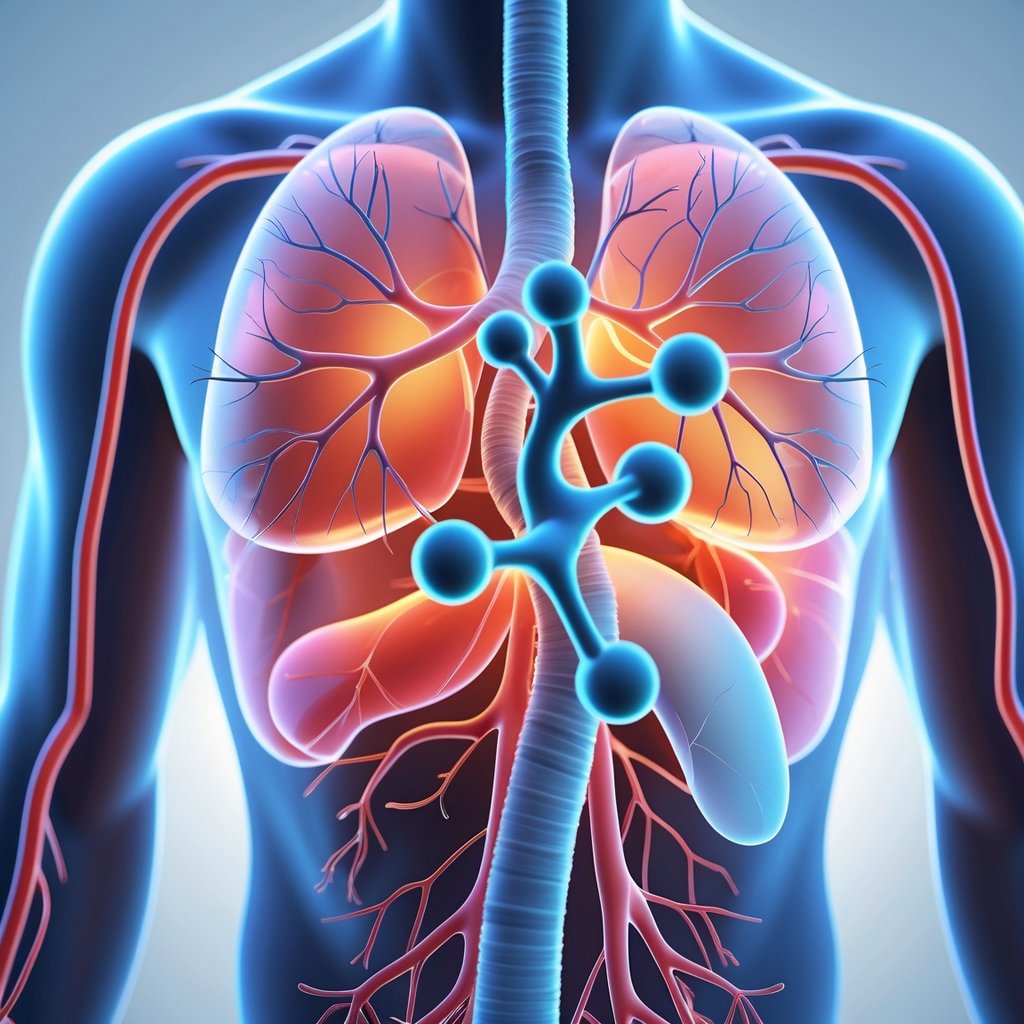
Atorvastatin blocks a liver enzyme to reduce cholesterol production. This lowers LDL and triglycerides while modestly raising HDL.
Beyond cholesterol reduction, atorvastatin reduces inflammation and helps stabilize arterial plaque.
Atorvastatin’s Role in Lowering Cholesterol
Atorvastatin is an HMG-CoA reductase inhibitor. This enzyme is central to cholesterol production in the liver.
By blocking this enzyme, the liver pulls cholesterol from the bloodstream to compensate, lowering circulating cholesterol.
Most cholesterol is produced overnight, but atorvastatin’s long action means it works effectively regardless of dosing time.
Healthcare providers monitor liver function during the first year to ensure safety.
Effects on LDL, HDL, and Triglycerides
Atorvastatin primarily targets LDL cholesterol (“bad” cholesterol). Lowering LDL reduces the material available for plaque buildup in arteries.
Triglyceride levels also decrease, further lowering cardiovascular risk.
The drug modestly raises HDL cholesterol (“good” cholesterol), which helps remove excess cholesterol from arteries.
Pleiotropic and Anti-Inflammatory Effects
Atorvastatin offers benefits beyond cholesterol lowering. It reduces inflammation in blood vessels and stabilizes existing plaque, making it less likely to rupture.
It can also help arteries dilate for better circulation.
Atorvastatin may slightly reduce platelet activity, but not enough to act as a blood thinner.
These combined effects explain why statins provide rapid benefits during acute heart events.
Differences Between Statins and Blood Thinners
Statins and blood thinners work through completely different mechanisms. Statins target cholesterol production, while blood thinners interfere with the clotting process.
Drug Class and Mechanisms
Statins block HMG-CoA reductase, lowering LDL cholesterol.
Blood thinners include:
- Anticoagulants (warfarin, apixaban, rivaroxaban): target clotting factors.
- Antiplatelets (clopidogrel, aspirin): prevent platelets from sticking together.
Statins reduce cholesterol at the cellular level. Blood thinners interrupt the formation of clots.
Atorvastatin is strictly a statin, not a blood thinner.
Primary Medical Uses
Statins are prescribed for high cholesterol and cardiovascular disease prevention.
Blood thinners are used to:
- Treat and prevent deep vein thrombosis, pulmonary embolism, and stroke (anticoagulants)
- Prevent clots in coronary artery disease or after stent placement (antiplatelets)
Statins focus on lipid management and long-term risk reduction. Blood thinners address acute clotting risks.
Many patients with cardiovascular disease take both medications.
Direct Effects on Blood Clotting
Blood thinners directly reduce the blood’s ability to clot. Anticoagulants extend clotting time; antiplatelets make it harder for platelets to aggregate.
Atorvastatin has minimal direct impact on clotting. Its effects on platelets and fibrinolysis are modest.
Bleeding risk is much higher with blood thinners. Statins rarely cause bleeding.
Monitoring differs: blood thinners require clotting tests, while statins require liver and muscle enzyme checks.
When Statins and Blood Thinners Are Used Together
Many patients need both statins and blood thinners to address cholesterol and clotting risks. This combination requires careful monitoring.
Treatment of Cardiovascular Disease
Doctors often prescribe statins with blood thinners for patients at risk for both arterial disease and blood clots. This is common after heart attacks, strokes, or procedures like stenting and bypass surgery.
Statins lower LDL and stabilize plaque, while blood thinners prevent clot formation.
Common combinations include:
- Anticoagulants: warfarin, rivaroxaban, apixaban, dabigatran
- Antiplatelets: aspirin, clopidogrel, ticagrelor
- Injectables: enoxaparin for short-term use
Patients with atrial fibrillation, mechanical valves, or history of clots often need both drug types.
Managing Drug Interactions
Statins can be taken with blood thinners, but require medical oversight. Some statins can increase warfarin levels, requiring more frequent INR checks.
Direct oral anticoagulants like Xarelto and Eliquis generally interact less with statins than warfarin does. Still, patients should watch for unusual bleeding or bruising.
Doctors may choose statins with lower interaction risk when prescribing alongside blood thinners and stagger new medications to monitor for side effects.
Atorvastatin: Approved Uses and Indications
Atorvastatin is FDA-approved for preventing cardiovascular events in at-risk adults and managing various cholesterol disorders. It is also used in children with inherited cholesterol conditions.
Reducing Heart Attack and Stroke Risk
Atorvastatin plays a crucial role in preventing serious cardiovascular events across various patient groups. The medication is approved for adults with multiple risk factors for coronary heart disease but without established disease, helping reduce the risk of myocardial infarction (heart attack), stroke, revascularization procedures, and angina.
For patients with type 2 diabetes and multiple heart disease risk factors, atorvastatin lowers the chances of heart attack and stroke. In adults with clinically evident coronary heart disease, it reduces the risk of both fatal and non-fatal heart attacks, strokes, revascularization procedures, hospitalization for congestive heart failure, and angina.
The drug prevents these events by lowering cholesterol and reducing fat buildup along artery walls. This keeps blood flowing more freely to vital organs like the heart and brain.
Treating High Cholesterol and Familial Hypercholesterolemia
Atorvastatin is used alongside diet to lower LDL cholesterol in adults with primary hyperlipidemia and high cholesterol. It is also approved for adults and children 10 years and older with heterozygous familial hypercholesterolemia (HeFH), an inherited condition affecting cholesterol removal.
For homozygous familial hypercholesterolemia (HoFH), atorvastatin works with other LDL-lowering therapies in both adults and children aged 10 and older. This severe form of familial hypercholesterolemia often requires combination treatments.
The starting dose for pediatric patients with HeFH is typically 10 mg once daily, ranging from 10 to 20 mg. For HoFH, the range extends from 10 to 80 mg daily, depending on response.
Other Medical Uses
Beyond standard cholesterol management, atorvastatin treats additional lipid disorders in adults. The medication is approved for primary dysbetalipoproteinemia, a condition involving abnormal cholesterol particle distribution.
Atorvastatin also addresses hypertriglyceridemia, reducing elevated triglyceride levels when combined with dietary changes. These uses target fat metabolism problems that don’t respond adequately to lifestyle changes alone.
Healthcare providers assess lipid levels as early as four weeks after starting treatment to determine if dosage adjustments are needed. The medication must be combined with a cholesterol-lowering diet for optimal results.
Safety Considerations and Side Effects
Atorvastatin carries potential side effects ranging from mild discomfort to rare but serious conditions. While most people tolerate this medication well, understanding the risks helps patients recognize when to seek medical attention.
Common Side Effects
Most people taking atorvastatin experience mild or no side effects. The most frequently reported issues include muscle and joint pain, headache, diarrhea, and cold-like symptoms such as nasal congestion and sore throat.
Digestive problems like constipation, gas, and heartburn can occur. Fatigue and pain in the extremities are also reported.
Atorvastatin can increase blood sugar levels, particularly in people with prediabetes or diabetes. The FDA has issued warnings about this risk, though the increase is usually small.
Some people report memory loss or mental confusion while taking statins. These neurological effects typically reverse after stopping the medication, though the connection remains debated.
Serious Risks and Warning Signs
Muscle damage is the most concerning risk with atorvastatin. About 5% of users develop muscle pain, weakness, or soreness beyond normal levels, a condition called myopathy.
In rare cases, statins cause rhabdomyolysis, a life-threatening condition where muscle tissue breaks down rapidly. This can lead to kidney failure and death if left untreated.
Another rare muscle condition, immune-mediated necrotizing myopathy, involves persistent muscle weakness that continues even after stopping the statin. This autoimmune reaction requires specialized treatment.
Contact your doctor immediately if you experience:
- Unexplained muscle pain, tenderness, or weakness
- Dark-colored urine
- Unusual fatigue
- Yellowing of skin or eyes
- Upper abdominal pain
- Loss of appetite
Liver damage occurs rarely with atorvastatin. The medication can elevate liver enzymes, signaling inflammation. Most cases involve mild increases, but severe liver problems can progress to liver failure without intervention.
Who Should Not Take Atorvastatin
Certain groups face higher risks with atorvastatin. People with active liver disease should avoid this medication, as it can worsen liver damage.
Pregnant women should not take atorvastatin because it may harm fetal development. Women who are breastfeeding should also avoid it, since the drug passes into breast milk.
Higher risk groups include:
- People taking multiple cholesterol medications
- Those on medications that interact with statins (certain antibiotics, antifungals, HIV protease inhibitors)
- Women, who show higher rates of side effects
- Adults over 80 years old
- Individuals with kidney disease
- People with hypothyroidism or neuromuscular conditions like ALS
- Those with smaller body frames
- Heavy alcohol drinkers
Side effects increase when atorvastatin combines with certain drugs. Gemfibrozil, amiodarone, and cyclosporine all raise the risk of muscle damage. Some antibiotics like clarithromycin and antifungals like itraconazole also interact dangerously with statins.
Grapefruit juice interferes with enzymes that break down atorvastatin, potentially increasing drug levels in your blood. Limit your intake and discuss appropriate amounts with your healthcare provider.
Interactions With Other Medications
Atorvastatin interacts with hundreds of drugs, ranging from minor concerns to serious complications. Understanding which medications pose the greatest risks is essential.
Medications That Increase Side Effect Risks
Certain drugs significantly elevate the risk of muscle damage when combined with atorvastatin. Gemfibrozil poses one of the highest risks and should generally be avoided.
Antifungal medications like itraconazole, ketoconazole, voriconazole, and posaconazole can boost atorvastatin concentrations to dangerous levels. These drugs interfere with how the liver processes atorvastatin.
Antibiotics such as clarithromycin and erythromycin slow down atorvastatin breakdown, raising the chance of muscle pain or rhabdomyolysis.
Colchicine, used for gout, creates a particularly problematic interaction. Taken with atorvastatin, it amplifies muscle toxicity risks. Fenofibrate and fenofibric acid raise similar concerns, though they are generally safer than gemfibrozil.
Niacin in high doses can also increase muscle-related side effects when combined with atorvastatin.
Drugs That May Require Dosage Changes
Rifampin reduces atorvastatin effectiveness by speeding up its breakdown in the liver. Patients taking rifampin may need higher statin doses or alternative therapies.
Birth control pills can interact with atorvastatin in both directions. Atorvastatin may slightly increase hormone levels from oral contraceptives, though this rarely causes problems.
Blood thinners like warfarin require careful attention. Atorvastatin can alter warfarin’s effects, necessitating more frequent blood tests to ensure proper dosing.
Cyclosporine, an immunosuppressant, increases atorvastatin levels substantially. Doctors typically prescribe lower statin doses for transplant patients taking cyclosporine.
Other Statins and Cholesterol Medications
Several statin medications work similarly to atorvastatin by blocking cholesterol production in the liver. Each statin varies in strength, dosing, and metabolism, though all share the same core mechanism for lowering LDL cholesterol.
Overview of Common Statins
The statin family includes multiple medications available in both brand-name and generic forms. Rosuvastatin (Crestor) ranks among the most potent statins and achieves significant LDL reductions at lower doses.
Simvastatin (Zocor) was one of the earlier statins to gain widespread use and remains commonly prescribed. Pravastatin (Pravachol) offers a milder option processed differently by the kidneys, making it suitable for certain patients.
Lovastatin (Mevacor) was the first statin approved in the United States in 1987. Generic atorvastatin provides the same active ingredient as brand-name Lipitor at a lower cost.
Atorvaliq is a liquid suspension form of atorvastatin for patients who have difficulty swallowing tablets. Other cholesterol medications include fibrates for triglycerides, PCSK9 inhibitors given by injection, and ezetimibe, which blocks cholesterol absorption in the intestines.
Comparing Atorvastatin With Alternatives
Atorvastatin and rosuvastatin are prescribed most frequently because they deliver stronger LDL-lowering effects than older statins. Atorvastatin typically costs less in its generic form compared to rosuvastatin.
Pravastatin and lovastatin offer more modest cholesterol reductions but tend to cause fewer drug interactions. Simvastatin falls in the middle for potency but carries more interaction risks at higher doses.
The choice between statins depends on how much you need to lower your cholesterol, what other medications you take, and your individual response to treatment. Doctors monitor cholesterol levels and adjust medication type or dose based on your results.
Some patients switch statins if they experience side effects with one but tolerate another well.