
Nurtec ODT is a popular medication for treating and preventing migraines. Many people wonder if it’s safe to drink alcohol while using it.
Both Nurtec and alcohol affect the body in ways that could interact. Here’s what actually happens when you mix the two.
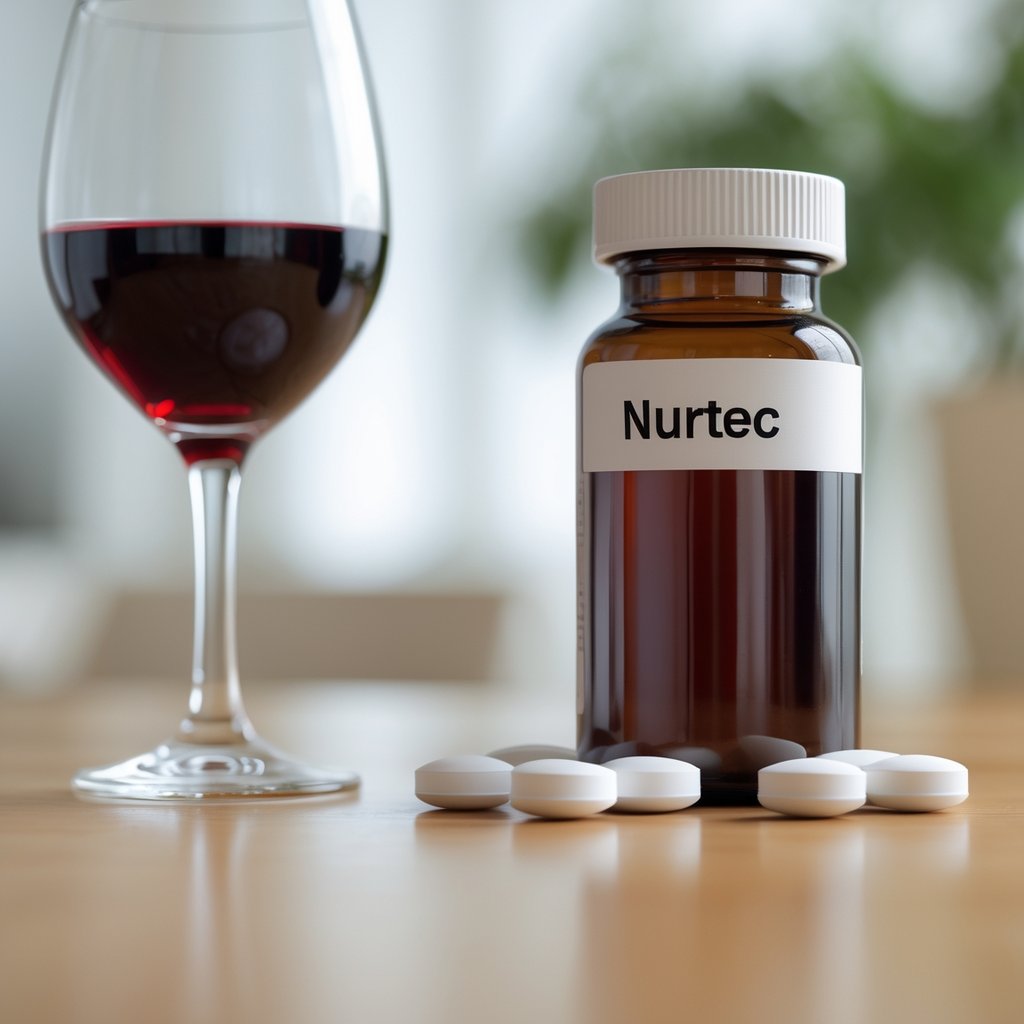
While Nurtec and alcohol don’t have a direct chemical interaction, most healthcare providers advise against mixing them. Alcohol can trigger migraines and worsen Nurtec side effects like nausea and stomach pain.
Some people may tolerate moderate drinking with their doctor’s approval. Others should avoid alcohol entirely, especially those with liver or kidney issues.
Understanding timing, dosage, and warning signs can help you manage migraines more safely. Here’s what you need to know.
Mixing Nurtec and Alcohol: What You Need to Know
Nurtec ODT (rimegepant) doesn’t directly interact with alcohol, but combining them can still cause problems. Alcohol may trigger migraines, amplify side effects, and put extra strain on your liver.
Can You Drink Alcohol While Taking Nurtec?
Drinking alcohol while taking Nurtec is generally not recommended. Most healthcare providers advise against it.
Alcohol is a known migraine trigger, which contradicts the purpose of taking rimegepant. The medication itself won’t chemically clash with alcohol, but that doesn’t make the combination safe.
Some doctors may approve moderate drinking for certain patients:
- Women: Up to one drink per day
- Men: Up to two drinks per day
Always consult your healthcare provider before drinking with Nurtec, especially if you have liver or kidney problems.
Why Alcohol and Nurtec May Not Mix
Alcohol can undermine Nurtec’s effectiveness by triggering migraines. Red wine is especially problematic due to histamines and tannins.
Sensitivity to alcohol varies. Some people develop migraines after a single drink, while others tolerate more.
Both Nurtec and alcohol are processed by the liver. While rimegepant hasn’t been linked to significant liver damage, adding alcohol increases the metabolic burden, especially if liver function is already compromised.
People with liver conditions may need reduced doses of Nurtec or should avoid it if drinking alcohol.
Immediate Risks of Combining Nurtec and Alcohol
The most common risk is worsened gastrointestinal symptoms. Alcohol irritates the stomach lining, amplifying Nurtec’s side effects.
Common intensified side effects:
- Nausea
- Stomach pain
- Indigestion
- Abdominal discomfort
Alcohol can also reduce Nurtec’s effectiveness, leading to breakthrough migraines. The combination may increase drowsiness and dizziness, impairing your ability to drive or operate machinery.
Some people report difficulty concentrating when mixing the two, though responses vary.
Potential Effects of Nurtec and Alcohol
Mixing Nurtec with alcohol can make the medication less effective, intensify side effects, and trigger migraines.
Decreased Effectiveness for Migraine Prevention
Alcohol undermines Nurtec’s ability to prevent migraines by triggering the very pathways the medication tries to block.
Red wine is a particularly problematic choice due to its histamines and tannins. Beer and champagne are also common triggers.
Effectiveness varies by individual. Some get migraines after one glass; others tolerate moderate amounts. The type and amount of alcohol, as well as personal sensitivity, all matter.
Increased Nurtec Side Effects
Nurtec’s most common side effects worsen with alcohol:
- Nausea intensifies as alcohol irritates the stomach lining.
- Stomach pain increases due to alcohol-induced inflammation.
- Indigestion is compounded by alcohol’s acidic effects.
Sugar in mixed drinks can add to stomach upset. The liver must process both substances, increasing the risk for those with liver problems.
How Alcohol Can Trigger Migraine Symptoms
Alcohol triggers migraines through dehydration and blood vessel dilation. This can rapidly lead to headaches in susceptible individuals.
Different alcohols carry different risks:
| Type | Risk Level | Why |
|---|---|---|
| Red wine | High | Histamines and tannins |
| Beer | Moderate-High | Tyramine and histamines |
| Clear spirits | Lower | Fewer congeners and additives |
Some people get migraines within hours of drinking; others, the next day. Tracking your responses can help identify triggers.
Health Considerations and Who Should Avoid Mixing
Certain groups face higher risks when combining Nurtec with alcohol. These include people with liver or kidney problems, pregnant or breastfeeding women, and the elderly.
Liver and Kidney Problems
The liver processes Nurtec. People with severe liver conditions like cirrhosis should avoid the medication or take reduced doses.
Alcohol compounds the problem by further taxing the liver. Those with moderate to severe liver impairment may have elevated rimegepant levels, increasing side effects.
End-stage renal disease (ESRD) also raises concerns. While Nurtec is mainly processed by the liver, the kidneys play a role in drug clearance. People with kidney disease should consult their doctor before using Nurtec.
Precautions:
- Avoid Nurtec if you have severe hepatic impairment
- Discuss dose adjustments for moderate liver problems
- Notify your provider if you have ESRD or are on dialysis
- Never combine alcohol with Nurtec if your liver or kidneys are compromised
Pregnancy and Breastfeeding
Pregnant women should use Nurtec cautiously, as data on fetal effects is limited. The manufacturer maintains a pregnancy registry for tracking outcomes.
Alcohol during pregnancy has well-known risks. Combining it with Nurtec adds uncertainty. Pregnant women should avoid both unless a provider determines the benefits outweigh the risks.
For breastfeeding mothers, small amounts of rimegepant and alcohol pass into breast milk. Effects on infants are unclear. Consult your provider about safer migraine options.
Elderly and Other High-Risk Groups
Older adults metabolize medications more slowly, so Nurtec stays in their system longer, raising the risk of side effects when combined with alcohol.
Elderly individuals often take multiple medications, increasing the risk of drug interactions. Alcohol can worsen dehydration and trigger migraines.
People on medications affecting CYP3A4 enzymes may need adjustments or should avoid alcohol to prevent interactions.
Timing, Dosage, and Best Practices for Nurtec Use
Understanding proper Nurtec dosing ensures safe use.
How Long to Wait Before Drinking After Nurtec
Wait at least 24 hours after taking Nurtec before drinking alcohol. This allows the medication to clear from your system and reduces compounded side effects.
Nurtec peaks in two hours and is processed over about 11 hours, but traces can linger. Waiting a full day is a safe buffer.
If using Nurtec for prevention (every other day), plan your drinking schedule accordingly.
Safe Dosage Schedules
The approved Nurtec dose is 75 mg per dose, no more than one dose in 24 hours. For acute treatment, up to 18 doses a month. For prevention, one 75 mg tablet every other day.
Acute Treatment:
- Take at first sign of migraine
- Max: 75 mg in 24 hours
- Up to 18 doses monthly
Prevention:
- Take every other day
- Max: 75 mg per dose
Never double up if you miss a dose. Resume your regular schedule.
Important Patient Instructions
Remove Nurtec from the blister pack only when ready to take it. The tablet degrades when exposed to air and moisture.
Place the tablet under or on top of your tongue; it dissolves in seconds without water.
Instructions:
- Store tablets in original packaging at room temperature
- Do not push tablets through foil
- Discard tablets stored outside the blister pack
- Seek emergency care if you take more than prescribed
Check your medication guide for drug interactions. Some medications require spacing Nurtec doses by 48 hours. Avoid use if you have severe liver or kidney impairment.
Contact your provider if you develop high blood pressure or cardiovascular symptoms after starting Nurtec.
Other Drug and Substance Interactions With Nurtec
Nurtec ODT interacts with 177 different drugs, from major to minor interactions. Prescription drugs, over-the-counter medications, herbal supplements, and certain foods can all affect how Nurtec works or increase side effect risks.
Prescription Drug Interactions
Certain prescription medications can alter Nurtec ODT levels by affecting CYP3A4 enzymes. Strong CYP3A4 inhibitors like clarithromycin, erythromycin, ketoconazole, itraconazole, and ritonavir (Norvir) slow Nurtec breakdown, raising drug levels and increasing side effect risks such as nausea and abdominal pain.
Major interactions also occur with antiseizure medications like carbamazepine (Tegretol), phenytoin (Dilantin), and cenobamate (Xcopri). These drugs speed up Nurtec breakdown, making it less effective.
Other notable prescription drug interactions include:
- Antibiotics: Clarithromycin, erythromycin
- Antifungals: Fluconazole, ketoconazole, itraconazole
- Heart medications: Verapamil (Verelan), quinidine, ranolazine, amiodarone (Pacerone, Nexterone)
- Immunosuppressants: Cyclosporine (Gengraf, Neoral)
- Antivirals: Paxlovid (nirmatrelvir/ritonavir)
Doctors usually avoid these combinations, but if necessary, they may adjust your Nurtec dosing schedule.
Over-the-Counter Medication Risks
Common OTC pain relievers like ibuprofen (Advil) and acetaminophen (Tylenol) are safe to take with Nurtec. No known interactions exist between these medications.
Excedrin Migraine (acetaminophen/aspirin/caffeine) is generally safe with Nurtec, except for people with severe liver conditions. Both drugs rely on the liver for breakdown, so combining them in the presence of liver disease could be dangerous.
Consult your pharmacist before combining Nurtec with any OTC medication. Even if a drug doesn’t interact with Nurtec, it might affect other medications or health conditions.
Herbal and Vitamin Interactions
St. John’s wort poses a significant interaction risk with Nurtec ODT. This herbal supplement acts as a CYP3A4 inducer, making your body break down Nurtec faster and reducing its effectiveness. Doctors recommend avoiding St. John’s wort while taking Nurtec.
No vitamin interactions with Nurtec have been reported so far. It’s still wise to check with your doctor or pharmacist before starting any vitamin regimen.
Keeping your healthcare team informed about all supplements helps them spot potential problems early.
Food and Lifestyle Factors
Grapefruit and grapefruit juice interact with Nurtec ODT. These contain compounds that inhibit CYP3A4 enzymes, slowing Nurtec breakdown and increasing drug levels.
You don’t need to eliminate grapefruit entirely, but avoid taking Nurtec within 48 hours of consuming grapefruit or its juice. For treatment doses, your doctor may switch you to every-other-day dosing; prevention doses already follow this schedule.
Cannabis and CBD products show no known interactions with Nurtec ODT. Still, discuss cannabis use with your doctor before combining it with prescription medication.
No other food interactions or lifestyle factors have been identified that affect Nurtec ODT’s performance.
Managing Side Effects and When to Seek Help
Combining Nurtec with alcohol can increase the likelihood and severity of certain side effects. Recognizing warning signs and knowing when to contact a healthcare provider is crucial for safe migraine management.
Common Side Effects With Alcohol Use
Alcohol amplifies several Nurtec side effects, especially those affecting digestion. Nausea is most common, and alcohol can make it worse.
Stomach pain and indigestion may also intensify, as alcohol increases stomach acid and Nurtec can cause abdominal discomfort. Drowsiness or dizziness may be more pronounced when both substances are combined.
The severity of these effects depends on the amount of alcohol, timing, individual sensitivity, and whether you’ve eaten.
If mild nausea or stomach discomfort occurs, bland foods and hydration can help. Persistent or worsening symptoms warrant stopping alcohol and contacting your healthcare provider.
Warning Signs of Serious Reactions
Certain symptoms require immediate medical attention. Allergic reactions to Nurtec can include difficulty breathing, facial swelling, severe rash, or tightness in the throat or chest.
Watch for signs of liver strain, especially if you have existing liver problems. These include unusual fatigue, dark urine, yellowing of the skin or eyes, or persistent upper right abdominal pain.
Severe or unusual headaches that differ from typical migraines may signal the medication isn’t working or that alcohol has triggered a different type of headache. Stop Nurtec and seek emergency care if any allergic reaction symptoms occur.
What to Tell Your Healthcare Provider
Before mixing Nurtec and alcohol, have an honest conversation with your healthcare provider. Share your drinking habits—frequency, quantity, and types of alcohol.
Mention any history of liver or kidney problems, as these organs process both alcohol and Nurtec. If you take other medications, especially Excedrin Migraine or pain relievers containing acetaminophen, disclose this information since combining acetaminophen with alcohol increases liver damage risk.
Tell your provider about:
- All medications and supplements you take
- Previous reactions to migraine medications
- Known alcohol triggers for your migraines
- Any side effects you’ve experienced with Nurtec
Your provider can then offer personalized guidance on whether moderate drinking is safe for you, or if you should avoid alcohol entirely while using Nurtec. They may suggest waiting two to three days after your last dose before consuming alcohol.
Conclusion and Safe Use Guidance
Avoid alcohol while taking Nurtec ODT. The medication can interact with alcohol, increasing side effects and reducing effectiveness.
If you choose to drink, discuss this with your healthcare provider first. They can assess your situation and provide guidance based on your medical history.
Key safety practices include:
- Take Nurtec exactly as prescribed by your doctor.
- Do not exceed one tablet per day for acute migraine treatment.
- Take one tablet every other day for migraine prevention.
- Limit or avoid alcohol during treatment.
- Monitor for increased side effects like nausea or dizziness.
The official patient information does not specifically prohibit alcohol, but medical sources warn about potential interactions.
Contact your healthcare provider immediately if you experience:
- Trouble breathing or rash after taking Nurtec
- Swelling of the face, mouth, tongue, or throat
- Significant increases in blood pressure
- Fingers or toes that feel numb, cool, or change color
Your doctor can determine whether occasional alcohol consumption is safe for you while taking Nurtec ODT. Open communication with healthcare providers is essential for safe and effective treatment.
Store Nurtec in its original blister packaging at room temperature between 68°F and 77°F.