Constipation affects millions, prompting many to reach for Miralax. When constipation becomes chronic, the question arises: is daily Miralax use safe?

The official guidance: don’t use Miralax for more than seven days without consulting a doctor. Still, some healthcare providers recommend longer-term use under supervision, leading to confusion about daily safety.
Let’s break down how Miralax works, what daily use means for your body, and the critical safety considerations.
Can You Take Miralax Every Day?
Miralax can be taken daily, but safety hinges on your health status and medical guidance. The label suggests seven days, but doctors may advise longer use for chronic constipation.
Who Should Consider Daily Miralax Use
Daily Miralax is relevant for those with persistent constipation—typically lasting over three weeks. It’s often recommended for people taking medications that cause constipation, such as opioids, certain antidepressants, or iron supplements.
Adults with mobility limitations or neurological conditions may also require daily support. Those with irritable bowel syndrome with constipation (IBS-C) sometimes benefit from consistent, gentle management.
Always consult a healthcare provider before daily use. Self-medicating beyond a week can mask underlying issues needing diagnosis.
What Medical Experts Recommend
Gastroenterologists generally approve daily Miralax when medically appropriate. Research indicates adults can use it safely for up to six months under supervision; children, up to two months.
The standard dose: 17 grams mixed into 4–8 ounces of liquid once daily, using the marked bottle cap for accuracy.
Doctors often prefer Miralax over stimulant laxatives for chronic constipation, as it doesn’t cause dependency or “lazy bowel.” Miralax draws water into the colon, softening stool naturally.
The seven-day warning exists to encourage medical evaluation of chronic symptoms, not because the medication becomes dangerous after a week.
How Long Is It Safe To Take Miralax
Without a doctor’s input, limit use to seven days. Under medical supervision, adults may use Miralax daily for up to six months if no serious conditions are present.
Medical conditions like kidney disease, liver problems, or heart failure require special assessment before daily laxative use.
Long-term use can pose risks:
- Electrolyte imbalances
- Increased bloating or cramping
- Reliance on laxatives for bowel movements
Schedule follow-ups if using Miralax beyond two weeks to reassess safety and effectiveness.
How Miralax Works
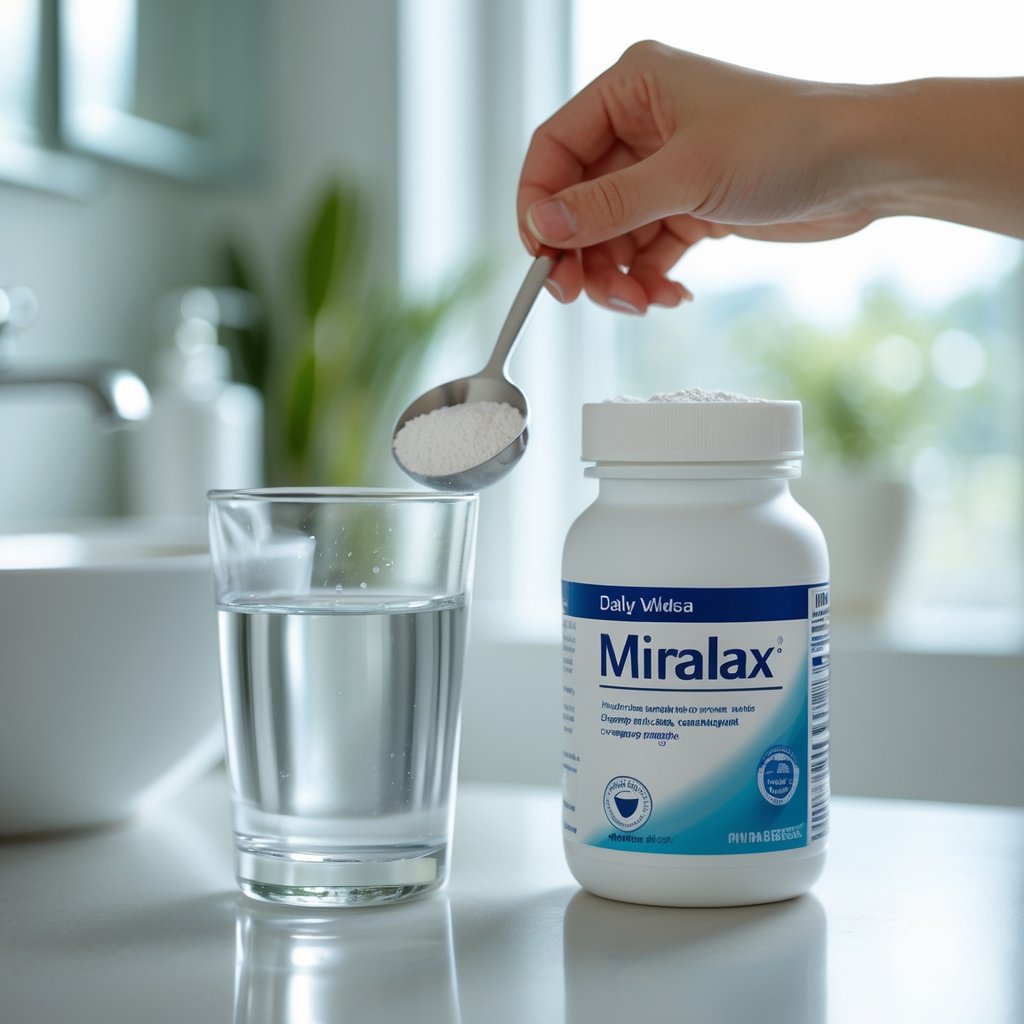
Miralax draws water into the intestines by osmotic pressure, softening stool for easier passage. Its active ingredient, polyethylene glycol 3350, isn’t absorbed into the bloodstream.
Osmotic Laxative Action
Osmotic laxatives like Miralax attract water into the colon, unlike stimulant laxatives that force muscle contractions.
Polyethylene glycol molecules create an osmotic gradient, pulling water into the bowel. This softens and increases stool volume, making passage easier.
The process is gentle and predictable, typically producing a bowel movement within 1–3 days. There’s less risk of cramping or sudden urgency compared to stimulant laxatives.
Key benefits:
- No direct muscle stimulation
- Gradual, natural relief
- Lower risk of cramping
- Consistent results
Active Ingredient: Polyethylene Glycol 3350
PEG 3350 is a polymer that passes through the digestive system unchanged. It binds water in the intestines, increasing stool moisture.
The “3350” refers to its molecular weight, giving it the right balance for dissolving and retaining water. Each 17-gram dose delivers enough PEG 3350 to be effective.
Benefits of Taking Miralax Every Day
Daily Miralax offers reliable relief for chronic constipation, fitting easily into daily routines.
Chronic Constipation Relief
Miralax’s osmotic action consistently softens stool for those whose constipation doesn’t respond to diet changes. Studies show adults can use it daily for up to six months under supervision.
Roughly 4 million Americans face regular constipation. For them, daily Miralax can help prevent discomfort and complications, offering a gentler alternative to stimulant laxatives.
Improved Bowel Regularity
Daily use helps establish predictable bowel habits. Miralax works gradually, with most people seeing results in 12–72 hours.
This predictability reduces anxiety and improves quality of life, especially for those whose constipation disrupts daily activities.
Easy Dosage and Use
Miralax’s powder dissolves fully in any beverage, hot or cold. The standard dose is 17 grams daily, measured by the bottle cap.
It can be mixed into coffee, tea, juice, water, or smoothies. Single-dose packets add convenience for travel or work.
There’s no need to time doses around meals—take it whenever fits your schedule.
Risks and Potential Side Effects
Miralax is generally well-tolerated, but side effects are possible, especially with extended daily use.
Common Side Effects
Typical reactions include:
- Loose or more frequent stools
- Bloating or abdominal discomfort
- Gas and mild cramping
- Nausea
These effects often resolve on their own. Some may experience increased thirst. Allergic reactions are rare but require immediate attention.
Electrolyte Imbalance Risks
Daily use can disrupt electrolyte levels, affecting sodium, potassium, and magnesium balance. These minerals are crucial for heart, muscle, and nerve function.
Warning signs include:
- Muscle weakness or cramps
- Irregular heartbeat
- Dizziness or confusion
- Persistent fatigue
Staying hydrated is essential to minimize risk.
Dependence and Masking Health Issues
While Miralax doesn’t cause physical dependency like stimulant laxatives, long-term use can mask underlying digestive problems.
Persistent constipation, changes in bowel habits, blood in stool, or unexplained weight loss require medical evaluation.
Safety Considerations for Special Groups
Certain populations need extra caution with Miralax.
Constipation in Children
Children can use Miralax daily for up to two months under medical supervision. Dosage is based on age and weight, and pediatricians adjust as needed.
Parents should monitor for diarrhea, cramping, or dehydration. Often, increasing water and fiber intake, plus regular bathroom routines, helps before turning to laxatives.
Pregnancy and Breastfeeding
Pregnant women should consult their doctor before daily Miralax use. While absorption is minimal, research on pregnancy is limited.
Lifestyle changes are usually the first recommendation. Breastfeeding mothers should also seek medical advice, as alternatives may be preferred in some cases.
Elderly Adults
Older adults face higher risks when taking MiraLAX daily. Age-related changes in kidney function can affect how the body processes medications and maintains electrolyte balance.
Dehydration is a particular concern for elderly patients. MiraLAX draws water into the colon, which can worsen dehydration in seniors who already struggle to maintain adequate fluid intake.
Medication interactions are more likely in this age group, as many seniors take multiple prescriptions. Some common medications, such as diuretics, can amplify the risk of electrolyte imbalances when combined with daily laxative use.
Pre-Existing Medical Conditions
People with certain health conditions should avoid MiraLAX or use it only under close medical supervision. Those with kidney disease cannot properly regulate electrolytes, making daily use particularly dangerous.
Heart conditions like congestive heart failure create additional concerns. Electrolyte imbalances from daily MiraLAX use can trigger dangerous heart rhythm problems or arrhythmias.
Anyone with cardiovascular disease needs clearance from their cardiologist. Liver problems also require caution since the liver helps maintain the body’s chemical balance.
Individuals with bowel obstruction must never take MiraLAX, as it can worsen the blockage and cause serious complications. People with irritable bowel syndrome may experience increased cramping and bloating.
Those with inflammatory bowel diseases like Crohn’s or ulcerative colitis need specialized treatment plans that address their underlying condition rather than relying on daily laxatives.
How to Use Miralax Safely
Using Miralax correctly means following proper dosing guidelines and recognizing when professional medical guidance becomes necessary.
Correct Dosage and Mixing
The standard adult dose of Miralax is 17 grams once daily. The bottle cap functions as a measuring device with a fill line to ensure accuracy.
Mix this measured dose into 4-8 ounces of any beverage—hot, cold, or room temperature all work equally well. The powder should dissolve completely before drinking.
Some people prefer mixing it into coffee or juice to mask any subtle taste, though Miralax itself is relatively flavorless. Stir thoroughly until no powder remains visible and drink the entire mixture to get the full dose.
Take it at the same time each day for consistency. Never exceed 17 grams in a 24-hour period unless specifically directed by a healthcare provider.
Taking more than the recommended amount doesn’t speed up results and increases the risk of side effects like cramping, bloating, and electrolyte imbalances.
Duration and Monitoring
The package label states you should use this over-the-counter laxative for up to seven days. However, research shows that daily Miralax can be safely used for up to six months in adults under medical supervision.
The seven-day guideline exists as a prompt to seek medical evaluation if constipation persists. Chronic constipation lasting beyond three weeks may signal underlying conditions that require diagnosis.
Track your bowel movements, noting frequency and any changes in symptoms while using daily Miralax. If you’re taking Miralax daily beyond two weeks, work with a healthcare provider who can monitor for potential complications.
When to Seek Medical Advice
Contact a doctor immediately if you experience severe abdominal pain, rectal bleeding, or no bowel movement after three days of using Miralax. These symptoms warrant urgent evaluation.
People with kidney disease, liver problems, or congestive heart failure need medical clearance before starting this medication. Pregnant or breastfeeding individuals should also consult their healthcare provider first.
Watch for signs of electrolyte imbalance during extended use, including irregular heartbeat, muscle weakness, confusion, or unusual fatigue. If over-the-counter options aren’t resolving your constipation, prescription alternatives may prove more effective.
Alternatives to Taking Miralax Every Day
Several other laxative options can relieve constipation without requiring daily Miralax use. These alternatives include bulk-forming agents, stimulant medications, stool softeners, and prescription treatments that work through different mechanisms.
Bulk-Forming Laxatives
Bulk-forming laxatives are the gentlest option for managing constipation. These products absorb water in the intestines, increasing stool size and stimulating natural bowel movements.
Metamucil contains psyllium fiber, while Citrucel uses methylcellulose. Both add bulk to stool without causing dependency.
These laxatives typically take 12 to 72 hours to work. Adequate fluid intake is essential to prevent choking or intestinal blockage.
Common bulk-forming options include:
- Psyllium (Metamucil, Konsyl)
- Methylcellulose (Citrucel)
- Wheat dextrin (Benefiber)
- Calcium polycarbophil (FiberCon)
Stimulant Laxatives
Stimulant laxatives trigger muscle contractions in the intestinal walls. Dulcolax (bisacodyl) and senna are the most common types in this category.
These medications work faster than bulk-forming laxatives, usually within 6 to 12 hours. Milk of Magnesia also functions as a mild stimulant while drawing water into the intestines.
Stimulant laxatives are not recommended for daily use. Long-term reliance can weaken natural bowel function and create dependency.
Stool Softeners
Stool softeners like Colace contain docusate sodium, which allows water and fats to penetrate stool. This makes bowel movements easier to pass without stimulating intestinal muscles.
These products typically take 12 to 72 hours to work. Stool softeners are particularly helpful after surgery or childbirth when straining should be avoided.
Docusate sodium doesn’t address the underlying causes of constipation. It simply makes existing stool softer.
Prescription Alternatives
Prescription medications offer targeted solutions when over-the-counter options fail. Lubiprostone increases fluid secretion in the intestines, while linaclotide accelerates intestinal transit and reduces pain.
These prescription treatments are FDA-approved for chronic idiopathic constipation and irritable bowel syndrome with constipation. They work through different mechanisms than Miralax and may be more effective for certain individuals.
Other prescription options include prucalopride, plecanatide, and lactulose. Your healthcare provider can determine which medication best suits your specific situation.
Key Takeaways for Daily Miralax Use
Daily Miralax use requires understanding safe practices, recognizing warning signs, and knowing natural alternatives.
Summary of Safe Practices
You can take Miralax every day for up to seven days without medical supervision. Beyond that timeframe, consult a healthcare provider to rule out underlying conditions.
The standard adult dose is 17 grams mixed into 8 ounces of liquid once daily. Use the bottle cap measuring line to ensure accuracy.
Under medical supervision, daily Miralax use can extend safely for up to six months in adults and two months in children. Certain conditions make daily use inadvisable:
- Kidney disease
- Liver problems
- Congestive heart failure
- Pregnancy or breastfeeding (consult your doctor first)
Chronic use without professional guidance risks delaying diagnosis of serious conditions like colorectal cancer, IBS, or bowel obstruction. Long-term use also increases the likelihood of electrolyte imbalances, which can trigger heart arrhythmias or seizures.
Signs You Should Stop Using Miralax
Stop taking Miralax and contact your doctor immediately if you experience severe side effects. Common symptoms like bloating, cramping, or nausea typically resolve quickly, but serious reactions require medical attention.
Watch for these warning signs:
- Severe abdominal pain or cramping that doesn’t improve
- Rectal bleeding or blood in stools
- No bowel movement after seven days of use
- Rapid heartbeat or chest palpitations
- Confusion or dizziness (possible electrolyte imbalance)
- Persistent nausea or vomiting
If constipation lasts longer than three weeks despite treatment, seek medical evaluation. This may indicate an underlying issue such as thyroid problems, diabetes, or diverticulitis.
Tips for Maintaining Regularity Without Laxatives
Natural approaches often resolve constipation without medication. Lifestyle modifications can be effective for many people.
Fiber intake should reach about 10 grams per meal. One medium avocado provides 10 grams, and half a cup of edamame delivers 9 grams.
Flax seeds, chia seeds, and prunes are concentrated fiber sources that can be added to meals easily.
Hydration is critical—water helps move waste through your digestive system. Aim for eight glasses daily, and increase intake if you exercise heavily.
Hot caffeinated beverages can stimulate bowel movements. Remember to drink extra water to offset caffeine’s diuretic effects.
Regular exercise improves gut motility. Even moderate activity shows positive effects.
If dietary changes aren’t enough, bulk-forming laxatives like Metamucil or Citrucel are safer for long-term use than osmotic laxatives. These fiber-based products work naturally and carry fewer side effect risks.